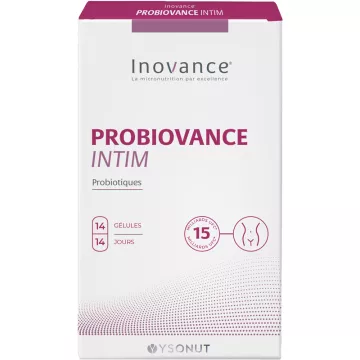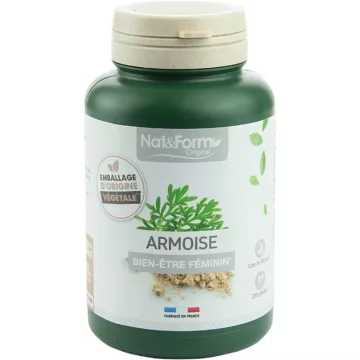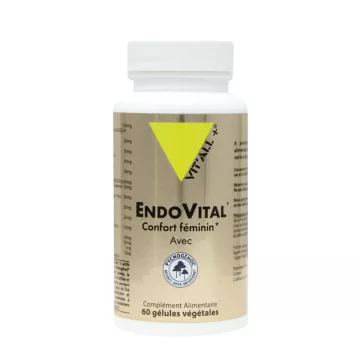
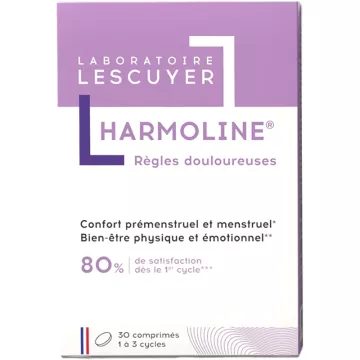
Women’s wellness refers to the range of practices, supplements, and care designed to improve women’s daily well-being at every stage of their reproductive lives. It encompasses intimate hygiene, menstrual pain management, hormonal balance, vaginal flora health, and sleep quality. Taking care of this overall well-being is essential for self-confidence and long-term women’s health.
Hormonal balance is the cornerstone of women’s well-being. Well-regulated hormones ensure a stable menstrual cycle, alleviate premenstrual syndrome symptoms, and maintain healthy skin and bones. An imbalance manifests as irritability, fatigue, and menstrual irregularities. Magnesium and vitamin B6—which are often deficient—support mood regulation and reduce premenstrual cramps.
Menstrual pain is one of the primary concerns regarding women’s well-being. A hot water bottle or heating pad placed on the lower abdomen quickly relieves cramps by relaxing the uterine muscles. Moderate physical activity—such as yoga or walking—reduces pain intensity through the release of endorphins. Omega-3s have a direct anti-inflammatory effect on the prostaglandins responsible for contractions. Meditation and mindfulness decrease the perception of pain by reducing the stress response.
Simple steps build lasting comfort. Wearing cotton underwear promotes ventilation and reduces irritation. Adequate hydration—about two liters of water per day—limits bloating and supports the vaginal lining. Avoiding scented soaps and vaginal douches helps preserve the vaginal flora and protective pH balance. Washing with lukewarm water and a mild, slightly acidic pH gel once or twice a day is sufficient to maintain the natural balance.
For women’s comfort, feminine hygiene products must meet specific criteria: paraben-free, alcohol-free, fragrance-free, and formulated with a slightly acidic pH (between 4 and 5). These characteristics preserve the protective lactobacilli flora and prevent allergic reactions. For menstrual protection, hypoallergenic pads or period underwear reduce the risk of chronic irritation. Natural ≠ hypoallergenic: always check the ingredients before using any product on the intimate area.
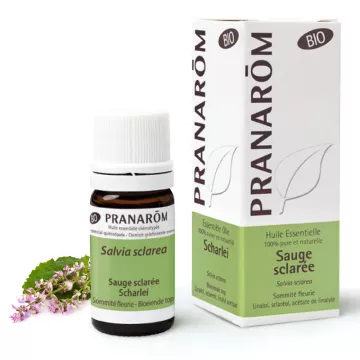
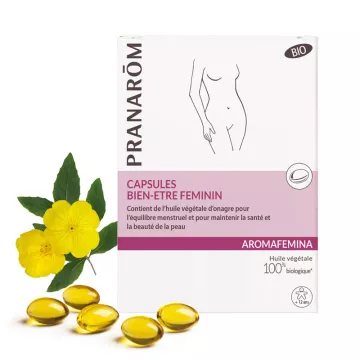
Several natural active ingredients help with prevention and maintenance. Magnesium and vitamin B6 are the go-to combination for alleviating premenstrual syndrome. Lactobacillus probiotics help maintain the balance of the vaginal flora. Chasteberry, recognized in herbal medicine for its progesterone-like action, regulates irregular cycles. Evening primrose, rich in gamma-linolenic acid, supports mucosal hydration and reduces premenstrual sensitivity. These supplements, taken as part of a regular regimen, provide comprehensive natural support.
Sleep quality is closely linked to women’s well-being. Insufficient sleep disrupts the hormonal balance, intensifies menstrual cramps, and leads to anxiety and irritability. Maintaining a regular schedule, creating a screen-free environment before bedtime, limiting caffeine, and practicing relaxation techniques significantly improve nighttime recovery. For women in perimenopause, nighttime hot flashes particularly disrupt this period of hormonal restoration.
Chronic stress is one of the main enemies of women’s well-being. It raises cortisol levels, disrupts menstrual cycles, and worsens period pain. It also weakens the vaginal flora by reducing the immunity of the mucous membrane. Managing stress through regular practices—such as yoga, cardiac coherence, and meditation—reduces its harmful effects on hormonal and intimate health and sustainably improves overall women’s well-being.