0
Menu

Vegan vs. Vegetarian: Differences, Key Nutrients, and Environmental Impact

Filter
Number of products : 11
Sort
Sort
Close
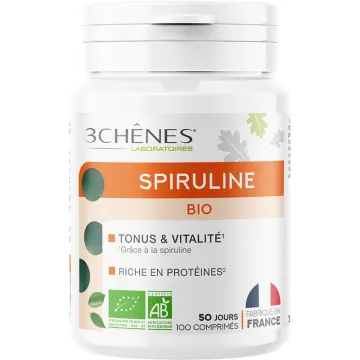
3Chênes Organic Spirulina, 100 tablets 3Chênes Organic Spirulina, 100 tablets
€10.69
Shipped within 24h
Listerine Naturals Vegan Gum Protection 500ml Listerine Naturals Vegan Gum Protection 500ml
€6.76
Shipped within 24h
Inovance Vita D3 Végétale 2000 UI Spray 20 ml Inovance Vita D3 Végétale 2000 UI Spray 20 ml
€19.90
Shipped within 24h
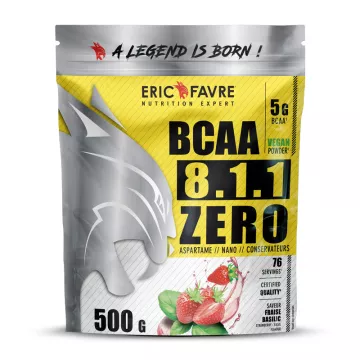
Eric Favre BCAA 8.1.1 Zero Vegan 500 g Eric Favre BCAA 8.1.1 Zero Vegan 500 g
Strawberry Kiwi +
€31.95
Add to cart
Shipped in 5 to 7 working days
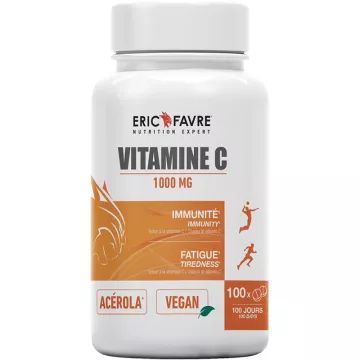
Vitamin C Vegan Eric Favre 100 tablets Vitamin C Vegan Eric Favre 100 tablets
€14.49
Shipped within 24h
Caudalie Vinotherapist Relipidant Vegan Body Butter 250 ml Caudalie Vinotherapist Relipidant Vegan Body Butter 250 ml
€16.90
Shipped within 24h
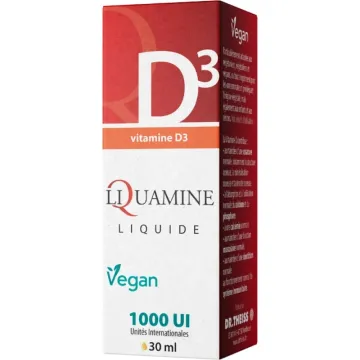
Liquamine Vitamin D3 1000UI Vegan Liquid 20 ml Liquamine Vitamin D3 1000UI Vegan Liquid 20 ml
€24.75
Usually ships within 5 to 7 working days
Léro Vegan Spirulina, 60 tablets Léro Vegan Spirulina, 60 tablets
€16.39
Ships in 5-7 business days
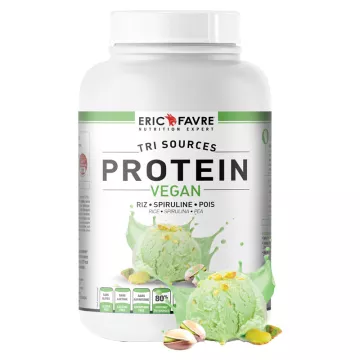
Eric Favre Protéine Vegan Tri-Sources Eric Favre Protéine Vegan Tri-Sources
Hazelnut chocolate 1,5 kg +
€66.99
Add to cart
Shipped in 10 to 15 working days

What is a vegan diet, and how does it differ from vegetarianism?

A vegan diet excludes all animal-derived products: meat, fish, seafood, dairy products, eggs, and honey. It differs from vegetarianism, which allows for some of these products depending on the specific type of vegetarian diet. This complete exclusion requires careful nutritional planning but also leads to a diet rich in fiber, phytonutrients, and antioxidants. Plants, legumes, whole grains, nuts, seeds, fruits, and vegetables form the foundation of this diet. Unlike vegetarianism, veganism is often also an ethical and environmental stance: it aims to reduce animal exploitation and the ecological footprint of food.

What are the critical nutrients in a vegan diet?

Several micronutrients require special attention:

  • Vitamin B12: Since it is absent from all plant foods, supplementation is mandatory and non-negotiable to prevent anemia and irreversible neurological disorders.
  • Omega-3 DHA/EPA: Flaxseeds, chia seeds, and nuts provide ALA, a precursor with a limited conversion rate. Algae-based supplements provide DHA directly.
  • Zinc: found in legumes and nuts, but less bioavailable than zinc from animal sources. Soaking and sprouting legumes improve its absorption.
  • Iodine: Scarce in plant foods except for seaweed. Iodized salt or a supplement easily meets this need.
  • Calcium: Green vegetables (broccoli, kale), calcium-fortified tofu, and enriched plant-based milks ensure an adequate intake.

An annual blood test (B12, iron, vitamin D, zinc) is essential to tailor supplementation to your individual needs.

How can you meet your protein and fiber needs?

Legumes (lentils, beans, chickpeas), soy (tofu, tempeh, edamame), and quinoa provide complete or nearly complete proteins. Spirulina is one of the few plant-based sources of complete protein and also provides iron and antioxidant pigments. Plant-based fiber is abundant in this diet: its fermentation by gut flora produces short-chain fatty acids that benefit the digestive lining and the immune system. A sufficient intake of soluble fiber (oats, psyllium, apples) and insoluble fiber (vegetables, whole grains) optimizes digestive health.

Is a vegan diet compatible with intense exercise?

Yes, provided that nutrient intake is carefully planned. Vegan athletes must meet higher energy needs (3,000 to 5,000 kcal/day depending on activity level) with nutrient-dense plant-based sources and consume 1.6 to 2 g of protein per kilogram of body weight per day. Probiotics can support gut health, which is challenged by intense physical exertion. Creatine, which is naturally absent from plant foods, has been shown through research to benefit vegan athletes when supplemented, helping them maintain performance during explosive efforts.

What are the environmental impacts of a plant-based diet?

The vegan diet has the most favorable environmental footprint of all diets studied to date. It reduces greenhouse gas emissions by 50 to 70 percent compared to an average omnivorous diet, consumes less water, and requires less agricultural land. Supporting local, organic, and seasonal food systems further enhances this positive impact. From an ethical standpoint, veganism addresses growing concerns about animal welfare and transparency in food supply chains.

How can you safely start a vegan diet?

A structured transition minimizes the risk of nutritional deficiencies:

  • Get a comprehensive health checkup before you begin.
  • Start by eliminating one type of animal product at a time rather than all at once.
  • Immediately start taking vitamin B12 supplements once you have completely eliminated animal products from your diet.
  • Consult a dietitian who specializes in pregnant women, children, and elite athletes.
  • Draw on community resources (organizations, vegan cookbooks) to diversify your recipes.