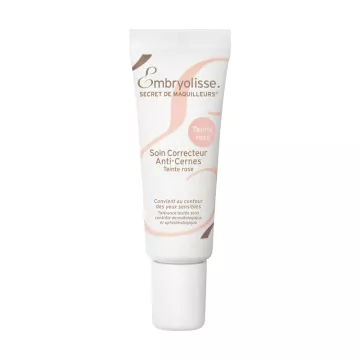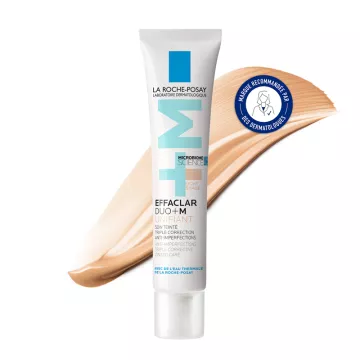
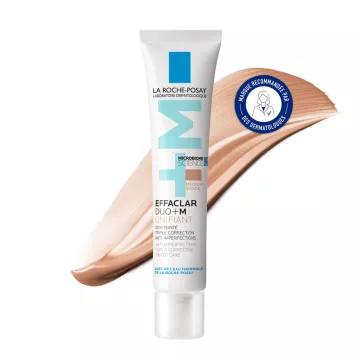

Concealer is a cosmetic product formulated to specifically conceal imperfections, dark circles, pigmentation spots, and redness. It differs from foundation in that it has a higher concentration of pigments and is applied selectively to specific areas rather than all over the face.
The right concealer is chosen based on three main criteria: skin type (dry, oily, combination, or sensitive), shade (the same as your foundation to conceal an imperfection, or lighter to brighten the under-eye area), and specific purpose (neutralizing redness, reducing bluish dark circles, or concealing a brown spot or pimple). Concealer and color corrector are complementary products rather than synonyms; choose between them based on your goal and the area you’re treating.
Concealer plays a complementary role to foundation in your makeup routine. When used properly, it reduces the need for full coverage and helps maintain a natural look.
Its usefulness lies in three key points. It specifically conceals imperfections that foundation alone cannot cover: dark circles, uneven pigmentation, small scars, and pimples. It brightens certain areas of the face through contrast, particularly the under-eye area, the chin, and the Cupid’s bow. It reduces the amount of foundation needed by targeting only the areas that need correction, which keeps the look lighter on the rest of the face. When blended well, it becomes a tool for contouring and finishing rather than just a simple concealer.
Applying it in light dabs is the golden rule. A concealer applied in a thick layer leaves visible marks on the face and accentuates expression lines.
For an invisible finish, apply the concealer with a precision brush, a damp sponge using a patting motion, or your fingertip, depending on the area and the product’s texture. Place a small amount directly on the area to be corrected, without spreading it. Blend the edges with light dabs, avoiding sweeping motions that can transfer the product elsewhere. Choose a shade that matches your skin tone precisely to avoid any visible lines between the concealer and your skin or foundation. Then set with a fine powder (translucent or very lightly tinted) to extend wear, especially around the eyes where the skin is more mobile.
A few common mistakes immediately compromise the finish and accentuate imperfections rather than concealing them. Identifying them improves the result.
Using too much product is the number one mistake: a thick layer leaves marks on the face, settles into fine lines, and creates a “light patch” effect. Choosing the wrong shade (too light or too dark compared to your skin tone and foundation) creates a visible line in daylight.Failing to blend properly leaves the edges of the concealer visible. Failing to moisturize before application results in a flaky appearance and accentuates fine lines around the eye area. Finally, forgetting to set the concealer with a fine powder on moving areas (the eye area, the sides of the nose) drastically shortens its wear time. The eye area deserves special attention, which should be complemented by a specific eye care product applied beforehand.
Sensitive skin often reacts poorly to certain common ingredients found in concealers. When selecting a product, be sure to read the INCI list carefully.
Opt for hypoallergenic, non-comedogenic concealers that are free of added fragrances and ethanol, and have a short ingredient list. Look for formulas enriched with soothing active ingredients: aloe vera, allantoin, panthenol, chamomile extracts, and low-concentration niacinamide. Choose comfortable, creamy textures that don’t irritate the skin upon application and blend easily with gentle pressure. Check the packaging for the labels “hypoallergenic ” and “dermatologically tested.” Perform a 48-hour patch test in the crook of the elbow before first use, especially if you have a known history of atopic skin conditions.
The shelf life of a concealer depends on its formulation and storage conditions. The PAO (Period After Opening) symbol on the packaging provides a guideline.
A concealer generally lasts 12 to 24 months after opening, depending on the manufacturer’s instructions (marked 12M, 18M, or 24M in the small open-jar symbol). Signs of deterioration to watch for: color change (oxidation, yellowing), change in texture (separation, clumping, thickening), unusual odor (rancid, fermented), loss of effectiveness, or difficulty spreading. Store away from light, heat, and moisture, and close the container tightly after each use. Avoid handling stick or jar concealers directly with unwashed fingers, as this accelerates bacterial contamination. A spoiled product must be discarded even if the PAO has not expired, as a safety precaution.
Although often used interchangeably in everyday language,concealer and under-eye corrector actually serve distinct purposes. Understanding this distinction helps you choose the right product for each area.
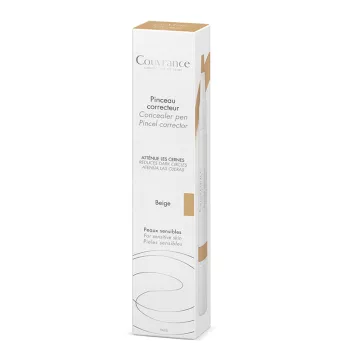
Concealer is specifically formulated for the eye area: it has a lighter, more fluid texture, is often enriched with anti-fatigue active ingredients (caffeine, peptides), and has a luminous finish to refresh the eyes. It is applied to specific areas under the eye and on the inner corner to minimize the appearance of hollows or blueish discoloration. Concealer, strictly speaking, has a denser, more pigmented texture designed to cover more noticeable imperfections across the entire face: pimples, dark spots, scars, and localized redness. In practice, many users have both: a luminous concealer for the eye area and a denser concealer for other corrections. The full selection is available in the makeup category.
The order of application in your routine affects the finish and longevity. A few simple rules will help you optimize the sequence.
Start with a solid skincare routine (cleansing, moisturizing, sun protection), followed by a suitable makeup primer. Depending on the school of thought, two approaches coexist. First approach: Apply foundation first, then use concealer to target any remaining imperfections that the foundation didn’t fully cover. This method minimizes product usage and preserves the natural color of the uncorrected areas. Second approach: Apply concealer first to very noticeable areas (deep dark circles, highly visible pimples), then blend it in before applying a thin layer of foundation on top. This method provides longer-lasting coverage. In both cases, set the treated areas with a fine powder and finish with a setting spray if needed.
Concealers come in several textures, each with its own recommended uses. The choice depends on your skin type, the area you’re concealing, and the desired effect.
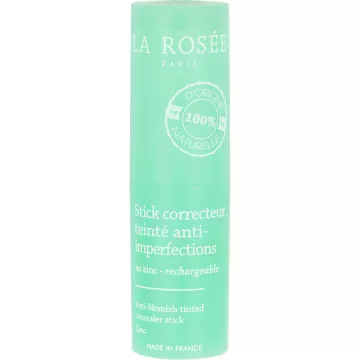
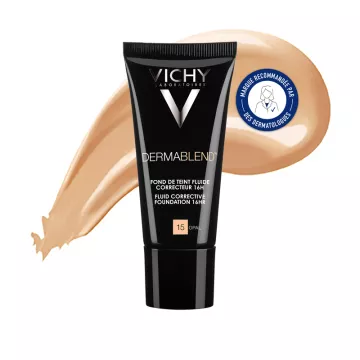
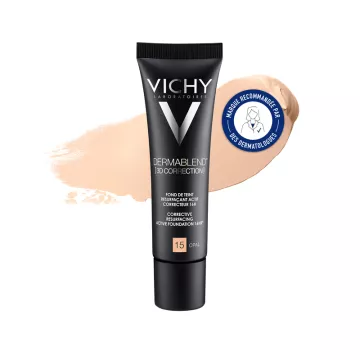
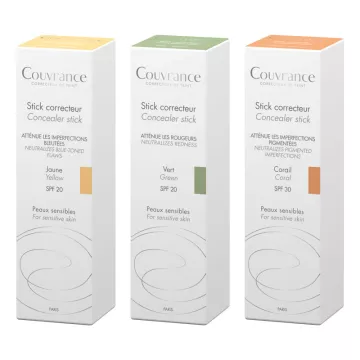
Liquid concealers are suitable for normal to combination skin and offer buildable coverage (light to medium) that’s easy to blend; they’re perfect for the under-eye area and subtle touch-ups. Cream concealers provide fuller coverage and moisturizing comfort, making them ideal for dry skin and more significant imperfections (dark spots, widespread redness). Stick concealers offer the most dense coverage, perfect for concealing distinct imperfections (pimples, small scars) or for on-the-go touch-ups throughout the day. Colored concealers (green to neutralize redness, peach to counteract bluish under-eye circles, mauve to brighten a dull complexion) are in a category of their own; they’re used as a pre-foundation corrector rather than as a finishing touch.
Yes, concealer can be used on other areas of the body to temporarily conceal visible imperfections. There are a few precautions to keep in mind when using it this way.
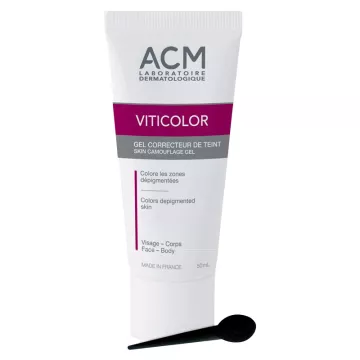
Concealer on the body can be used to cover scars, tattoos, visible veins, stretch marks, or localized spots for special occasions (ceremonies, photo shoots, professional settings). Choose a waterproof or long-wearing concealer to withstand sweat and friction from clothing. Opt for stick or cream formulas, which are more pigmented and longer-lasting than liquid versions. Always set generously with a fine powder to minimize transfer onto clothing. For longer-lasting coverage and regular use (such as covering a tattoo or a large scar), body-concealing products are available at pharmacies and are better suited for this purpose than standard facial concealers. Always remove makeup thoroughly from the area in the evening using a suitable cleanser to prevent clogged pores.
Choosing the right shade is probably more important than choosing the product itself. A poorly matched shade immediately creates a “stain-like” effect that’s visible in daylight.
Test the concealer along the jawline or at the top of the neck, where the skin is closest to the face. Check in natural light near a window—never under artificial lighting, which alters how the color appears. Depending on the use: for imperfections (pimples, spots, redness), choose a shade that matches your skin or is very slightly lighter. For dark circles under the eyes, opt for a shade half a shade lighter than your foundation, or a concealer with peachy/orange undertones to neutralize the bluish tint. For dark pigmentation spots, a lighter concealer applied in very thin layers works better than a highly pigmented concealer applied in a single stroke. Ideally, keep two shades (summer and winter) on hand to adapt to seasonal changes in skin tone.