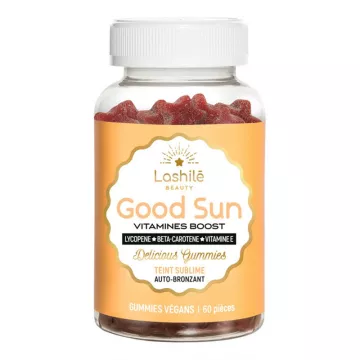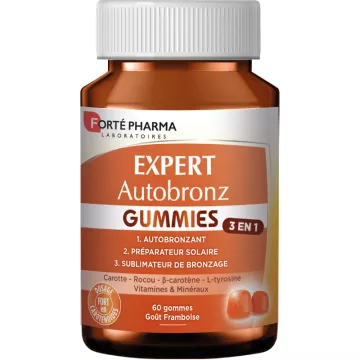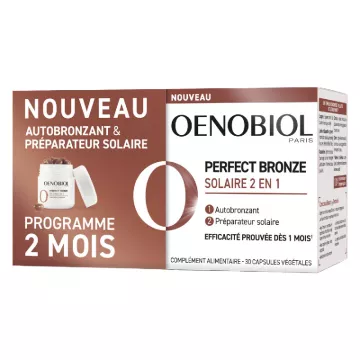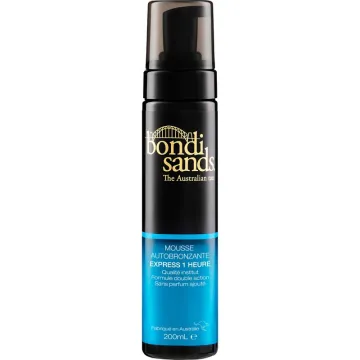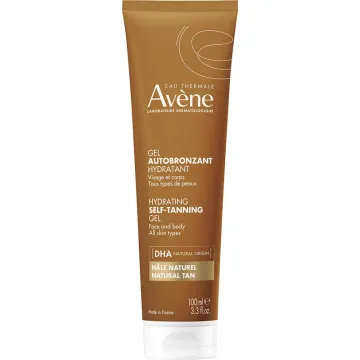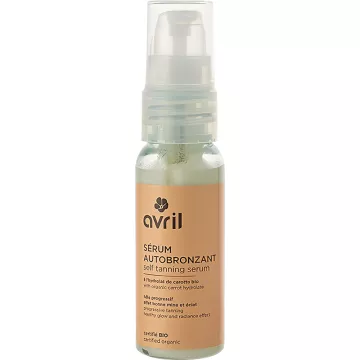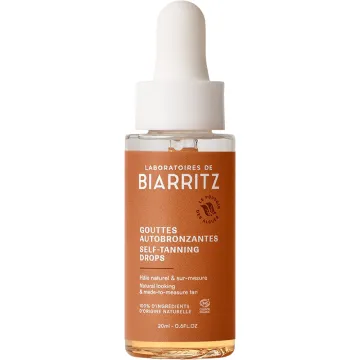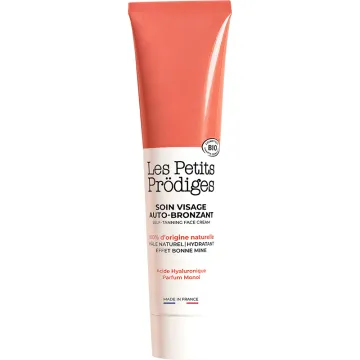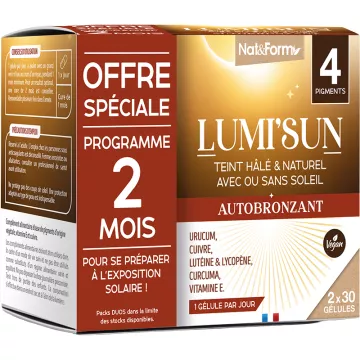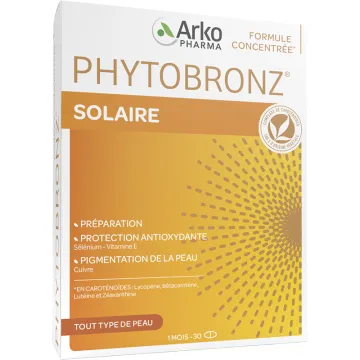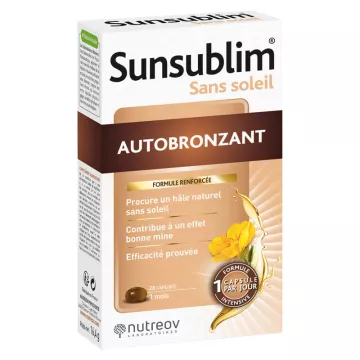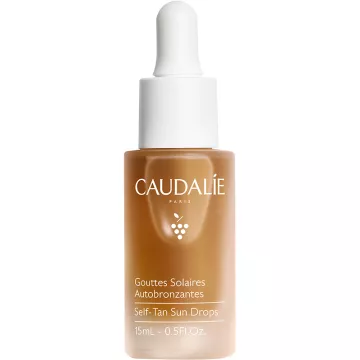
A self-tanner is a cosmetic product designed to give the skin a tanned appearance without exposure to the sun's UV rays. It typically contains dihydroxyacetone (DHA), an active ingredient that reacts with dead cells on the skin's surface to produce a temporary color change. This reaction creates a tan that lasts several days before gradually fading as part of the skin’s natural cell renewal process.
Proper skin preparation directly affects the quality of the final result.
Start by exfoliating your skin to remove dead skin cells and ensure a perfectly even application.
Pay special attention to the roughest areas (knees, elbows, ankles, heels), which tend to retain more product and create darker spots.
Next, moisturize dry areas several hours before application to minimize uneven absorption; to prepare your skin even better, check out our sun preparation products.
For even coverage, use circular motions, working your way up from the legs toward the torso.
Use a dedicated application glove to avoid staining the palms of your hands, which is particularly noticeable and difficult to correct.
On your face, mix your self-tanner with a small amount of moisturizer for a more natural and gradual finish.
Carefully blend the transition areas (ankles, wrists, neck, and around the face) to avoid any visible lines.
Wait at least 4 to 8 hours after applying your self-tanner before taking a shower.
This allows the DHA to fully react with the skin’s surface cells and develop its full intensity.
During this time, avoid any intense physical activity that causes sweating, as well as tight clothing that could leave marks on the skin while it’s still fresh.
Also avoid harsh soaps or exfoliants so as not to prematurely alter the development of the tan.
To keep your tan looking fresh for a long time, moisturize your skin daily with a nourishing lotion or a suitable body milk.
Avoid mechanical and chemical exfoliation, which significantly accelerates the fading of the tan by removing tanned skin cells.
Opt for short, lukewarm showers rather than long, hot baths, which dry out the skin and shorten the life of your tan.
Staying well-hydrated from the inside (water, herbal teas) also helps preserve the suppleness and radiance of tanned skin.
Self-tanning offers several key advantages over UV-induced tanning.
It offers a quick and safe way to achieve a tan without the risks associated with UV exposure: premature aging, pigmentation spots, and skin cancers.
It allows you to precisely controlthe intensity and evenness of your tan, unlike the unpredictable variations that come with sun exposure.
It can be used year-round and provides a tanned complexion even in winter or for skin that is sensitive to the sun.
It is perfectly possible to use a self-tanner on the face, provided you choose a formula suitable for this more sensitive area.
There are now products specifically developed for facial skin, which is thinner and more sensitive than the skin on the rest of the body.
For a natural, gradual effect, mix a few drops of self-tanner into your daily moisturizer, starting with a low concentration.
Avoid areas with hair (eyebrows, around the mouth) and wash your hands thoroughly after application.
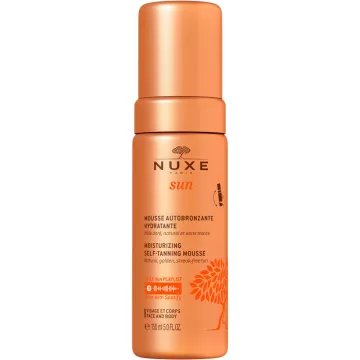
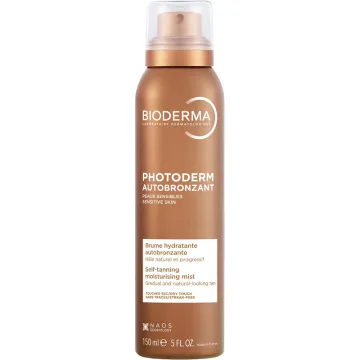
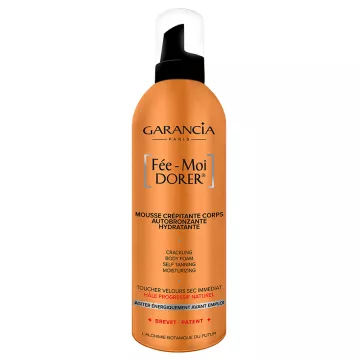
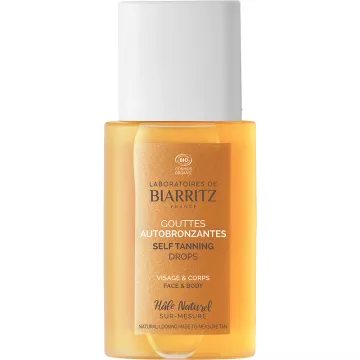
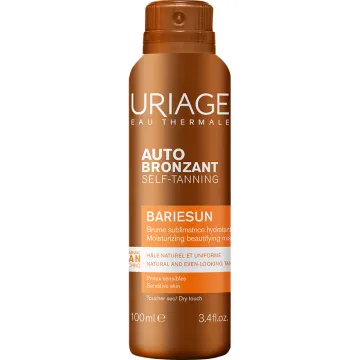
Several different formulations ofself-tanners are available, each designed for specific uses and preferences:
Each formulation has its own benefits; the choice depends on your skin type, how easily you want it to apply, andthe intensity of the tan you’re looking for. For a complete selection, browse our self-tanning section.
Yes, it’s possible to apply self-tanner to acne-prone or sensitive skin as long as you take a few essential precautions.
Opt for oil-free, non-comedogenic, and dermatologically tested formulas to minimize the risk of clogged pores and worsening skin imperfections.
Always perform a patch test on a small area (the crook of the elbow) 24 to 48 hours before full application to check for any allergic reactions.
Some self-tanners contain soothing ingredients specifically formulated for reactive skin; if you have moderate to severe acne, consult a dermatologist.
Streaks, spots, or uneven color: don’t panic—there are several gentle solutions to fix a botched application.
Use a gentle body scrub on the most affected areas to gradually blur the lines, applying gentle pressure.
For targeted corrections, a damp washcloth or a two-phase makeup remover applied with a cotton pad can help reduce localized spots without irritating the skin.
Avoid harsh solutions like pure alcohol or lemon juice on sensitive skin, as they can cause irritation and photosensitivity; ask your pharmacist for advice if necessary.
To even out your skin tone, you can also apply a thin layer of self-tanner only to the lighter areas.
Hands and feet often give away a careless application of self-tanner due to excessive coloring.
To avoid this pitfall:
Wait until your self-tanner is completely dry and has developed before applying sunscreen—usually at least 4 to 8 hours.
Applying sunscreen is still essential even on self-tanned skin: the color from DHA offers no protection against UV rays.
Choose a broad-spectrum sunscreen with an SPF of at least 30, ideally 50 for fair skin or prolonged sun exposure; explore our high-protection SPF 50 selection.
Reapply sunscreen every two hours and after swimming, just as you would with any regular sun exposure.