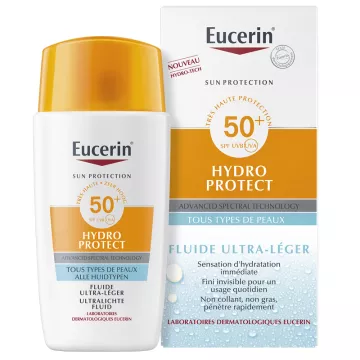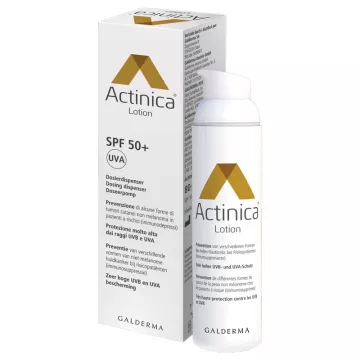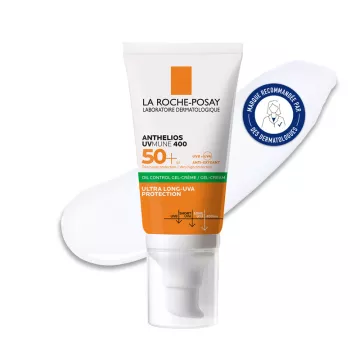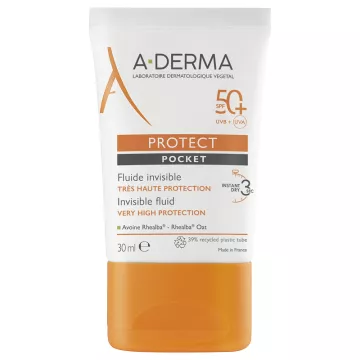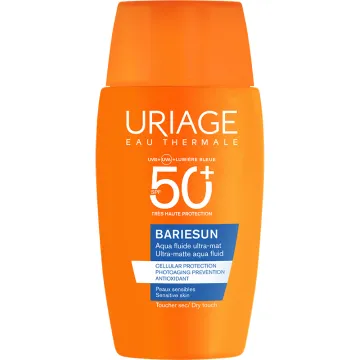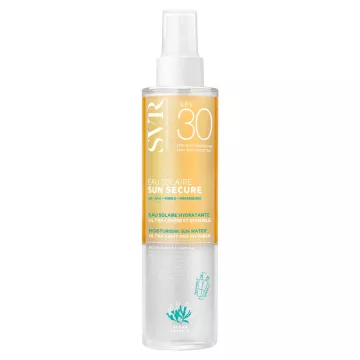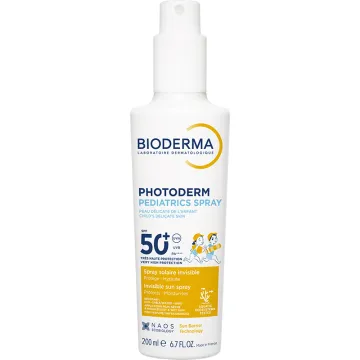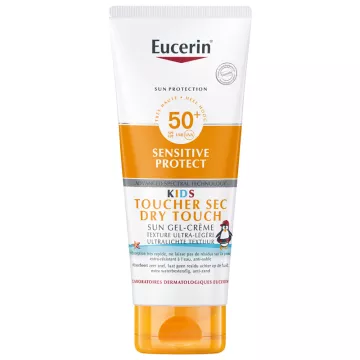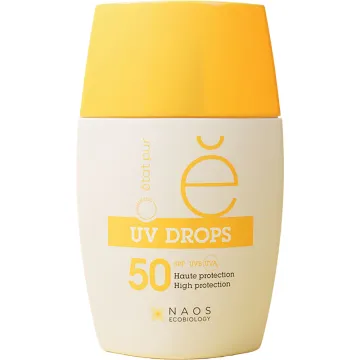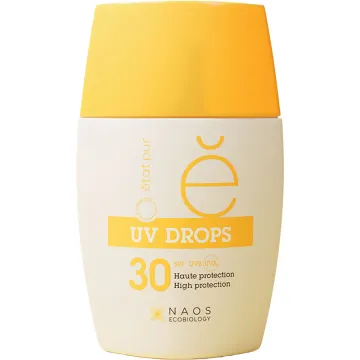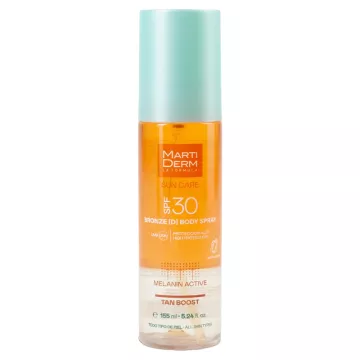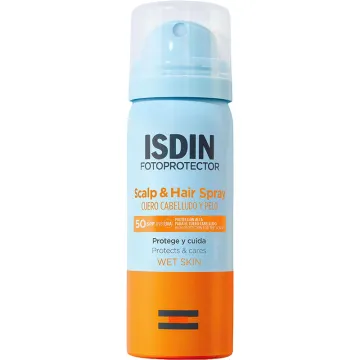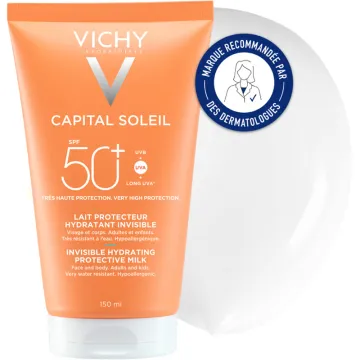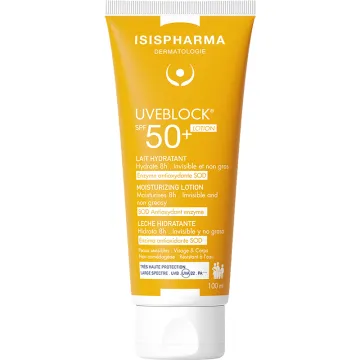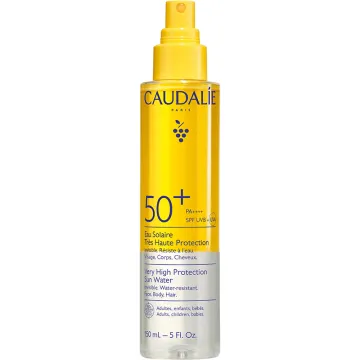
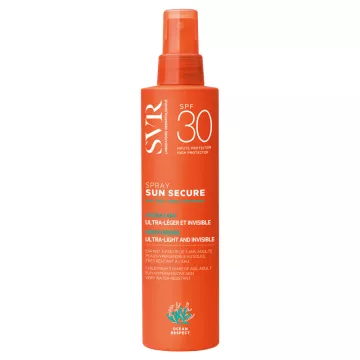
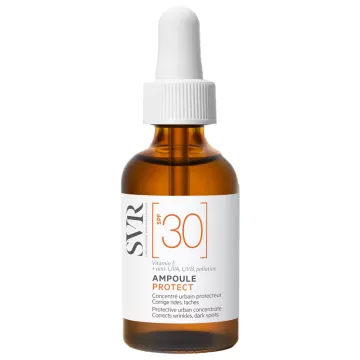
UV protection refers to all methods and materials designed to protect the skin and eyes from the sun’s ultraviolet rays.
These rays are primarily divided into UVA (photoaging, sun allergies, and a contributing factor to skin cancer) and UVB (sunburn and skin cancers).
Effective UV protection is now considered by dermatologists to be one of the most important preventive health measures: photoaging, pigment spots, eye damage, melanoma, and carcinomas.
It relies on a combination of measures: sunscreen, clothing, hats, sunglasses, and avoiding sun exposure during peak hours.
UV protection products work through three main mechanisms: absorption, reflection, or scattering of ultraviolet rays.
Organic filters (sometimes called “chemical” filters) absorb UV rays and convert them into a tiny amount of heat; they are authorized and regulated by European Regulation 1223/2009.
Mineral filters, such aszinc oxide and titanium dioxide, form a physical barrier that reflects or scatters UV rays—making them particularly suitable for sensitive skin.
UV-protective clothing is made from tightly woven fabrics, sometimes treated, whose very structure blocks UV radiation.
Choosing good UV protection depends on several cumulative criteria:
For effective UV protection, apply sunscreen generously and evenly to all exposed areas.
Apply 15 to 30 minutes before sun exposure for chemical sunscreens; mineral sunscreens provide protection immediately upon application.
Recommended amount: approximately 2 mg/cm², or 30 ml (2 tablespoons) for the entire adult body, and about 1 teaspoon for the face. The actual amount applied by most users is generally 2 to 4 times less: be generous.
Reapply every 2 hours and always after swimming, sweating, or drying off. Don’t forget the areas often overlooked: ears, nape of the neck, neck, backs of the hands, tops of the feet, and eyelids.
Clothing provides particularly effective UV protection and complements sunscreen.
Certified clothing is labeled with a UPF (Ultraviolet Protection Factor); a UPF 50+ blocks more than 98% of UV rays.
Opt for close-fitting, covering clothing: UV-protective T-shirts for swimming, long-sleeved shirts, long pants, and wide-brimmed hats (4–7 cm).
A wet white T-shirt made of fine cotton offers only minimal protection (equivalent to SPF 5 to 10): for extended activities in the sun, opt for certified UV-protective clothing.
UV protection for the eyes is essential for preventing several eye conditions.
Choose sunglasses that block 99 to 100% of UVA and UVB rays: look for “100% UV” or “UV 400” on the lenses; the CE mark is mandatory in the European Union.
Protection categories: Category 3 for general summer use; Category 4 is recommended in high mountains, on glaciers, at sea, or in the desert (very strong glare).
Wrap-around styles protect against side glare; for children, properly fitted sunglasses with a strap are particularly important from their very first exposure to sunlight.
A fabric’s UV protection effectiveness is measured by the UPF (Ultraviolet Protection Factor) according to standards EN 13758-1 and 13758-2.
An UPF of 15–24 = good protection, 25–39 = very good, 40–50+ = excellent protection (equivalent to SPF 50+).
Several factors influence effectiveness: fabric density, fiber type (polyester > cotton), color (dark > light), moisture (a wet fabric offers less protection), stretching, and condition (worn fabric).
For extended outdoor activities, choose fabrics that are specifically certified as UV-protective.
Since children’s skin and eyes are thinner and more sensitive, their UV protection must be enhanced.
Infants under 6 months: no direct exposure to the sun; sunscreens are not always suitable for this age group—consult a pediatrician first.
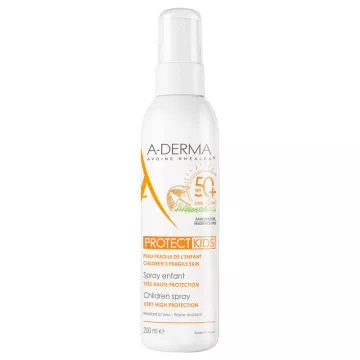
For older children: pediatric sunscreen with SPF 50, UV-protective clothing, a wide-brimmed hat, and appropriate sunglasses.
Strictly limit sun exposure between noon and 4 p.m. in the summer (French guideline); reapply sunscreen every 2 hours and after each swim.
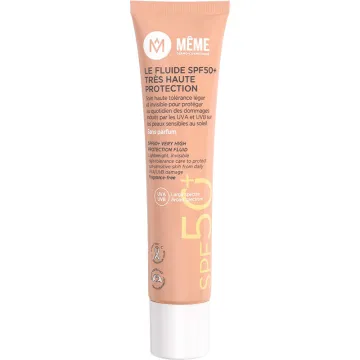
Some makeup products (BB creams, foundations, powders) contain UV protection, but they should never replace a dedicated sunscreen.
The actual amount of foundation or BB cream applied is generally 1/4 to 1/2 of the amount needed to achieve the claimed SPF: the final level of protection is therefore significantly lower than the indicated SPF.
For effective protection: first apply a dedicated sunscreen (SPF 30 or higher), let it absorb, then apply your makeup over it.
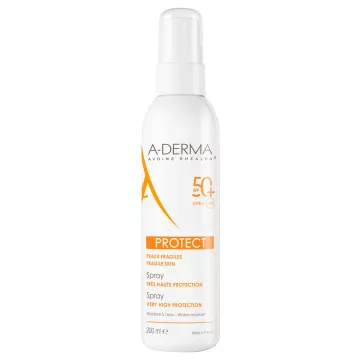
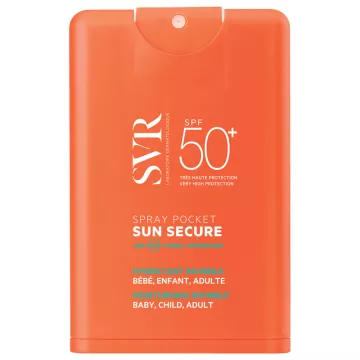
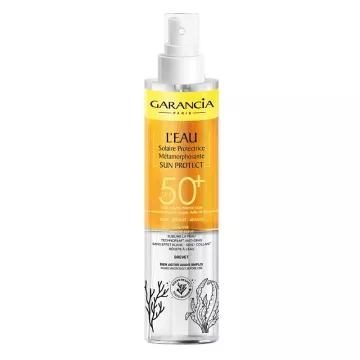
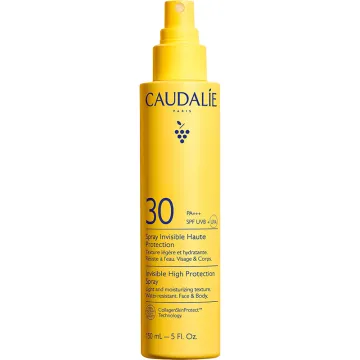
For touch-ups throughout the day, a compact sunscreen powder or an SPF spray allows you to replenish protection without removing your makeup.
Insufficient protection against UV exposure leads to several types of skin and eye risks:
The International Agency for Research on Cancer (IARC, WHO) classifies UV radiation from tanning beds as a definite human carcinogen (Group 1); ANSM/INCa strongly advise against their use.
Regular dermatological screenings are recommended for people with fair skin, a personal or family history of skin cancer, or numerous moles.
UV protection is considered one of the most effective anti-aging measures documented today.
Repeated exposure to UV rays accelerates the breakdown of collagen and elastin fibers, which maintain the skin’s firmness and elasticity.
UVA rays, which are present year-round (even on cloudy days or through windows), are particularly involved in photoaging: pigmented spots (solar lentigines), wrinkles, and telangiectasias.
Daily application of broad-spectrum sunscreen—even in winter and even indoors near a window—visibly supports skin firmness over time.