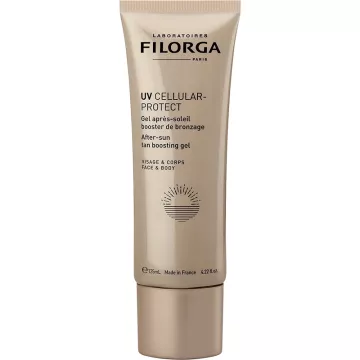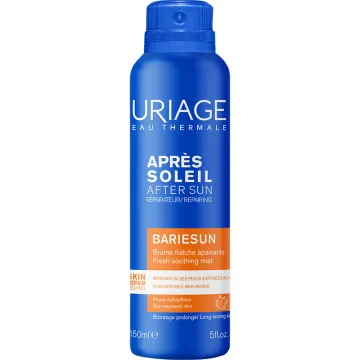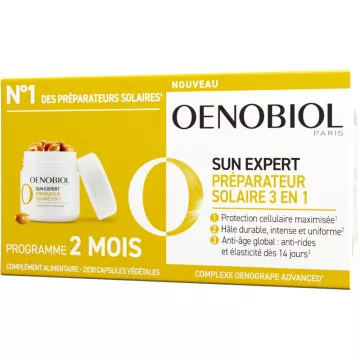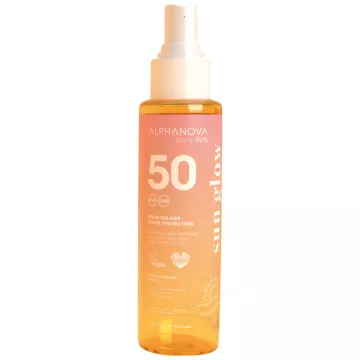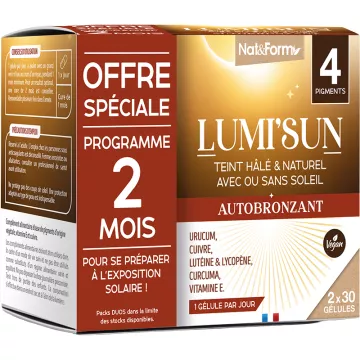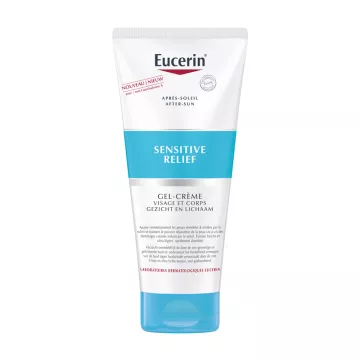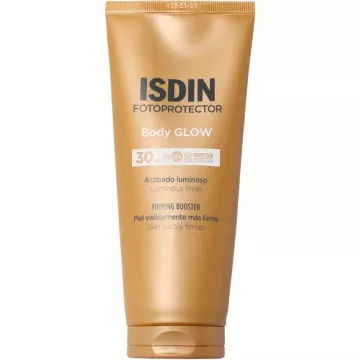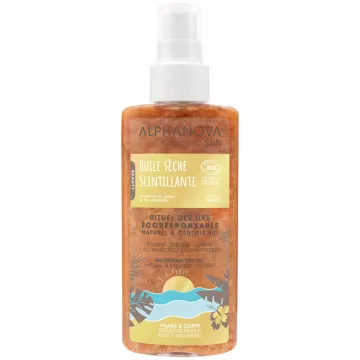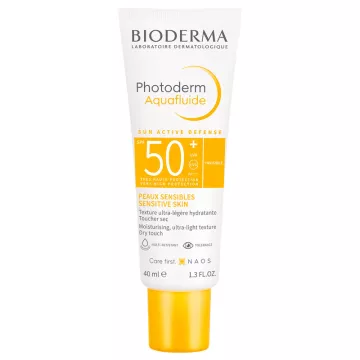
Tanning is the natural process by which the skin darkens as a result of exposure to the sun’s ultraviolet rays.
This phenomenon occurs when UV rays stimulate the production of melanin, the pigment that determines skin color.
Melanin acts as a partial biological defense against UV rays, but it is by no means a substitute for proper sunscreen (its natural protection is equivalent to only about SPF 3–4).
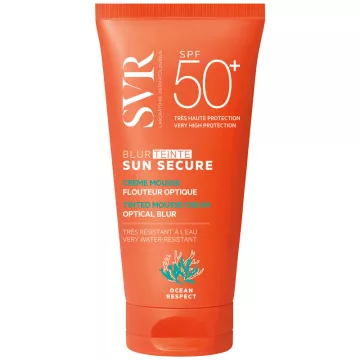
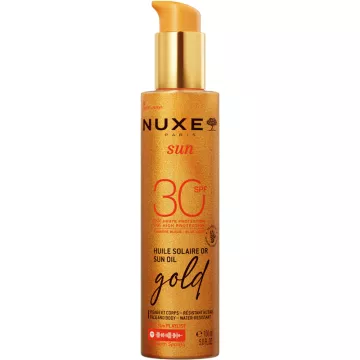
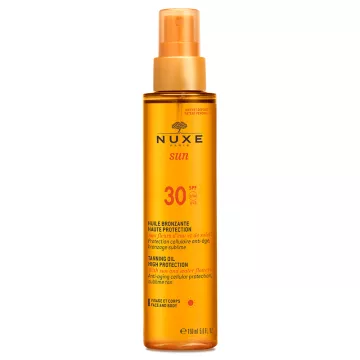
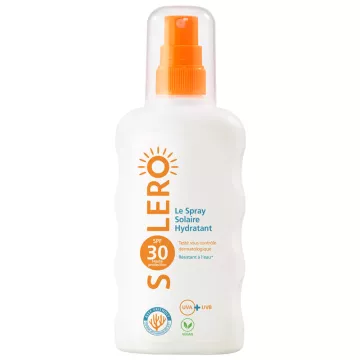
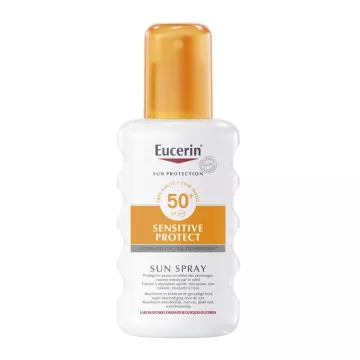
To protect your skin during any sun exposure, browse our sunscreen section.
There are two main categories of tanning:
Natural tanning results from direct exposure to the sun and triggers the gradual production of skin melanin.
Artificial tanning is achieved through alternative methods: DHA-based self-tanners, spray tanning booths, or, in the past, tanning beds.
Note: Tanning beds (UV cabins) have been classified as definite carcinogens (Group 1) by the International Agency for Research on Cancer (IARC) since 2009. Their use is strongly discouraged and prohibited for minors in France.
Tanning has some advantages, but these must be weighed against the risks.
It improves the skin’s appearance by giving it a golden glow and a healthy, radiant look.
Moderate exposure to UVB rays contributes to the skin’s synthesis of vitamin D, which is essential for bone health and the immune system.
Important to know: 10 to 15 minutes of daily exposure of the face and forearms is more than enough to meet your vitamin D needs; prolonged exposure is neither necessary nor recommended.
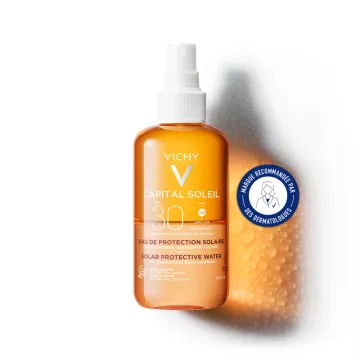
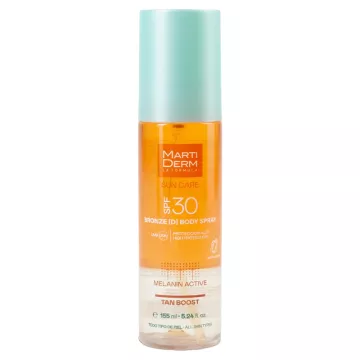
To tan responsibly, choose a high-SPF sunscreen suited to your skin type.
For an even and long-lasting tan, follow these essential guidelines:
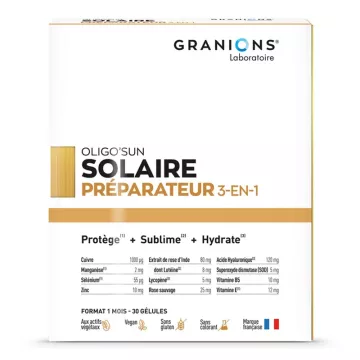
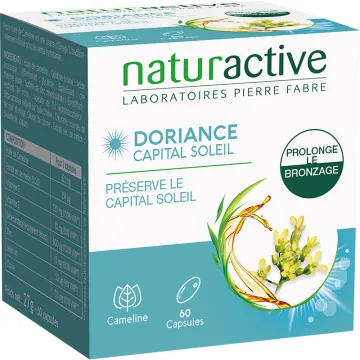
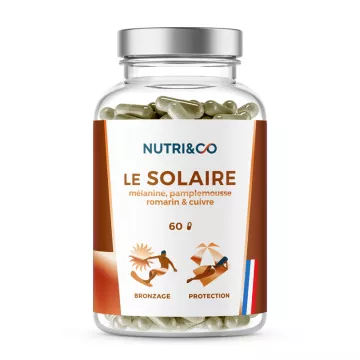
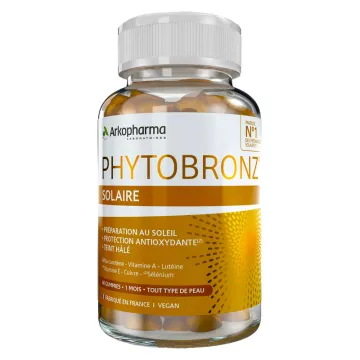
Starting a sun preparation routine two to three weeks before sun exposure helps your skin get ready to tan under the best conditions.
Tanning is never harmless to the skin and poses several documented cumulative risks:
Sunburn is a superficial—and sometimes deep—skin burn that damages the protective barrier and leaves the skin vulnerable for weeks afterward.
Repeated exposure causes visible photoaging of the skin: wrinkles, age spots, loss of elasticity, and uneven texture.
In the long term, UV rays damage the DNA of skin cells and significantly increase the risk of skin cancer (consensus of the WHO, IARC, and INCa).
Always practice responsible sun exposure to reduce these cumulative risks.
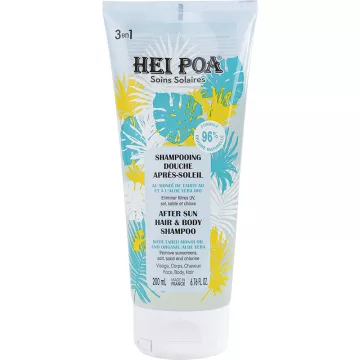
To keep your tan for the long term, follow these daily steps:
Sunscreen and sun cream are two types of sun protection that work differently.
Mineral-based sunscreen (zinc oxide, titanium dioxide) creates a physical barrier that reflects UV rays at the skin’s surface.
Sun cream with chemical filters (organic filters) absorbs UV rays before they reach the deeper layers of the skin.
Both types of protection are effective; the choice depends on your skin type, any sensitivities you may have (mineral filters are better suited for sensitive skin), and your level of sun exposure.
It is possible to tan partially through a window, but the effect is limited.
Most glass blocks a large portion of the UVB rays responsible for immediate tanning, which significantly reduces visible pigmentation.
UVA rays, on the other hand, pass through standard glass and contribute to premature aging, dark spots, and cellular damage without causing a noticeable tan.
Prolonged exposure behind glass (in a car or through an office window) therefore still requires sunscreen on exposed areas, particularly the face and hands.
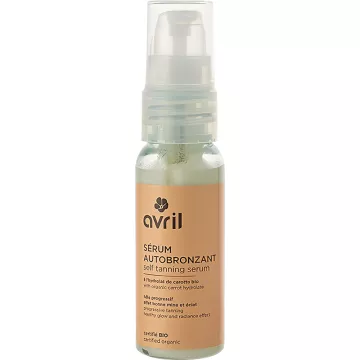
Self-tanners are generally considered safe for most users when used properly.
They generally contain dihydroxyacetone (DHA), a substance that reacts with dead cells in the stratum corneum to temporarily darken the skin.
Follow the application instructions carefully to achieve an even tan, and always perform a patch test 24 to 48 hours before your first full application.
Self-tanners offer no UV protection: sunscreen is still essential whenever you’re exposed to the sun.
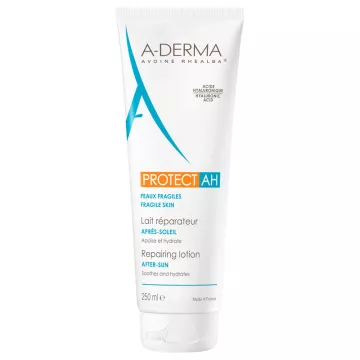
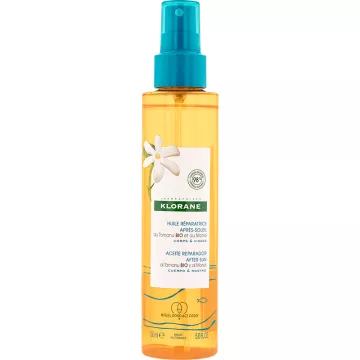
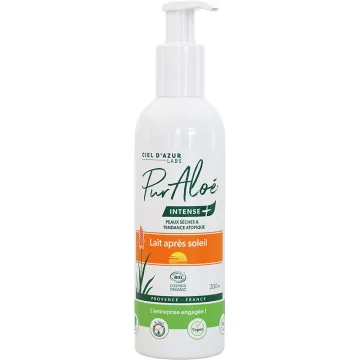
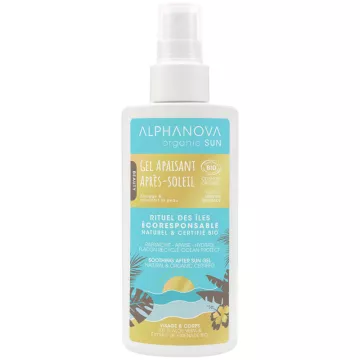
If you get sunburned, act quickly to soothe the skin and support its healing:
Be sure to see a doctor if you have severe, widespread sunburn with significant blistering, fever, chills, headaches, vomiting, or signs of dehydration: these symptoms may indicate heatstroke or second-degree burns requiring medical attention.
It is still possible to tan safely by adopting a responsible and balanced approach:
Moderate, well-protected sun exposure allows you to enjoy the sun’s positive effects while minimizing skin risks in the long term.