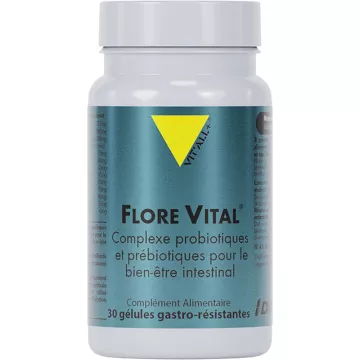
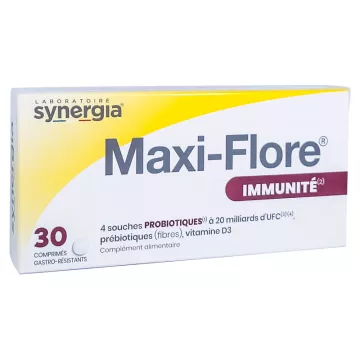
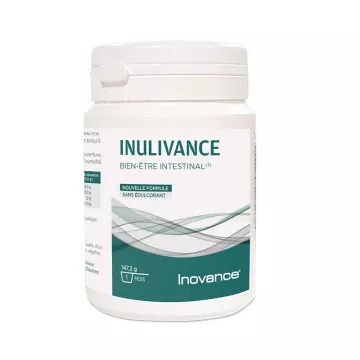
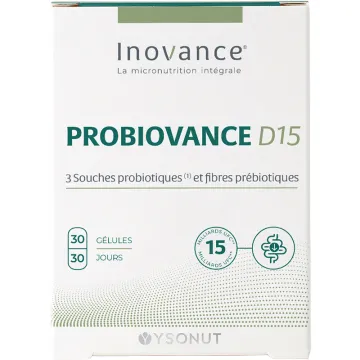
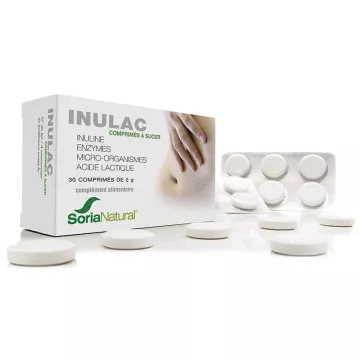
Prebiotics are substrates selectively fermented by beneficial bacteria in the gut microbiota, providing them with a growth and activity advantage. Unlike probiotics (live microorganisms), they act on the bacteria already present in the gut—by nourishing them and promoting their growth. Explore our range of prebiotics and lactic acid bacteria.
What is a prebiotic?
The definition of a prebiotic has evolved—the 2017 ISAPP definition is the current standard: a prebiotic is a substrate selectively utilized by the host’s microorganisms, conferring a health benefit. This definition goes beyond fiber alone: certain polyphenols and fatty acids can also act as prebiotics by modulating the microbiome. In dietary supplement applications, the most commonly used prebiotics are fructo-oligosaccharides (FOS), galacto-oligosaccharides (GOS),inulin, acacia gum, and pectins—all of which are selectively fermented by bifidobacteria and lactobacilli.
Prebiotics vs. Probiotics: What Are the Differences?
Prebiotics and probiotics are complementary—their combination forms a synbiotic.
- Prebiotics: non-digestible substrates (fiber, oligosaccharides) that feed the beneficial bacteria already present in the microbiota—no live bacteria
- Probiotics: live microorganisms that are temporarily added to the microbiota—they must be alive at the time of ingestion and present in sufficient quantities
- Synbiotics: formulations combining both — the prebiotic is selected to preferentially nourish the co-administered probiotic strain — improved colonization and survival
- Prebiotics have the advantage of being stable (no cold chain required, no sensitivity to gastric acidity)
- Their effectiveness depends on the initial microbiome—they “fertilize” the bacteria already present; a severely depleted microbiome will benefit more from probiotics first
What types of prebiotics should be used as supplements?
Each prebiotic has a distinct fermentation profile—they are not interchangeable.
- Inulin and FOS: rapid fermentation in the proximal colon—powerful bifidogenic effect starting at 5 g/day—see inulin
- GOS (galacto-oligosaccharides): a natural component of breast milk (HMO)—particularly studied in pediatrics for immune programming in infants
- Acacia gum: slow and gradual fermentation—first-line treatment for sensitive intestines (mild IBS)—produces little gas, well tolerated
- Pectins: distal fermentation (distal colon) — substrate forAkkermansia muciniphila (mucosal integrity)
- Psyllium: dual-action soluble/insoluble fiber—promotes bowel transit + moderate prebiotic effect—see plant fibers
Prebiotics and the gut-brain axis?
Neurotransmitter production by the microbiota is directly influenced by available prebiotic substrates.
- The fermentation of prebiotics produces short-chain fatty acids (SCFAs) such as butyrate and propionate—butyrate crosses the blood-brain barrier and directly influences neuroinflammation
- Certain prebiotics modulate the production of enteric serotonin (90% of the body’s serotonin is found in the gut) and GABA by gut bacteria
- Human studies on fasting and prebiotics: reduction in biological markers of stress in individuals with an impoverished microbiome
- Recommended gradual approach: start at 2–3 g/day and increase over 2–3 weeks to minimize digestive discomfort during adaptation
FODMAPs and prebiotics: what’s the connection?
FODMAPs (Fermentable Oligosaccharides, Disaccharides, Monosaccharides, and Polyols) include many prebiotics—an important connection to understand.
- Inulin, FOS, and GOS are FODMAPs—in people with severe irritable bowel syndrome, they can exacerbate bloating and abdominal pain
- A low-FODMAP diet is sometimes prescribed as a short-term measure for IBS—but it also reduces prebiotic intake and depletes the microbiome
- Alternatives for sensitive intestines: acacia gum (low fermentability, well tolerated even in IBS) or blond psyllium
- Gradually reintroduce prebiotics after the FODMAP exclusion phase to avoid permanently depleting the microbiome
- See “Digestive Comfort” for formulas tailored to sensitive digestive systems
How can you incorporate prebiotics into your daily routine?
Diet and supplementation are two complementary ways to meet recommended prebiotic intake levels.
- Diet: garlic, onions, leeks, asparagus, artichokes, Jerusalem artichokes (inulin), oats (beta-glucans), green bananas and apples (pectins), legumes (FOS)
- Supplements: 3–10 g/day of inulin or FOS in powder or capsule form—introduce gradually (2 g/day the first week)
- Always accompanied by adequate hydration (at least 1.5 L/day)—prebiotics swell when exposed to water
- Synbiotic formulas: lactic acid bacteria + prebiotics — optimal synergy for restoring the microbiome
- “30 different plants per week” goal: dietary plant diversity is the best source of natural prebiotics