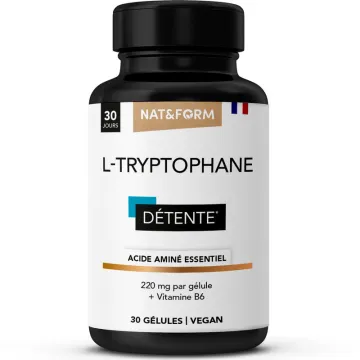
Serotonin is a neuromodulator synthesized primarily in the gut (90%) and the brain (10%). It regulates mood, the sleep-wake cycle, appetite, and intestinal motility. Not to be confused with tryptophan, its dietary precursor—serotonin is the converted product, active in brain synapses and intestinal cells. Explore our serenity and well-being product line.
What is serotonin?
Serotonin (5-hydroxytryptamine, 5-HT) is a monoamine derived from tryptophan via 5-HTP (5-hydroxytryptophan). Its synthesis requires vitamin B6 and iron as cofactors. It acts both as a brain neurotransmitter (regulating mood, sleep, and appetite) and as an enteric neuromediator (regulating intestinal motility). It is broken down by MAO (monoamine oxidase)—MAOI medications block this enzyme, increasing serotonin levels (for medical use only).
Serotonin and Mood: What Role Does It Play?
Serotonin is the neuromodulator most closely involved in mood stability and emotional well-being.
- It modulates transmission in the raphe nuclei (brainstem)—areas that control mood and emotion
- A balanced serotonergic system contributes to emotional stability, stress resilience, and a sense of calm in daily life
- SSRIs (selective serotonin reuptake inhibitors) are antidepressant medications that work by keeping serotonin in the synapse longer—always available by prescription only
- For nutritional support: tryptophan, magnesium, and L-theanine —which do not interact with SSRIs, though you should check with your doctor
- If you experience persistent symptoms of low mood or anxiety: a medical consultation is essential
Serotonin and sleep: what’s the connection?
Serotonin is the direct precursor to melatonin —the central regulator of the sleep-wake cycle.
- The conversion of serotonin to melatonin occurs in the pineal gland in response to darkness
- A healthy daytime serotonin level promotes normal nighttime melatonin production
- Daylight stimulates serotonin synthesis—morning exposure to natural light helps calibrate the circadian rhythm
- For sleep: tryptophan in the evening + magnesium at bedtime + reducing blue light exposure 2 hours before bedtime — see our relaxation and sleep product line
Microbiome and serotonin: what’s the connection?
Serotonin production is closely linked to the state of the gut microbiome —a fundamental gut-brain axis.
- 90% of the body’s serotonin is produced in the enterochromaffin cells of the gut under the influence of the microbiome
- Certain gut bacteria (Lactobacillus, Bifidobacterium) stimulate the production of enteric serotonin
- Intestinal serotonin regulates colon motility and digestive comfort—an imbalance can disrupt bowel movements
- Psychobioticprobiotics: strains studied for their influence on the gut-brain axis and emotional well-being
How can you naturally increase serotonin?
There are several ways to naturally support serotonin production and availability.
- A diet rich in tryptophan: turkey, eggs, dairy products, nuts, and legumes—a direct dietary precursor
- Essential cofactors: vitamin B6 and magnesium —indispensable for the conversion of tryptophan → 5-HTP → serotonin
- Physical activity: Regular moderate exercise has been shown to increase serotonin levels in the brain
- Exposure to natural light: morning light stimulates daytime serotonin production
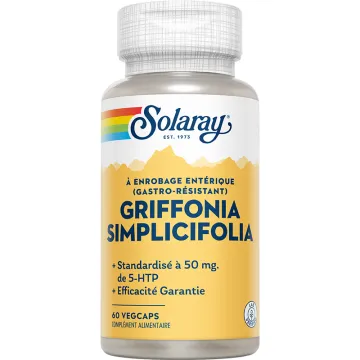
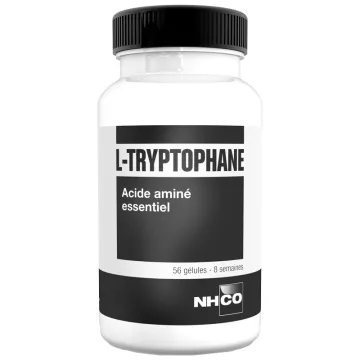
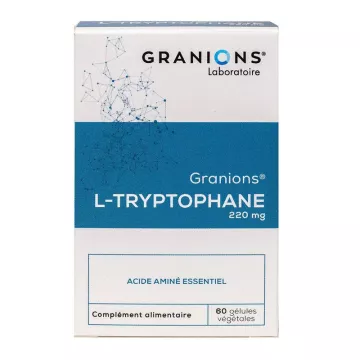
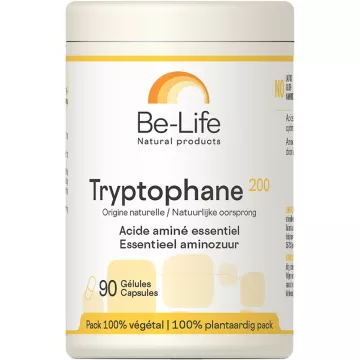
- Supplements: tryptophan or 5-HTP available at health food stores — never combine with SSRIs without medical advice (risk of serotonin syndrome)
- See also: supplements for stress and behavior
Serotonin and dopamine: what are the differences?
Serotonin and dopamine are two essential neuromodulators with distinct functions and neural pathways.
- Serotonin: emotional stability, calmness, satisfaction, sleep, appetite regulation, and bowel motility—synthesized from tryptophan
- Dopamine: motivation, anticipation of pleasure, reward, concentration, and initiative—synthesized from tyrosine
- The two systems influence each other — a deficiency in one can affect the other
- Fatigue, decreased motivation, and sleep disturbances may involve both pathways
- L-tyrosine supports dopamine; tryptophan supports serotonin—they are complementary