
0
Menu

Itching in the genital area: yeast infection or bacterial infection?

Filter
Number of products : 19
Sort
Sort
Close
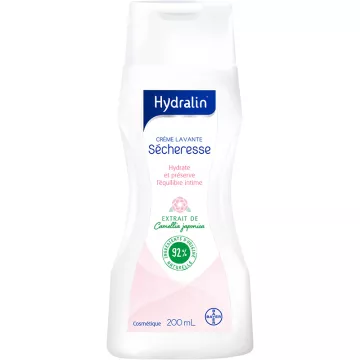
Hydralin Dry Skin Cleansing Cream 200 ml Hydralin Dry Skin Cleansing Cream 200 ml
200 ml 2x200 ml
€9.85
Add to cart
Shipped within 24h
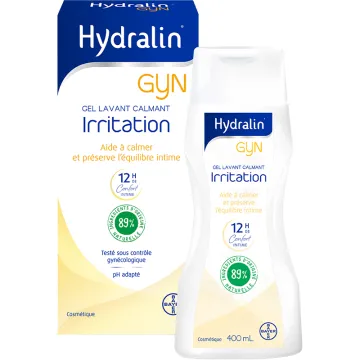
Hydralin Gyn Soothing Cream-Gel Hydralin Gyn Soothing Cream-Gel
15 g 35 g
€7.60
Add to cart
Shipped within 24h
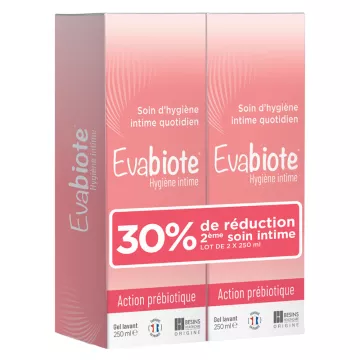
Evabiote Vaginal Microbiota Balance and Hydration 10 ovules Evabiote Vaginal Microbiota Balance and Hydration 10 ovules
€14.99
Shipped within 24h
Pileje Feminabiane Intima Intimate Discomfort and Dryness Cream 15 ml Pileje Feminabiane Intima Intimate Discomfort and Dryness Cream 15 ml
€13.85
Shipped within 24h
Puressentiel Soothing Intimate Ointment Organic 30 ml Puressentiel Soothing Intimate Ointment Organic 30 ml
€10.66
Shipped within 24h
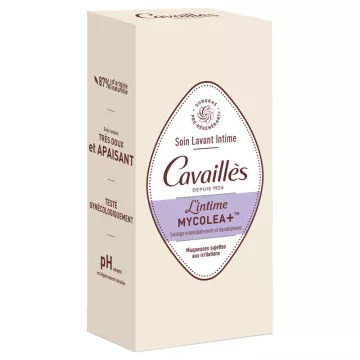
Cavaillès Mycolea+ Intimate Cleansing Care 200 ml Cavaillès Mycolea+ Intimate Cleansing Care 200 ml
€9.25
Shipped within 24h
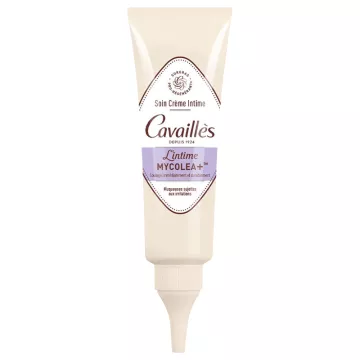
Cavaillès Mycolea+ Intimate Cream Care 50 ml Cavaillès Mycolea+ Intimate Cream Care 50 ml
€10.99
Shipped within 24h
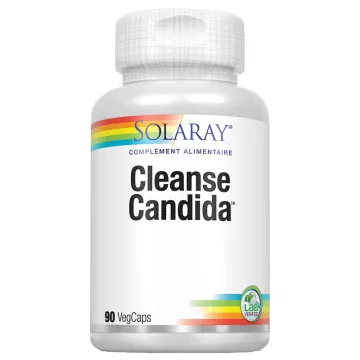
Solaray Cleanse Candida 90 capsules Solaray Cleanse Candida 90 capsules
€32.99
Shipped within 24h
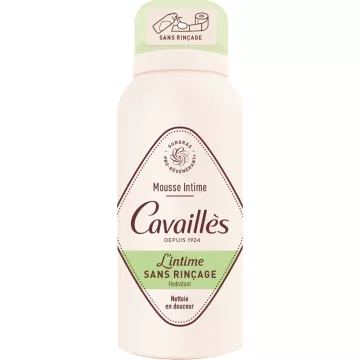
Cavaillès No-Rinse Moisturizing Intimate Foam 100 ml Cavaillès No-Rinse Moisturizing Intimate Foam 100 ml
€8.70
Shipped within 24h
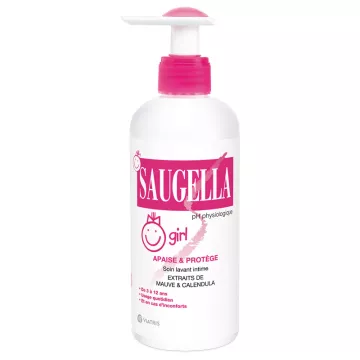
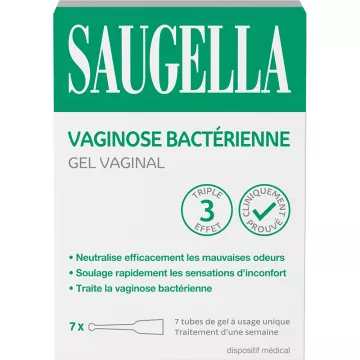
Saugella Bacterial Vaginosis Triple Effect Vaginal Gel 7 tubes Saugella Bacterial Vaginosis Triple Effect Vaginal Gel 7 tubes
€11.99
Shipped within 24h
HURA BRASILIENSIS 5C homeopathic pellets Boiron HURA BRASILIENSIS 5C homeopathic pellets Boiron
4 C Tube 80 granules 4 g. +
€2.99
Add to cart
In stock - preparation within 1 to 2 working days
FLUORITE pellets Boiron homeopathy FLUORITE pellets Boiron homeopathy
Tube 80 granules 4 g. 8X or 8 DH +
€6.59
Add to cart
In stock - preparation within 1 to 2 working days

What are the main causes of genital itching?

Genital itching results from various mechanisms, and it is important to distinguish between them in order to tailor the treatment. The main causes are:

  • Candida yeast infections, which are exacerbated by heat, moisture, or recent antibiotic treatment.
  • Bacterial vaginosis, linked to an imbalance in the protective flora.
  • Allergic reactions or contact irritation caused by scented soaps, laundry detergents, or synthetic fabrics.
  • Hormonal changes, particularly during menopause, which dry out the mucous membrane.
  • Balanitis in men, often linked to a fungal infection or poor hygiene.

An accurate medical diagnosis, sometimes involving a swab and lab test, is necessary before any treatment. Improper self-medication can delay healing or mask an underlying infection.

How can you tell the difference between a fungal infection and a bacterial infection?

Both conditions cause itching, but their associated symptoms differ:

  • Candida yeast infection: intense irritation, marked redness, thick, whitish discharge, and a neutral or yeast-like odor.
  • Bacterial vaginosis: less intense itching, gray or yellow discharge, characteristic fishy odor.
  • Contact dermatitis: redness localized to the site of contact with the allergen, without abnormal discharge.

A simple clinical examination is not always sufficient to make a definitive diagnosis. A vaginal swab followed by laboratory analysis remains the gold standard for confirming the nature of the infection and guiding treatment. Avoiding self-diagnosis prevents the use of an antifungal medication for a bacterial infection or an antibiotic for a yeast infection—which is not only ineffective but can also worsen the imbalance of the vaginal flora and increase the risk of recurrence.

What treatments are available for vaginal itching?

Treatment depends on the established diagnosis:

  • Antifungal creams or tablets for yeast infections, following medical confirmation.
  • Prescription antibiotics for bacterial vaginosis.
  • Elimination of the irritating product and a return to gentle hygiene products with a pH level suitable for contact reactions.
  • Intimate moisturizers or topical estrogens for hormonal dryness.

In addition, probiotics containing Lactobacillus strains help restore the protective flora, particularly after antibiotic treatment. They can be taken orally or applied topically, depending on the formulation. Some studies suggest that regular courses of Lactobacillus rhamnosus and Lactobacillus reuteri reduce the frequency of recurrent candidiasis. Taking them during and after antibiotic therapy is a well-documented preventive strategy.

What natural remedies can help relieve itching?

Certain alternative approaches provide temporary relief from mild symptoms:

  • Plain, unsweetened yogurt, rich in active cultures, applied topically.
  • Aloe vera gel for its soothing and anti-inflammatory properties.
  • Coconut oil, with natural antifungal properties, applied topically.
  • Warm sitz baths to soothe local inflammation.

These remedies are not a substitute for medical treatment. Prolonged use without improvement should prompt a visit to a healthcare provider, particularly to rule out an underlying skin condition or an unidentified skin allergy.

How can you prevent genital itching and avoid recurrences?

Gentle hygiene and appropriate lifestyle habits can help reduce the frequency of episodes over the long term:

  • External cleansing only, using a fragrance-free cleanser with a physiological pH.
  • Wear cotton underwear, changed daily and washed without fabric softener.
  • Avoid douches, sprays, and scented wipes.
  • Change immediately after exercise or bathing to prevent skin maceration.
  • Limit intake of refined sugars, which promote the growth of Candida.

During pregnancy, genital itching is more common due to hormonal changes that alter the pH and composition of the vaginal flora. Regular medical follow-up allows for tailored care during this period and the prompt initiation of safe treatment if needed. For men, thoroughly drying the glans after washing and choosing breathable underwear remains the most effective prevention against balanitis and recurrent fungal infections. In any case, itching that persists for more than a few days without significant improvement warrants a doctor’s visit, even in the absence of obvious signs of infection.