What is anemia, and what are its symptoms?
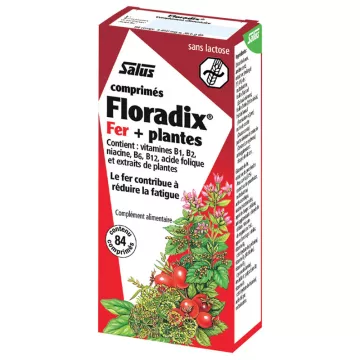
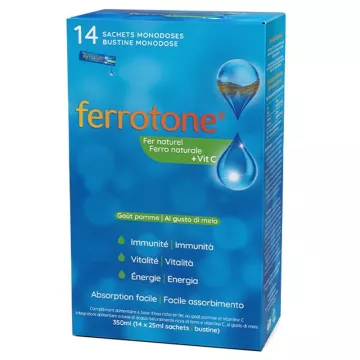
Anemia is defined as a decrease in hemoglobin levels below normal values—< 12 g/dL in women, < 13 g/dL in men (WHO). Hemoglobin, found in red blood cells (erythrocytes), is the protein that transports oxygen from the lungs to the organs. When hemoglobin levels are insufficient, tissues experience relative hypoxia. Supplements to support blood vitality are available in the iron line and the vitamin line at the store.
- Characteristic symptoms: persistent fatigue and weakness — pale conjunctiva and complexion — shortness of breath on exertion — palpitations — headaches — difficulty concentrating — in severe cases: tachycardia, dizziness, syncope
- Diagnosis: complete blood count (CBC) — hemoglobin level, hematocrit, MCV (mean corpuscular volume — indicates the type of anemia) — ferritin, serum iron, transferrin — vitamin B12, folate — reticulocytes — interpretation and diagnosis are the responsibility of the physician
- Main forms based on MCV: microcytic anemia (MCV < 80 fL — carence martiale, thalassémie) — anémie normocytaire (VGM 80–100 fL — maladies chroniques, hémolyse, insuffisance rénale) — anémie macrocytaire (VGM > 100 fL — B12 or folate deficiency, alcohol)
What are the main causes, and how should they be managed?
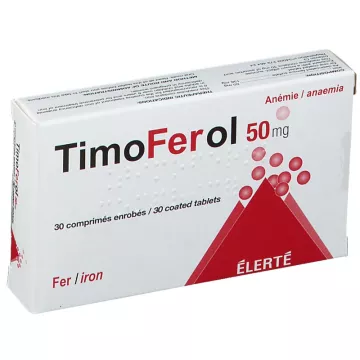
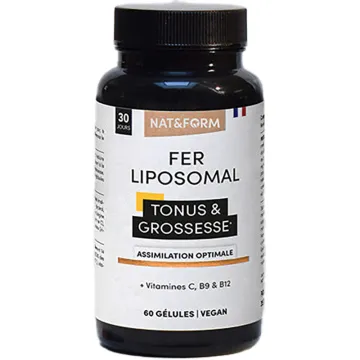
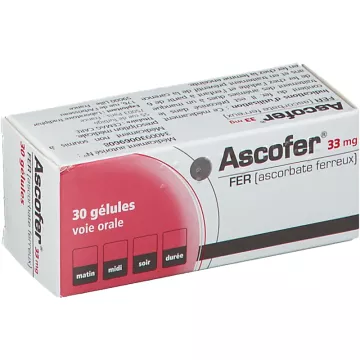
- Iron-deficiency anemia: most common cause — chronic bleeding (heavy menstrual periods, peptic ulcer, colorectal cancer) — malabsorption — insufficient intake — iron supplementation by prescription (iron salts, iron bisglycinate) — over-the-counter iron products — combine with vitamin C to improve the absorption of non-heme iron — avoid tea, coffee, and dairy products within 2 hours of taking iron (absorption inhibitors)
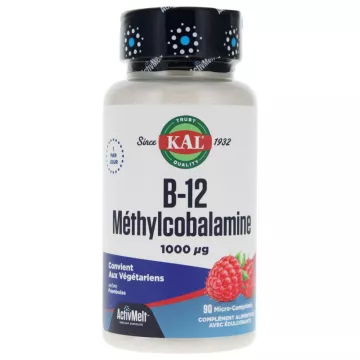
- Vitamin B12-deficiency anemia: atrophic gastritis (Biermer’s disease), strict veganism, gastrectomy — macrocytosis, glossitis, neurological disorders (posterior column involvement) — oral or intramuscular supplementation depending on the cause
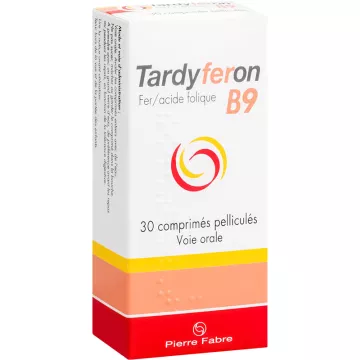
- Folic acid (vitamin B9)deficiency anemia: diet low in green vegetables, alcoholism, certain medications (methotrexate, antiepileptics) — oral supplementation — routine supplementation recommended before and during pregnancy (400 µg/day) to prevent neural tube defects
- Anemia of pregnancy: iron and folate requirements increase significantly — see maternal care — regular laboratory monitoring is essential — supplementation based on obstetric advice
- Chronic and complex anemias: anemias associated with chronic diseases (inflammation—rheumatology, cancer, renal failure), hemolytic anemias, sickle cell disease, thalassemias — specialized management, sometimes requiring transfusions or EPO therapy — to be managed exclusively by a specialist
What diet can help prevent anemia and support iron replenishment?
- Heme iron (bioavailability 15–35%): red meat, organ meats (liver, blood sausage), poultry, fish, shellfish—consume at least twice a week
- Non-heme iron (bioavailability 2–8%, can be enhanced with vitamin C): legumes (lentils, chickpeas, beans), spinach, tofu, pumpkin seeds, seaweed, dried vegetables — always pair with a vitamin C-rich food (kiwi, bell pepper, lemon) in the same meal
- Vitamin B12: exclusively from animal products (meat, fish, eggs, dairy products)—supplementation is essential for strict vegans—see the vitamin B12 product line
- Folate (B9): green leafy vegetables (spinach, watercress, lamb’s lettuce), legumes, brewer’s yeast, liver—gentle cooking methods that preserve heat-sensitive folate
- Consult a doctor for any diagnosis of anemia: self-administered iron supplementation without a medical evaluation is contraindicated (excess iron is pro-oxidant and may mask an underlying condition)