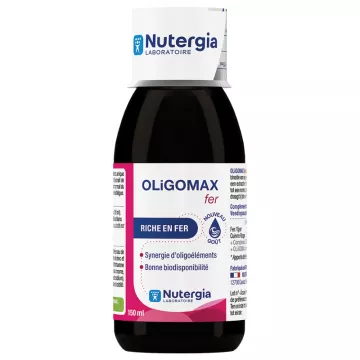
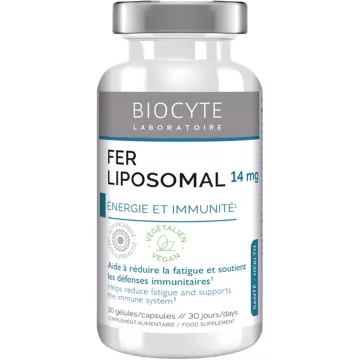
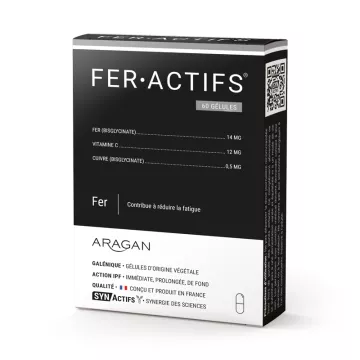
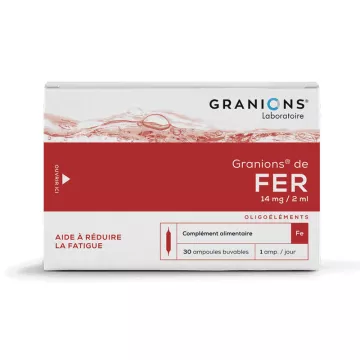
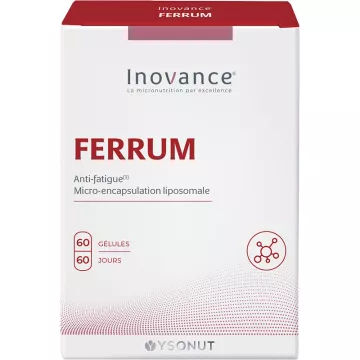
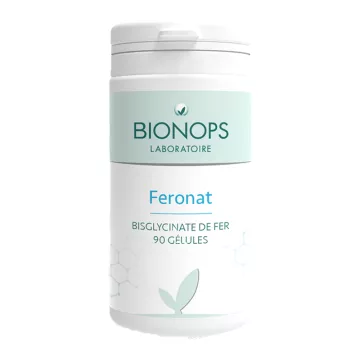
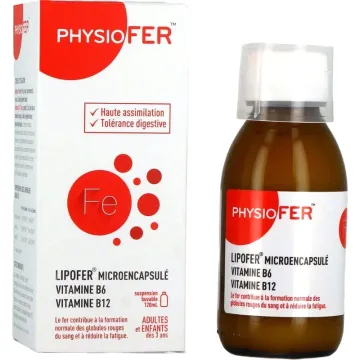
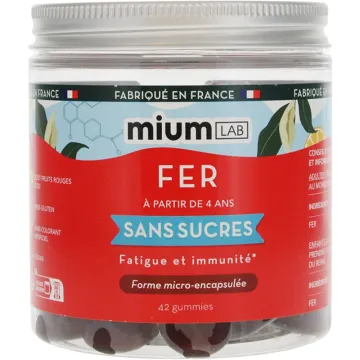
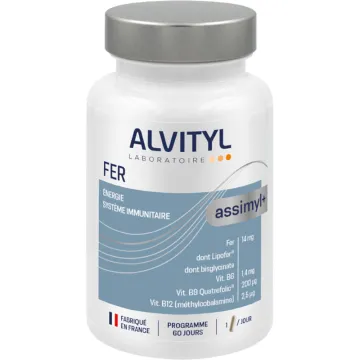
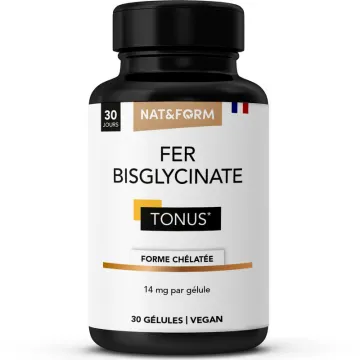
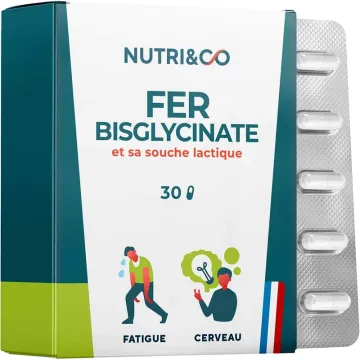
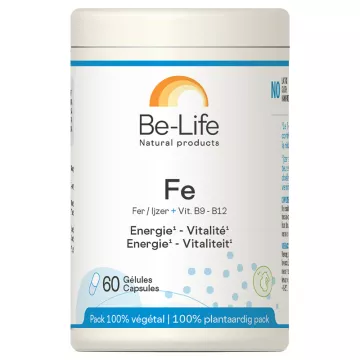
Heme iron is the form of iron bound to heme, the molecule that gives blood and muscles their red color. It is found only in animal-based foods: red meat, organ meats (especially liver), poultry, and fish. It differs significantly from non-heme iron of plant origin, which is discussed in more detail on the page dedicated to iron in general, particularly with regard to the mechanism of intestinal absorption.
Heme iron follows a specific intestinal absorption pathway, independent of the transporter used by non-heme iron, which allows it to be absorbed at a rate of 15 to 35 percent, compared to only 2 to 20 percent for plant-based iron. Unlike non-heme iron, its absorption is not inhibited by tannins, phytates, or calcium present in the same meal, and it does not require the concurrent intake of vitamin C to be effectively absorbed.
People with iron deficiency confirmed by a blood test—particularly those with iron-deficiencyanemia —may benefit from heme iron supplementation when dietary intake is insufficient to correct the deficiency. Its higher bioavailability makes it an attractive option when high doses are needed for a limited period, always in conjunction with medical advice and laboratory monitoring.
By definition, heme iron is absent from any vegetarian or vegan diet. Vegetarians must therefore rely exclusively on non-heme iron and ensure they consistently pair a source of vitamin C with their plant-based iron intake to optimize absorption—a level of nutritional vigilance that is more rigorous than for an omnivorous diet.
Heme iron supplements are generally associated with better digestive tolerance than conventional non-heme iron salts (ferrous sulfate), which more frequently cause issues such as difficulty digesting, nausea, or abdominal pain. This difference in tolerance is due to the specific absorption pathway of heme iron, which limits the amount of residual free iron that can irritate the intestinal lining.
Even though it is better tolerated, heme iron can cause constipation at high doses, a common side effect of any iron supplementation. As with any form of iron, supplementation should never be started without a prior blood test, as excess iron is potentially toxic in the long term and may mask an underlying condition requiring specific medical evaluation.