Depressive Tendencies vs. Feeling Down: How to Tell the Difference?
Depressive tendencies refer to a state of persistently low mood, loss of motivation, and diminished pleasure that goes beyond normal emotional fluctuations but does not necessarily meet all the criteria for a major depressive episode. Depression, on the other hand, is a temporary emotional reaction that is proportionate to life events (grief, failure, burnout). Recognizing the difference is essential: a persistent depressive tendency should always be evaluated by a doctor. If you or a loved one is having suicidal thoughts, call 3114 (national hotline, available 24 hours a day). Explore our anti-stress herbal blends and our stress and sleep supplements to naturally support your mood.
- Transient (reactive) depression: sadness linked to an identifiable event—duration < 2 weeks—pleasure partially preserved—overall functioning maintained—spontaneous improvement over time and with support from loved ones
- Mild depressive tendency (mild dysthymia): low mood most days for several weeks—unusual fatigue—loss of vitality—disturbed sleep—reduced but not completely lost sense of pleasure—able to function but feels “empty”—often benefits from natural approaches + supportive psychotherapy
- Major depression (characterized depressive episode): full-blown syndrome (≥ 5 DSM-5 criteria, including depressed mood or anhedonia for ≥ 2 weeks) — medical and psychotherapeutic treatment essential — see our page nervous depression for medical treatments
- Warning signs requiring urgent medical attention: thoughts of death or suicide → call 3114 immediately — total inability to eat, get out of bed, or care for oneself — delusions or hallucinations — rapid worsening despite efforts — these situations require a doctor or psychiatric emergency care
- Common triggers: grief or separation — work-related burnout — social isolation — hormonal changes (postpartum, menopause, puberty) — chronic painful illnesses — nutritional deficiencies (vitamin D3, magnesium, iron, omega-3) — substance withdrawal — winter and lack of light (seasonal affective disorder)
Micronutrients and Diet to Support Mood
- Magnesium: the go-to “anti-depressant” mineral — a cofactor in the synthesis of serotonin and GABA — chronic cortisol depletes it significantly — deficiency (very common, 70% of the population) → irritability, anhedonia, insomnia, anxiety — supplementation with bisglycinate at 300–400 mg/night — efficacy documented in several controlled studies on mild depression
- Omega-3 EPA: Eicosapentaenoic acid (EPA) has the best-documented natural antidepressant effect—positive meta-analyses on mild to moderate depression and anxiety — 1–2 g of EPA per day for an 8–12-week course — dietary sources: sardines, mackerel, wild salmon, herring (2–3 times per week)
- Vitamin D3: Vitamin D receptors are present in brain regions that regulate mood (hippocampus, prefrontal cortex) — people with depression have, on average, levels that are 30% lower — deficiency is nearly universal in France during the winter — 1,000–2,000 IU/day from October through March + light therapy at 10,000 lux for 30 minutes each morning to treat the winter blues
- Vitamin B6: a cofactor in the conversion of tryptophan to serotonin and DOPA to dopamine — deficiency → low mood, irritability, anxiety, severe premenstrual syndrome — 25–50 mg/day as a short-term treatment (do not continue indefinitely)
- Neuroprotective diet: the Mediterranean diet is associated with a 25–35% reduced risk of depression in prospective studies — prioritize dark green vegetables (magnesium, folate), fatty fish 2–3 times per week (EPA/DHA), nuts and seeds (zinc, magnesium, tryptophan), fresh fruit (antioxidants) — limit refined sugars (brain inflammation), alcohol (long-term CNS depressant), and ultra-processed foods
Herbs, light, and natural approaches to boost mood
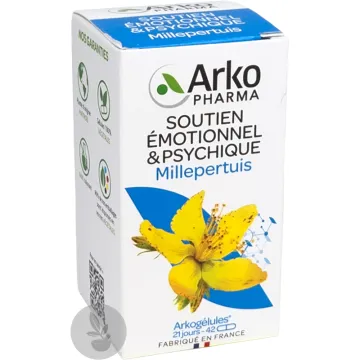
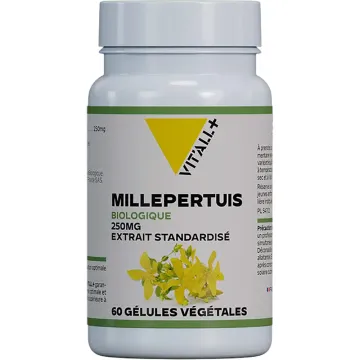
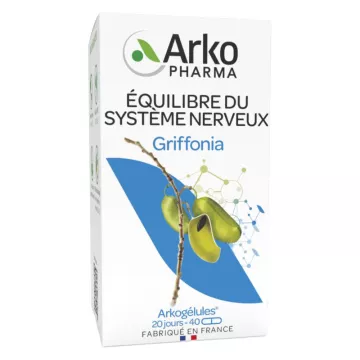
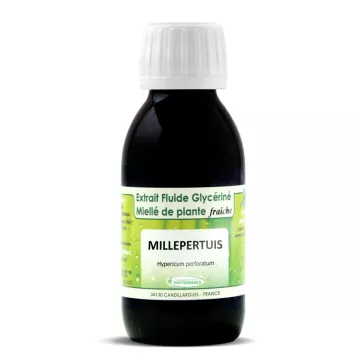
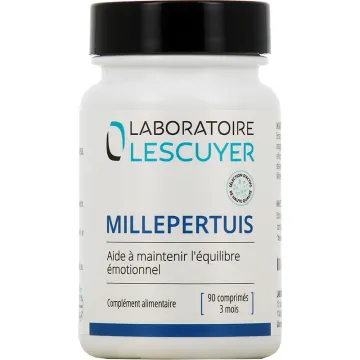
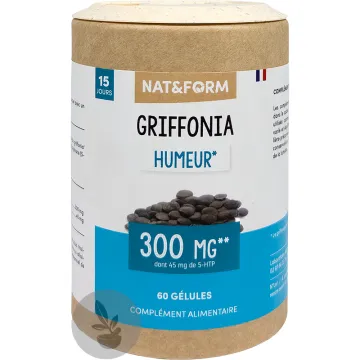
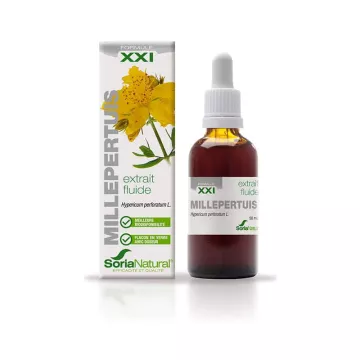
- St. John’s Wort (Hypericum perforatum): the most extensively studied plant for mild to moderate depression — a serotonin, dopamine, and norepinephrine reuptake inhibitor — meta-analyses show efficacy comparable to SSRIs in mild depression — available as standardized extracts (dry extract, mother tincture) — major interactions: powerful enzyme inducer (CYP3A4) → reduces the effectiveness of oral contraceptives, VKA anticoagulants, antiretrovirals, immunosuppressants, and antiepileptics — always inform your doctor — check out our herbal stress relief formulas
- Saffron (Crocus sativus): a spice with well-documented antidepressant properties (30 mg/day of standardized extract) — serotonin reuptake inhibitor + brain-protective antioxidant properties — comparative studies against low-dose fluoxetine and imipramine — no known major interactions at supplemental doses
- Rhodiola (Rhodiola rosea): an adaptogen documented to help with stress-related depression — reduces cortisol and improves mental resilience to stress — take in the morning (mildly stimulating) — combine with light therapy in winter for seasonal affective disorder
- Meditation and Mindfulness (MBSR): clinically validated 8-week protocol — reduces depressive relapses by 43% in recurrent cases — improves management of rumination — 10–20 minutes daily is sufficient for a measurable effect — visit our dedicated page
- Light Therapy: 10,000 lux, 30 minutes in the morning (between 6 a.m. and 9 a.m.), for 4–8 weeks — the standard treatment for seasonal affective disorder (winter blues) — also effective for mild non-seasonal depression — combine with vitamin D3 and a consistent wake-up time for enhanced results
Lifestyle, Sleep, and Resources for Overcoming Depression
- Physical exercise: one of the most powerful natural antidepressants—30–45 minutes of aerobic exercise 3–5 times a week releases dopamine, serotonin, endorphins, and BDNF—effectiveness comparable to mild antidepressants in meta-analyses for mild to moderate depression—brisk walking outdoors (natural light + nature + exercise = triple benefit)
- Restful sleep: Lack of sleep is one of the primary factors that worsen depression—go to bed and wake up at set times—avoid screens 1 hour before bedtime (blue light inhibits melatonin) — 0.5–1 mg of melatonin if having trouble falling asleep — check out our anti-stress formulas and homeopathic supplements for stress and fatigue
- Social connections: Social isolation worsens depression in a dose-dependent manner—maintain contact, even if brief, even during periods of withdrawal—organizations, support groups, volunteering—France Dépression: 0800 19 00 00 (toll-free)
- Meaningful activities: Engage in creative, physical, or altruistic activities that provide a sense of accomplishment and connection — behavioral activation (a CBT technique): Gradually resume enjoyable activities even without initial motivation — enjoyment often returns during or after the activity, not before
- A medical consultation is recommended if: persistent depression lasting > 3–4 weeks with no improvement — worsening symptoms — significant impact on work, relationships, or daily life — your primary care physician is your first point of contact — MonPsy (partial reimbursement for psychologists since 2022) — 3114 if experiencing suicidal thoughts (24/7)