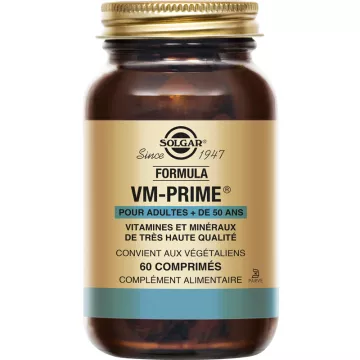
What are the specific needs of seniors when it comes to over-the-counter products?
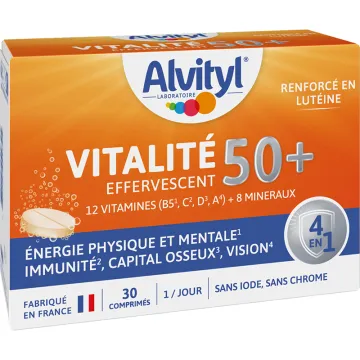
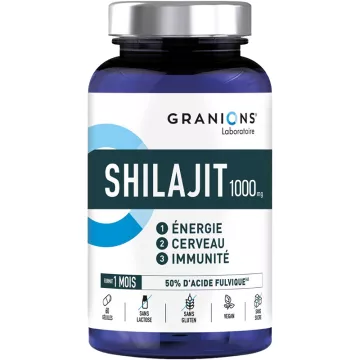
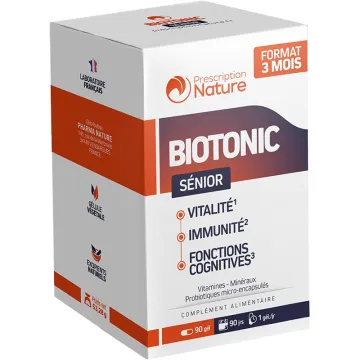
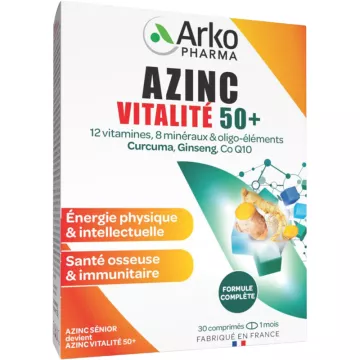
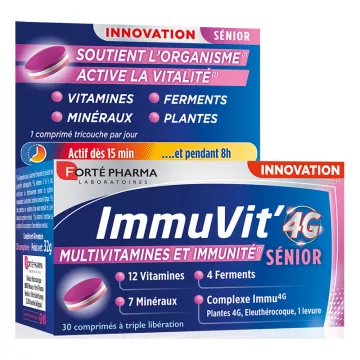
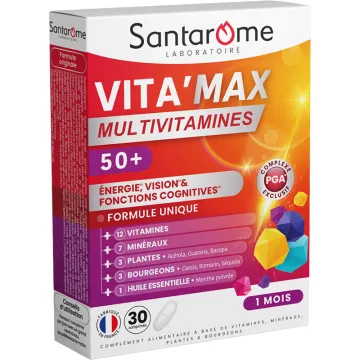
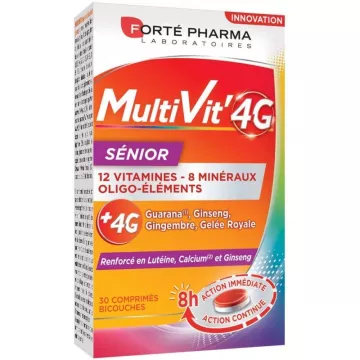
Aging leads to gradual physiological changes that result in healthcare needs quite distinct from those of the rest of the population. Older adults’ skin becomes thinner, drier, and more fragile; the immune system becomes less effective; bone density decreases; joints wear down; and cognitive functions may decline. These changes are often compounded by the use of multiple medications, which requires increased vigilance regarding interactions with dietary supplements and herbal products. Health stores address these needs with dedicated product lines: joint supplements, cognitive support, specialized skin care, cardiovascular actives, and natural immunostimulants—all as a complement to regular medical care.
What supplements are best for seniors’ joints?
Joint pain associated with osteoarthritis affects more than 10 million French people and is particularly common after age 60. The best-documented dietary supplements for joint health combine:
- Chondroitin sulfate and glucosamine: precursors to cartilage, which several meta-analyses (OARSI) show have a modest but significant effect on pain and joint function.
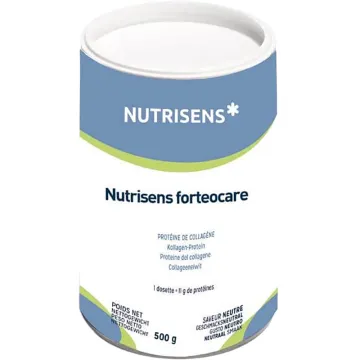
- Hydrolyzed type II collagen: helps maintain the cartilage matrix.
- Turmeric (curcuminoids): has a soothing effect on inflamed joint tissues, with absorption optimized by piperine.
- Omega-3 EPA/DHA: reduce the production of pro-inflammatory mediators involved in cartilage degradation.
How can you support memory and concentration after age 60?
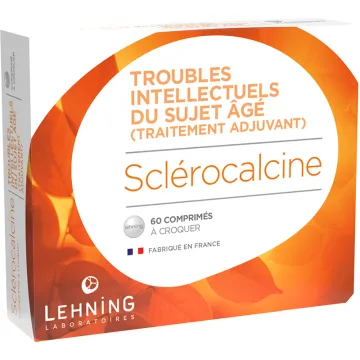
Age-related cognitive decline affects information processing speed, short-term memory, and concentration. Several herbal active ingredients have a reasonable level of evidence supporting their benefits:
- Ginkgo biloba: improves cerebral microcirculation and synaptic transmission. EGb 761, a standardized extract, is the most widely studied.
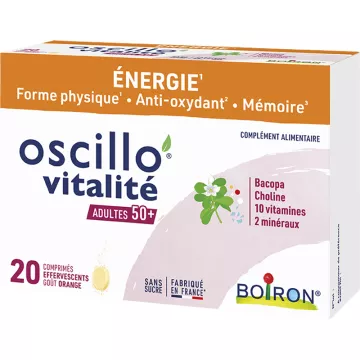
- Bacopa monnieri: an Ayurvedic plant for which clinical studies show improvements in declarative memory and learning speed.
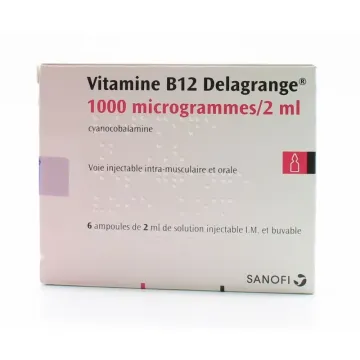
- Active ingredients that support concentration also include B vitamins (B6, B9, B12), which contribute to neurotransmitter synthesis and help reduce homocysteine, a marker of cardiovascular and cognitive risk.
What natural active ingredients support cardiovascular health in older adults?
After age 60, cardiovascular risks increase due to the combined effects of hypertension, dyslipidemia, and impaired vascular elasticity. Blood circulation can be supported by well-tolerated plant-based active ingredients:
- Omega-3 EPA/DHA: reduce triglycerides and have an antiplatelet effect (EFSA-approved at 3 g/day).
- Red vine and horse chestnut: strengthen the vein walls and reduce water retention and heavy legs.
- Garlic (allicin) and hawthorn: documented to help mildly regulate blood pressure.
Any addition of supplements while taking anticoagulant or antihypertensive medications must be approved by the treating physician.
How can seniors strengthen their immune system?
The immune system ages along with the body (immunosenescence), reducing the effectiveness of responses to infections and vaccinations. To strengthen natural immunity, several micronutrients are recognized by the EFSA:
- Vitamin D (deficient in more than 80% of seniors in winter): modulates the innate and adaptive immune responses.
- Zinc: contributes to the normal functioning of the immune system.
- Vitamin C: supports immune function during intense physical exertion.
- Probiotics: The gut microbiota accounts for 70% of immune cells, and its balance is crucial for older adults.
What skin care products are suitable for older adults’ skin?
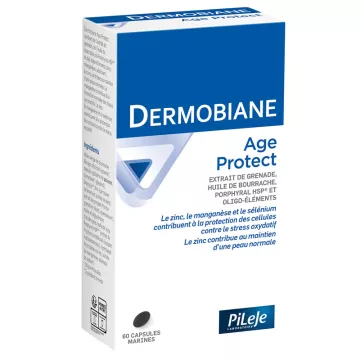
The skin ages gradually: the epidermis thins, sebaceous glands become less active, and there is a loss of hyaluronic acid and collagen. Skincare priorities:
- Rich emollients (shea butter, argan oil, ceramides) applied daily to the body to combat age-related dryness.
- Face creams containing hyaluronic acid and firming peptides to fill in wrinkles and restore density.
- Consistent use of SPF 30 to SPF 50 sunscreen: aging skin is more photosensitive, and actinic keratoses are more common after age 60.
- Specific foot care (for cracked heels and thickened nails) to prevent common foot complications.