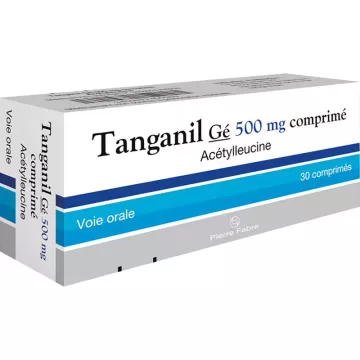











Vertigo is an illusory sensation of movement or rotation—as if the surroundings were spinning around you, or vice versa—often accompanied by nausea, loss of balance, and sometimes tinnitus. It differs from lightheadedness, which is a sensation of mild weakness or instability without this characteristic sensation of rotational movement. This clinical distinction directly guides the diagnosis: vertigo most often suggests a vestibular (inner ear) or neurological disorder, whereas lightheadedness can result from various causes such aslow blood pressure or dehydration.
The most common causes include inner ear disorders (labyrinthitis, Ménière’s disease), circulatory problems related tohigh blood pressure or low blood pressure, certain infections, head trauma, and, more rarely, neurological disorders. A thorough medical evaluation—including a detailed medical history, physical examination, audiometry, imaging (MRI, CT scan), or vestibular testing, depending on the context—is essential to identify the exact cause.
While most cases of vertigo are due to benign causes, certain symptoms require prompt medical attention:
A more serious cause (cardiovascular disorders, tumors, neurological damage) remains possible, although rare—hence the importance of a systematic medical evaluation. Treatment depends directly on the identified cause: prescription anti-vertigo or antiemetic medications, vestibular rehabilitation (a series of specific exercises that stimulate the vestibular system to restore balance), and, more rarely, surgery in specific cases. Relaxation techniques (meditation, deep breathing, yoga) are particularly helpful for dizziness related to stress or anxiety, as they reduce tension and promote better control of the autonomic nervous system.
Ginger (gingerols) is often recommended for its anti-nausea properties, which are helpful when treating episodes of dizziness accompanied by nausea—whether as a fresh tea or in capsule form. Ginkgo biloba (EGb 761 standardized extract—well-established use according to the EMA) improves cerebral microcirculation and is traditionally used for vertigo of vascular origin—contraindicated in cases of anticoagulant or antiplatelet therapy. Magnesium bisglycinate (300 mg/day) supports overall neuromuscular and nervous system function.
In terms of daily habits: staying well-hydrated, limiting caffeine and alcohol (two substances that can worsen dizziness), regularly practicing balance exercises, and ensuring adequate sleep are simple and effective strategies. A balanced diet, rich in vitamins and minerals and low in salt and simple sugars, helps regulate blood pressure and supports inner ear health. Several tracking apps now offer vestibular rehabilitation exercises and symptom tracking—complementary tools that should never replace the advice of a healthcare professional.