CENTAUREA CYANUS Homeopathic Granules by Boiron
Learn about CENTAUREA CYANUS, a homeopathic remedy used in rheumatology to treat gout accompanied by headaches and dizziness. Discover how this Boiron medication can help you effectively manage these complex symptoms.
Please consult the package insert for CENTAUREA CYANUS 4CH, 5CH, 7CH, and 9CH
Centaurea cyanus, or cornflower, exemplifies the richness of the natural pharmacopoeia utilized by homeopathy. Its transformation into a homeopathic remedy offers a gentle alternative for treating various conditions, highlighting the importance of nature in the development of therapeutic solutions. Its inclusion on the list of registered homeopathic medicines attests to its potential and efficacy, making it a valuable choice for practitioners and patients seeking holistic and personalized care.
The appropriate dilution of CENTAUREA CYANUS in homeopathy
Depending on the type of symptoms to be treated, different dilutions are used.
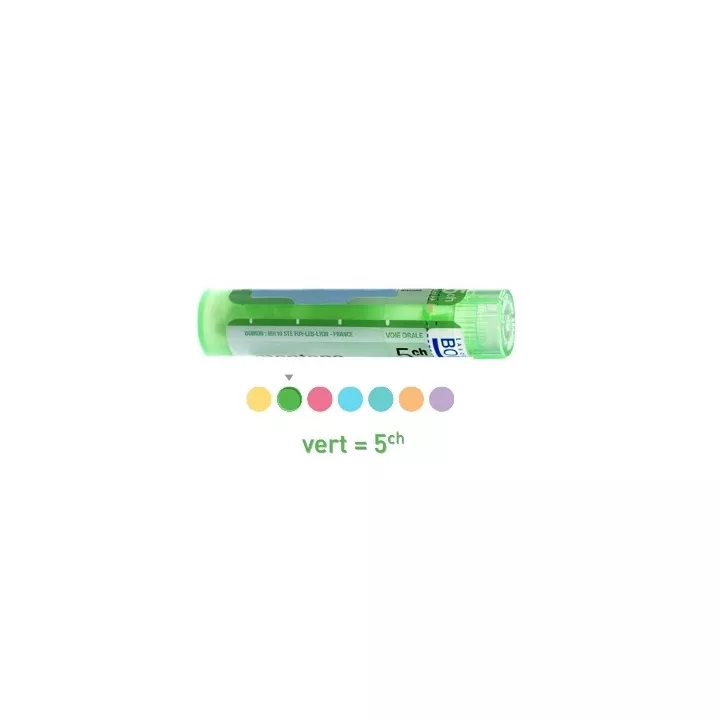
- Low dilutions (4CH–5CH) are used for local symptoms
- Medium dilutions (7CH–9CH) are used to treat more general symptoms
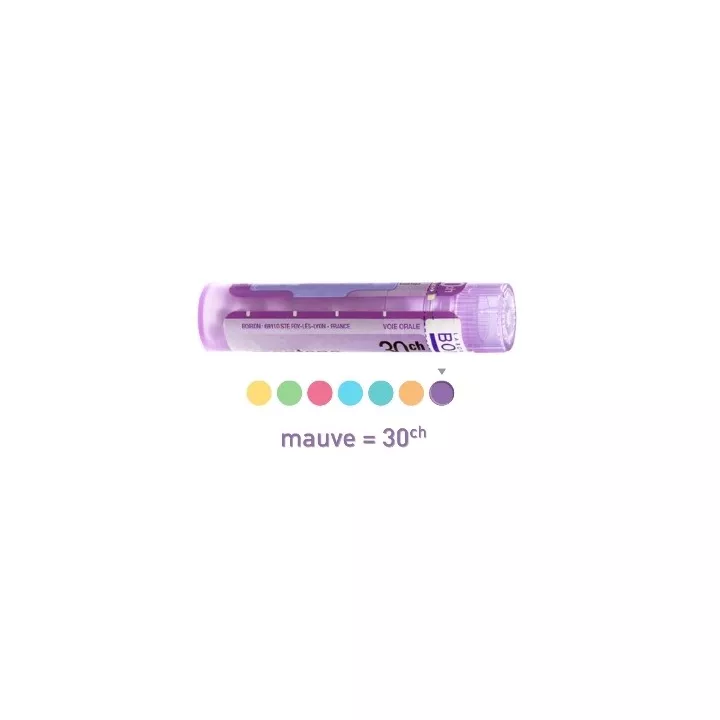
- High dilutions (15CH–30CH) are intended for behavioral disorders
Indications and Dosage
The homeopathic physician selects the appropriate dilution of CENTAUREA CYANUS for each condition or symptom.
CENTAUREA CYANUS: A Homeopathic Remedy for Rheumatology
Introduction: CENTAUREA CYANUS, offered by Boiron in the form of granules at various dilutions such as 4CH, 5CH, 7CH, and 9CH, is recognized in the field of homeopathy for its specific applications in rheumatology. This preparation is indicated for its ability to address complex symptoms associated with gout, including additional manifestations such as headaches and dizziness.
Therapeutic Use of CENTAUREA CYANUS
Rheumatology: CENTAUREA CYANUS is distinguished by its effectiveness in treating gout, a rheumatic condition characterized by acute joint pain, often accompanied by headaches and dizziness. This specific benefit makes CENTAUREA CYANUS a valuable treatment option for individuals experiencing these concomitant symptoms.
Recommendations for Use of CENTAUREA CYANUS and Instructions for Use
Twist the tube to dispense the desired number of granules into the cap, then place the CENTAUREA CYANUS 4CH, 5CH, 7CH, or 9CH homeopathic granules under the tongue.
Application Guidelines
Dosage and Administration: Although CENTAUREA CYANUS granules are available in several dilutions, the choice of the appropriate dilution should be guided by a homeopathic healthcare professional, based on the severity and chronicity of the patient’s symptoms.
Precautions for Use: As with any homeopathic treatment, it is recommended to follow a specialist’s instructions to optimize the remedy’s effectiveness and avoid any potential interactions or contraindications.
FAQ
How long does it take to see an improvement?
Improvement in symptoms can vary from person to person. Some patients may experience relatively rapid relief, while for others, the effect may develop gradually.
Can CENTAUREA CYANUS be used in combination with other treatments?
It is important to consult a healthcare professional to assess the compatibility of CENTAUREA CYANUS with other medications or treatments, in order to prevent any adverse interactions.
Are there any side effects?
Homeopathic remedies, including CENTAUREA CYANUS, are generally well tolerated and have a favorable safety profile. However, any unexpected reactions should be reported to a specialist.
Packaging
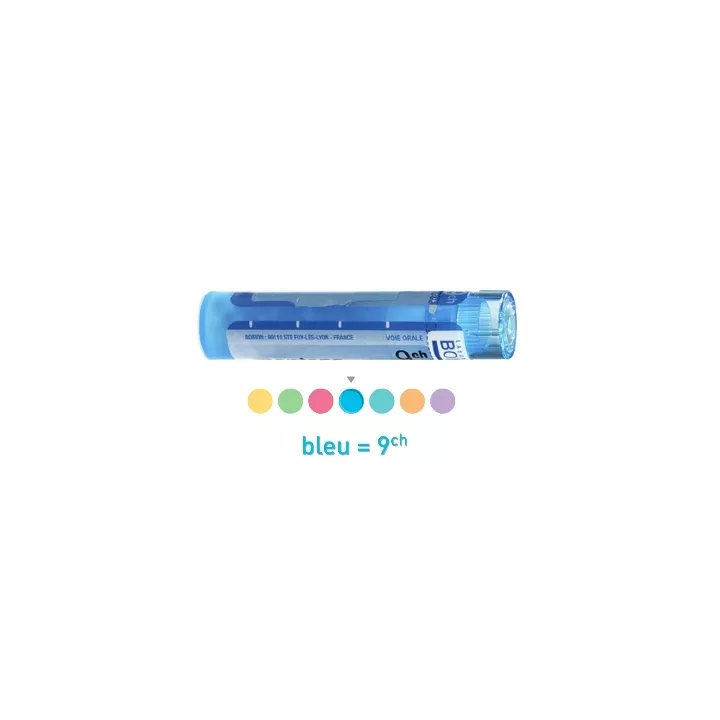
Translucent tube of granules. Weight: 4 g. Approximately 80 homeopathic granules of CENTAUREA CYANUS 4CH, 5CH, 7CH, 9CH.
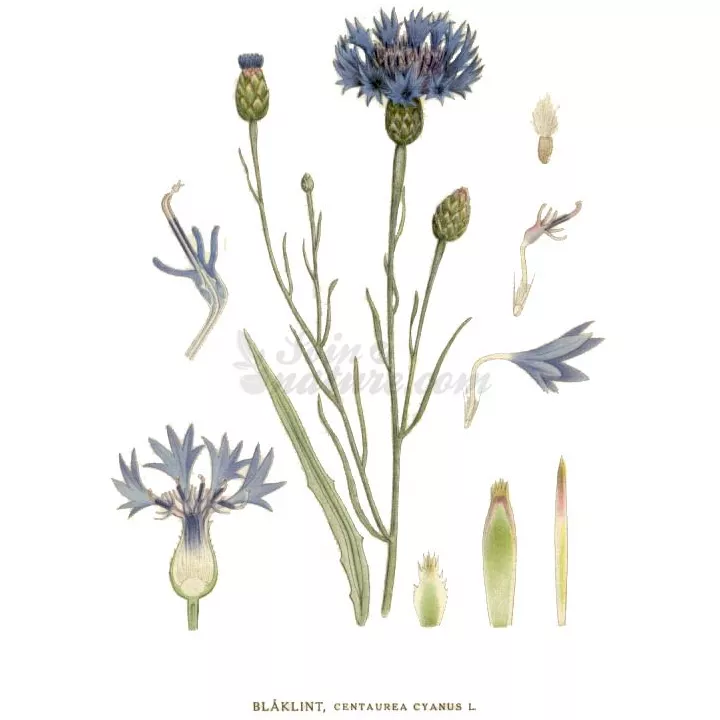
Centaurea cyanus, commonly known as cornflower, is a plant that has found its place in homeopathic practice due to its unique therapeutic properties. This homeopathic remedy, registered under number EH01414, is derived from a plant source and is available in various forms to meet patients’ individual needs.
Origin and Properties
The cornflower, with its distinctive vibrant blue flowers, is more than just a beauty of nature; it also contains components that are used in homeopathy for their beneficial effects on health. Used as part of a carefully controlled preparation, Centaurea cyanus is transformed into a homeopathic remedy designed to treat various conditions in accordance with homeopathic principles.
Availability and Forms
Centaurea cyanus is available in the first deliverable dilution of 3 CH, which indicates its concentration and potency within a homeopathic treatment. This availability in the initial dilution allows homeopathic practitioners to use it as a base for preparing personalized remedies tailored to patients’ specific symptoms and needs.
Compounded Preparations: Additionally, Cornflower is available in compounded preparations, allowing for Hahnemannian dilutions starting at 3 CH. This flexibility in dilutions gives homeopaths the ability to create customized remedies that precisely target the conditions being treated.
Therapeutic Applications
Although the specific uses of Centaurea cyanus in homeopathy may vary, the plant is traditionally recognized in herbal medicine for its soothing effects and anti-inflammatory properties. It can be used to address minor eye problems, such as irritation caused by eye strain, or for its beneficial effects on the skin.