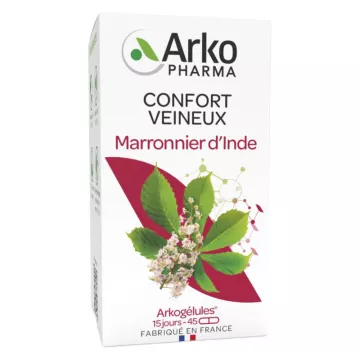
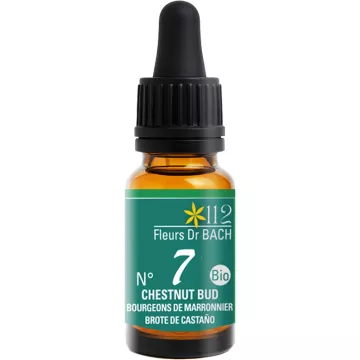
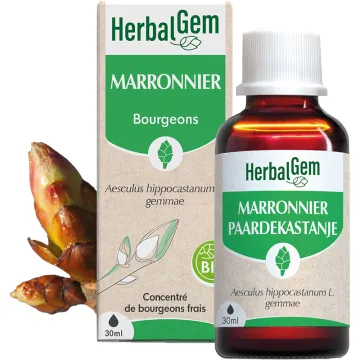
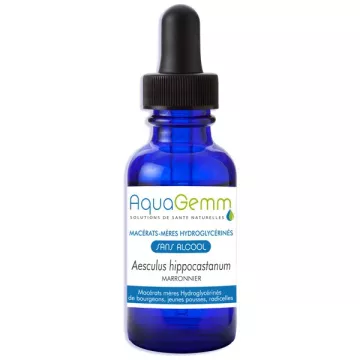
What is the horse chestnut tree?
The horse chestnut (Aesculus hippocastanum) is a large ornamental tree in the Sapindaceae family, native to the Balkans and widely planted in parks and along avenues throughout Europe. Growing to over 30 meters tall, it offers several parts that can be used in herbal medicine: its bark, leaves, flowers, and seeds. It is one of the oldest documented medicinal trees for treating venous conditions, with a history of use dating back at least to the 18th century in European medicine.
What are its recognized traditional uses?
The traditional uses of the horse chestnut cover the entire circulatory system:
Why are the bark and leaves venotonic?
The bark is rich in esculin and fraxin (coumarins), which have a photoprotective and toning effect on the vein walls, as well as in astringent tannins. The leaves provide flavonoids (quercetol, kaempferol) with antioxidant and capillary-protective effects. This natural pharmacopoeia complements that of the seeds, which are better known for their escin. The entire tree thus forms a coherent circulatory system, which explains the different uses of its parts depending on the intended purpose.
Which parts of the tree are usable?
Each part has its own specific use:
- Bark: traditional decoction, beneficial for microcirculation and lymphatic circulation;
- Leaves: an infusion with a veinotonic effect and mild antioxidant properties;
- Flowers: rarely used traditionally, though sometimes found in cosmetic lotions for skin prone to rosacea;
- Seeds (chestnuts): raw material for standardized escin extracts;
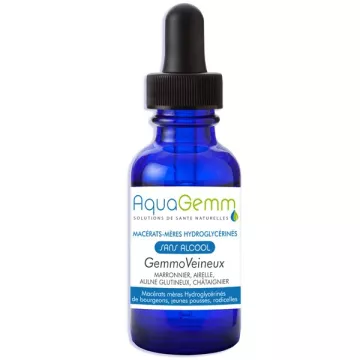
- Buds in gemmotherapy: used in glycerin macerates for the venous system.
How should it be used as a gel and for topical application?
Horse chestnut gel remains one of the most popular forms for immediate, targeted relief:
- Apply a small amount using an upward massage motion, from the ankle toward the thigh, morning and evening;
- Store the gel in the refrigerator to enhance its decongestant effect;
- Follow up with a cold shower on the legs at the end of the routine;
- For hemorrhoids: use only specifically formulated creams; never use raw extract;
- Avoid use on broken skin, open wounds, or active eczema.
Topical applicationnaturally complements internal use to maximize results.
Does horse chestnut provide local relief for hemorrhoids?
Yes, when applied topically using appropriate pharmaceutical preparations. The astringent tannins in the bark andthe escin derived from the seeds have a decongestant and toning effect on the hemorrhoidal venous plexuses. Application should always follow gentle cleansing of the area. Bleeding, severe pain, a persistent lump, or a fever warrant immediate medical attention.
What precautions should be taken with horse chestnuts?
- Never consume raw chestnuts: toxicity from unprocessed esculin;
- Contraindicated in cases ofsevere kidney or liver failure;
- Not recommended for pregnant or breastfeeding women or children under 12 years of age;
- Exercise caution when taking anticoagulants, antiplatelet agents, or hypoglycemic agents: a pharmacist’s advice is essential;
- Discontinue use 7 to 10 days before surgery;
- Possible side effects: mild digestive disturbances, itching, and, in rare cases, an allergic reaction;
- For topical use, test on a small area first if you have sensitive skin.
Which plants can be combined with horse chestnut?
Circulatory synergies are organized by objective:
- Red vine to enhance the veinotonic effect on blood circulation;
- Ash to combine drainage with joint comfort;
- Butcher’s broom for a complementary venous vasoconstrictive effect;
- Witch hazel and cypress for skin with fragile microcirculation;
- Bioflavonoids as an intensive treatment to strengthen capillary resistance.