What are hemorrhoids, and how do they form?
Hemorrhoids are normal vascular structures in the anorectal region—vascular cushions composed of blood vessels, connective tissue, and muscle fibers, present in every individual. Hemorrhoidal disease is only diagnosed when these cushions become dilated, congested, or prolapsed, causing symptoms. It is one of the most common proctological conditions (75% of the population experiences it at some point in their lives). Hemorrhoid care products are available in the store’s hemorrhoid product line.
- Internal hemorrhoids: above the pectinate line (insensitive rectal mucosa)—bleed (bright red rectal bleeding during bowel movements) but are generally painless—classified into 4 stages based on prolapse (I = no prolapse, IV = irreducible prolapse)—see hemorrhoidal flare-up
- External hemorrhoids: below the pectinate line (sensitive perianal skin)—painful, itchy—risk of external thrombosis (anal hematoma)—sudden intense pain, palpable blue swelling
- Main risk factors: chronic constipation and straining — chronic diarrhea — prolonged sitting — pregnancy (pelvic venous compression + progesterone) — obesity — sedentary lifestyle — low-fiber diet
What are the symptoms, and when should you see a doctor?
- Symptoms of hemorrhoids: rectal bleeding (bright red blood on toilet paper or in the toilet bowl, never mixed with stool — to be distinguished from upper rectal bleeding) — anal itching — burning and a sensation of heaviness — pain during bowel movements — hemorrhoidal prolapse (a lump protruding during straining)
- See a doctor (gastroenterologist or proctologist) if: rectal bleeding in anyone over 45 years of age or with colorectal risk factors (anoscopy or colonoscopy to rule out colorectal cancer) — heavy bleeding — sudden, severe anal pain (external thrombosis) — irreducible prolapse — persistent symptoms despite local treatments
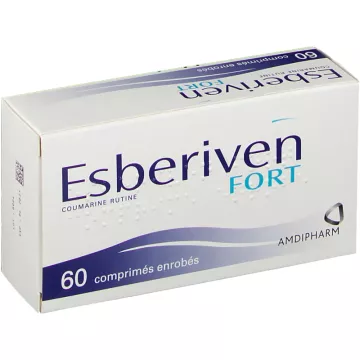
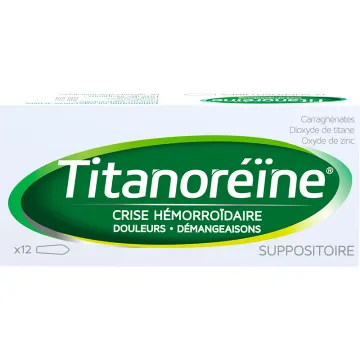
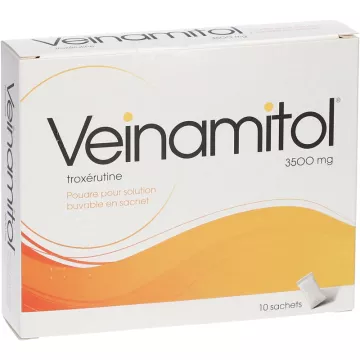
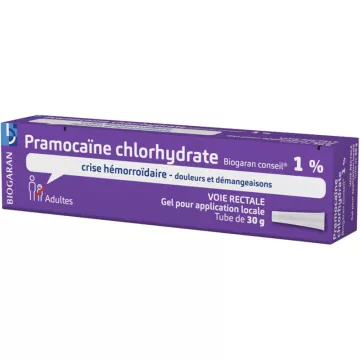
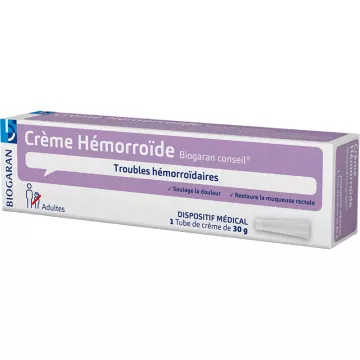
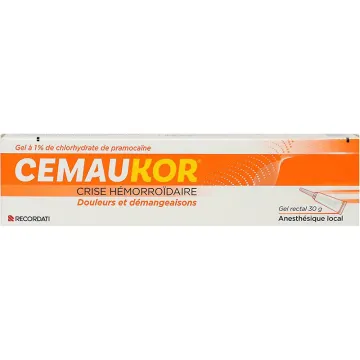
- Medical and surgical treatments: topical (creams, suppositories—corticosteroids + local anesthetics)—oral venotonics (diosmin, hesperidin)—elastic ligation (stage II–III internal hemorrhoids) — sclerotherapy — surgical hemorrhoidectomy (stage IV) — upon medical or proctological advice
Diet, Lifestyle, and Natural Supplements for Hemorrhoids
- Dietary fiber: increase intake to 25–30 g/day — softens stools — reduces straining — vegetables, fruits, legumes, whole grains — psyllium (Plantago ovata): a gel-forming mucilage that helps stools pass more easily — 1 to 3 teaspoons per day with a large glass of water — constipation range
- Hydration: at least 1.5 to 2 L/day — essential for softening stools and reducing straining
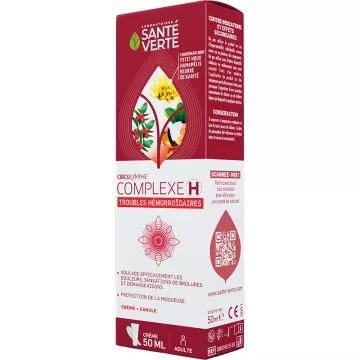
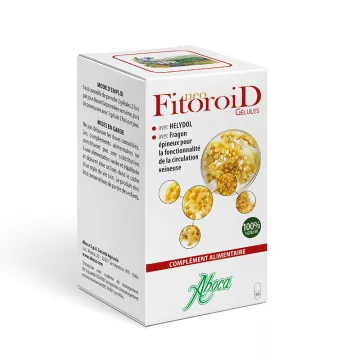
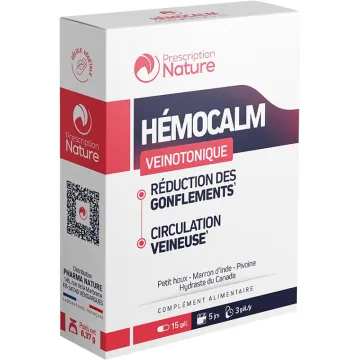
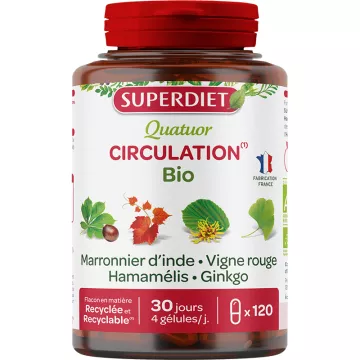
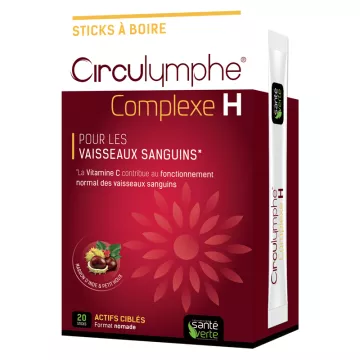
- Aescin (horse chestnut): veinotonic and vasoconstrictive—reduces inflammation and engorgement of the hemorrhoidal plexuses—well-established EMA—available as a topical gel or capsules—contraindicated with anticoagulants
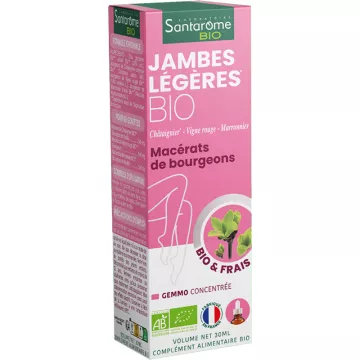
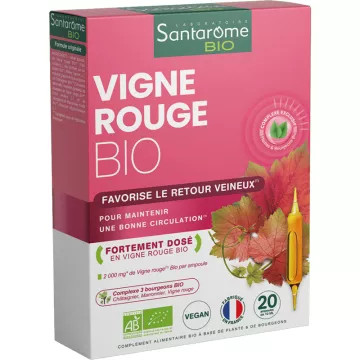
- Red vine: vasoprotective OPCs — strengthens vein walls — anorectal venous tone — well-established safety profile
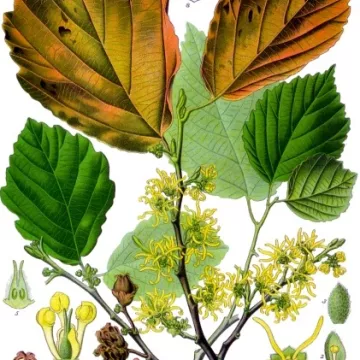
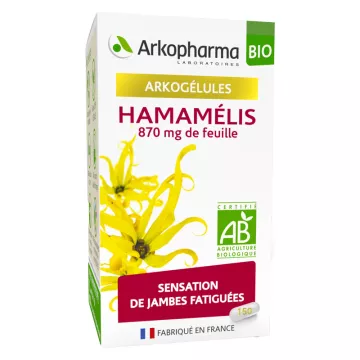
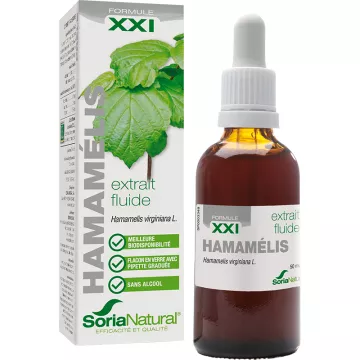
- Witch hazel: vasoconstrictive and anti-inflammatory tannins — available as a topical solution or cream — relieves itching, burning, and minor bleeding
- Warm sitz baths: 10 to 15 minutes, 2 to 3 times a day after a bowel movement — vasodilation promotes healing and soothes — plain warm water (without irritating substances)