What is a hemorrhoidal flare-up, and how does it manifest?
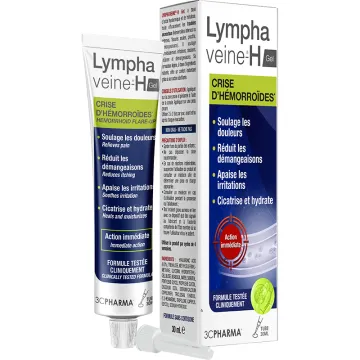
A hemorrhoidal flare-up is an acute episode of hemorrhoidal disease, characterized by severe pain, swelling, and/or bleeding in the anal region. It occurs when the hemorrhoidal vascular plexuses become congested or thrombosed—particularly during straining, constipation, diarrhea, or pregnancy. Hemorrhoid care products are available in the hemorrhoids and constipation sections of the store.
- External hemorrhoidal thrombosis: the most painful form—a blood clot forms in an external hemorrhoid—intense and sudden pain, a palpable, non-reducible blue-purple swelling—pain peaks within the first 48–72 hours, followed by spontaneous resolution within 1 to 2 weeks—in cases of very severe pain: removal of the clot may be performed during a proctology consultation
- Internal hemorrhoidal flare-up: hemorrhoidal prolapse (mucosal ring protruding during straining) — bright red bleeding during bowel movements — sensation of heaviness and burning — less painful than external thrombosis
- Triggers for an episode: constipation and prolonged straining — acute diarrhea — spicy foods or excessive alcohol — prolonged sitting (travel) — pregnancy (3rd trimester) — large meals
- See “Hemorrhoids” for a complete pathophysiology and underlying treatments
How can you quickly relieve a hemorrhoid flare-up?
- Local cold therapy (0–48 h): ice pack wrapped in a cloth—15 min, 3 to 4 times/day—vasoconstriction reduces congestion and pain—never apply directly to the anal mucosa
- Warm sitz baths: warm water at 36–38 °C — 15 to 20 minutes, 2 to 3 times a day — vasodilation helps relieve hemorrhoidal congestion — soothes itching and burning — add chamomile or witch hazel as an infusion to the water (anti-inflammatory)
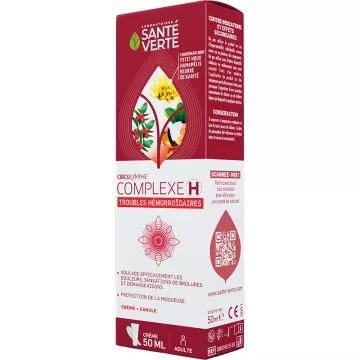
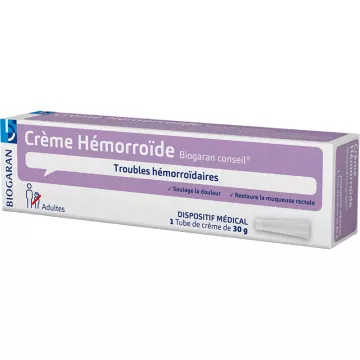
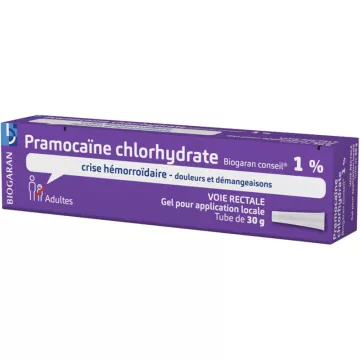
- Topical creams and suppositories: formulations combining corticosteroids and local anesthetics (lidocaine, cinchocaine) — rapid relief from pain and inflammation — use limited to 5–7 days (mucosal atrophy) — by medical or pharmaceutical advice
- Aloe vera: pure gel for topical application — anti-inflammatory and soothing to the mucous membrane — relief from itching and burning
- Virgin coconut oil: applied topically — mild anti-inflammatory and moisturizing properties — relief from perianal irritation
- Pain-relieving positioning: Avoid prolonged sitting—lie on your side to relieve pressure on the hemorrhoidal plexus—use a hemorrhoid cushion (ring) if sitting is unavoidable
Diet, lifestyle, and prevention of recurrent flare-ups
- Dietary fiber: 25 to 30 g/day — softens stools and reduces straining (the main triggering factor) — vegetables, fruits, legumes, whole grains — psyllium (Plantago ovata): mucilage that forms a lubricating gel — 1 to 3 teaspoons per day with 2 glasses of water — constipation range
- Hydration: 1.5 to 2 L/day — essential for dietary fiber to exert its softening effect
- Physical activity: walk 30 min/day — reduces pelvic venous stasis — improves bowel movement
- Consult a proctologist if: severe pain that does not respond to local treatments after 48–72 hours — heavy bleeding — irreducible prolapse — signs of infection (redness, warmth, fever, purulent discharge) — any rectal bleeding in a patient over 45 years of age (to rule out colorectal cancer)