What is thrombosis, and how does it develop?
Thrombosis is the formation of a blood clot (thrombus) inside a blood vessel, partially or completely blocking blood flow. It can occur in the venous system (venous thrombosis, including deep vein thrombosis—DVT) or the arterial system (arterial thrombosis—heart attack, stroke). DVT of the lower extremities is the most common form encountered in clinical practice. Venous care products are available in the varicose veins and heavy legs sections of the store.
- Virchow’s Triad (triggering mechanisms): venous stasis (slowed blood flow—prolonged immobilization, travel, bed rest)—endothelial injury (damaged vascular wall—surgery, trauma, catheter)—hypercoagulability (prothrombotic state—cancer, pregnancy, hereditary thrombophilia, oral contraceptives)
- Clinical forms: DVT of the lower extremities (calf or popliteofemoral—the most common) — DVT of the upper extremities — superficial thrombophlebitis — phlebitis (common term for DVT)
- Serious complication: pulmonary embolism —migration of the thrombus into the pulmonary arteries—an absolute medical emergency (call 15)—symptoms: sudden shortness of breath, chest pain, hemoptysis, tachycardia, syncope
What are the symptoms and risk factors for deep vein thrombosis?
- Symptoms of DVT: pain and tightness in the calf (Homans’ sign—pressure on the calf) — unilateral leg swelling — local redness and warmth — dilation of superficial veins — sometimes asymptomatic (asymptomatic DVT — diagnosis by Doppler ultrasound) — any suggestive signs → seek urgent medical attention
- Main risk factors: recent surgery (orthopedic, abdominal—high risk during the first 4 weeks) — prolonged immobilization (bed rest, cast, long trip > 4 hours) — active cancer (hypercoagulable state) — pregnancy and postpartum — estrogen-progestin oral contraceptives (risk increased 3- to 6-fold) — obesity (BMI > 30) — personal or family history of thrombosis — inherited thrombophilias (Factor V Leiden, prothrombin G20210A mutation)
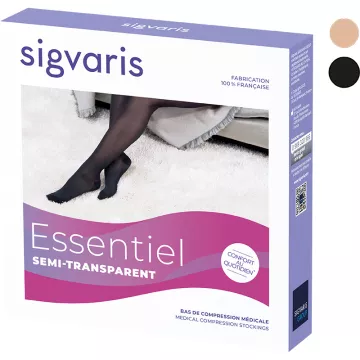
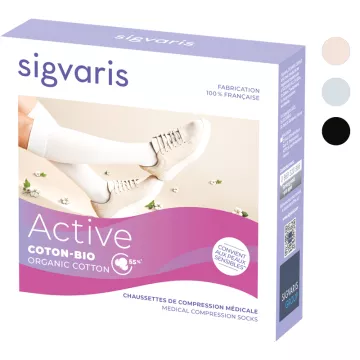
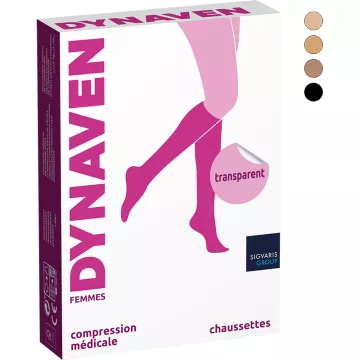
- During long trips: get up regularly every 2 hours — perform ankle flexion-extension exercises while seated — wear Class 1 or 2 compression stockings (as directed by a doctor) — stay well-hydrated — take prophylactic anticoagulants for high-risk patients (as prescribed by a doctor)
Medical Treatment and the Role of Vascular-Protective Herbs
The treatment of thrombosis is a medical matter—no dietary supplement treats or prevents an established thrombosis. Anticoagulants (heparin, DOACs: apixaban, rivaroxaban—vitamin K antagonists: warfarin) are prescribed, monitored, and adjusted by a doctor. Never modify, discontinue, or replace anticoagulant therapy without medical advice.
- Prevention through venous health: regular physical activity (walking 30 min/day—improves venous return)—weight loss if overweight—quitting smoking (Tobacco Info Service: 3989) — compression stockings in cases of chronic venous insufficiency or varicose veins
- Aescin (horse chestnut): proven venotonic and anti-edematous effects — improves venous tone and reduces capillary permeability — supports venous comfort in heavy legs — not to be confused with anticoagulant therapy — Contraindicated if currently undergoing anticoagulant therapy (potential interactions—seek medical advice)
- Red grapevine (Vitis vinifera): OPCs (proanthocyanidolic oligomers) — veinotonic and vasoprotective — reduces chronic venous insufficiency (heavy legs, edema) — EMA: well-established traditional use
- See also treatments for venous circulation — any episode of DVT or suspected DVT → medical emergency → do not self-treat; call 15 or go to the emergency room