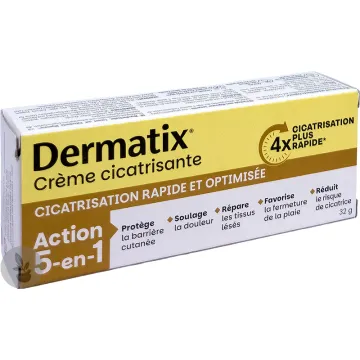
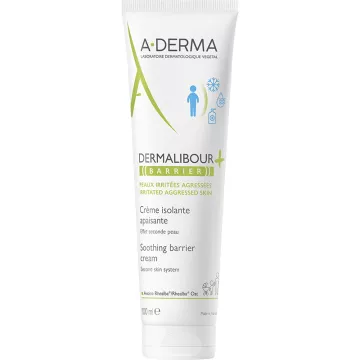
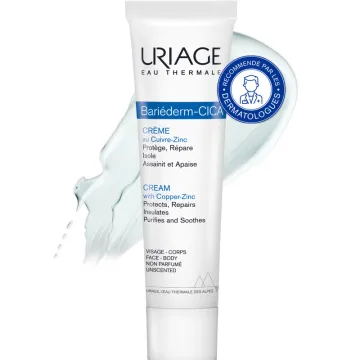
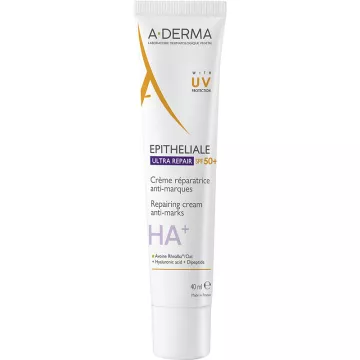
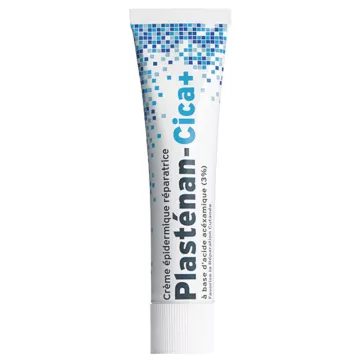
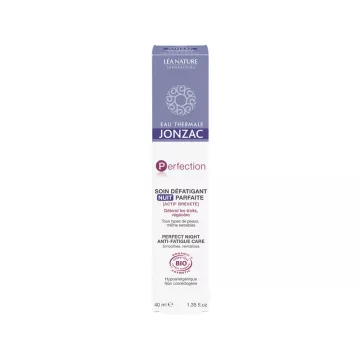
A skin lesion refers to any structural change in the skin—a breach in the epidermal barrier (wound, fissure, crack), local inflammation (eczema, contact dermatitis), or tissue destruction (burn, ulcer). The skin possesses a remarkable natural ability to regenerate: basal keratinocytes migrate toward the surface to rebuild the epidermis, fibroblasts synthesize new dermal collagen, and newly formed blood vessels revascularize the damaged area. This repair process is optimized by maintaining a moist environment, proper nutrition (protein, zinc, vitamin C), and the absence of infection. High-tolerance repair creams (free of irritating preservatives, fragrances, and dyes) are particularly suitable for inflammatory lesions and reactive skin that cannot tolerate standard emollients.
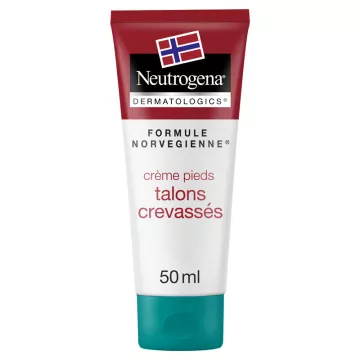
Cracked heels (rhagades) result from hyperkeratosis combined with dehydration—the thickened skin loses its elasticity and cracks under the pressure of body weight. Treatment involves two steps:
In cases of deep, bleeding cracks, a hydrocolloid dressing seals the wound and allows for moist healing. Prevention relies on daily moisturization of the feet and wearing shoes that fully enclose the heel.
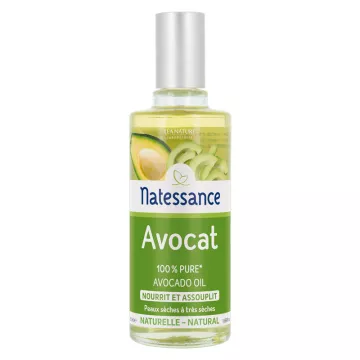
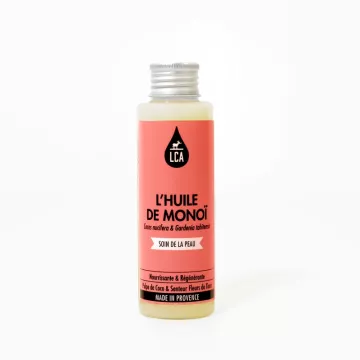
Barrier-repairing creams restore the damaged hydrolipidic film using several complementary active ingredients. Structural lipids (ceramides, cholesterol, and free fatty acids in a physiological 3:1:1 ratio) replace the intercuticular lipids lost during inflammation. Humectants (glycerin, urea, hyaluronic acid) draw water into the dermis and retain it in the epidermis. Film-forming active ingredients (dimethicone, zinc oxide, dexpanthenol) form a protective layer that isolates the lesion from environmental irritants.Argan oil (oleic acid, vitamin E) is a natural restorative ingredient that penetrates the stratum corneum and supports lipid regeneration in the skin barrier.
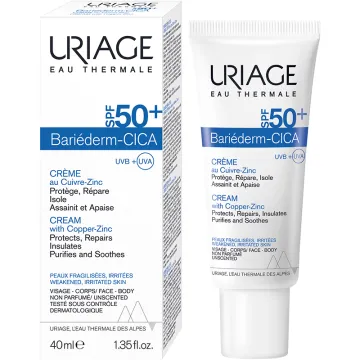
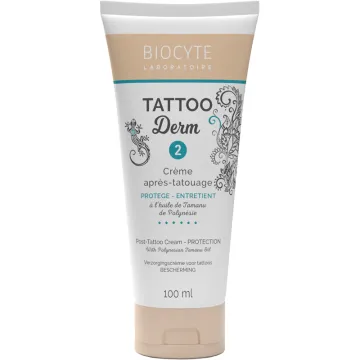
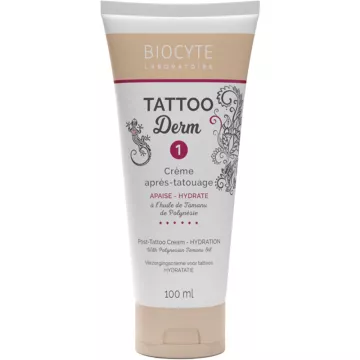
A recent tattoo is an artificial skin lesion—the needle creates micro-perforations in the dermis to deposit pigments. The healing process (4 to 6 weeks) requires: gentle cleansing with a superfatted soap twice a day, patting dry (never rubbing), and applying a thin layer of a hypoallergenic restorative balm (fragrance-free, dye-free) 3 to 4 times a day. Avoid the sun, the ocean, the pool, and the bathtub throughout the entire healing process. An SPF 50+ repair cream protects healed tattoos from UV rays, which gradually break down the pigments.
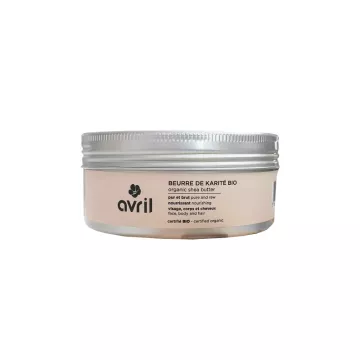
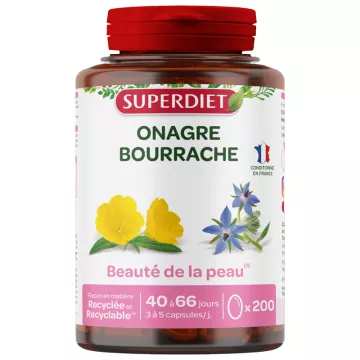
Skin damaged by a skin allergy or eczema has a structurally compromised skin barrier—repair involves two steps: treatment of the acute inflammatory phase (prescription-only topical corticosteroids or immunomodulators), followed by restoration of the skin barrier with rich emollients once the flare-up is under control. The “sausage-rolling” technique (applying large amounts of emollient immediately after bathing, while the skin is still slightly damp) is the most effective method for sealing moisture into the epidermis. Evening primrose oil, borage oil, shea butter, and synthetic lipids (ceramides) reduce the frequency and severity of eczema flare-ups over the long term.
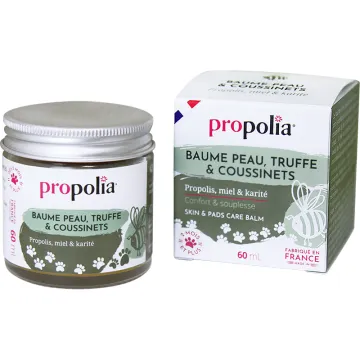
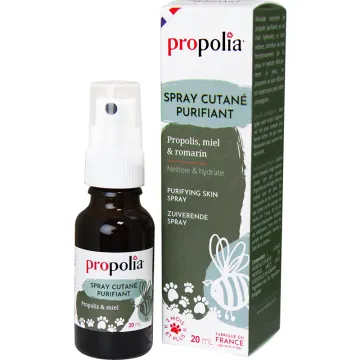
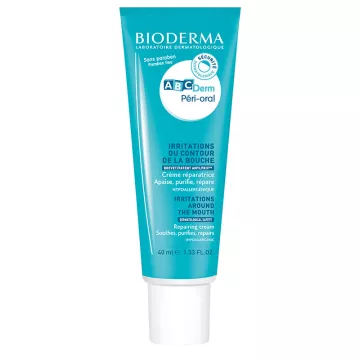
The perioral areas (around the mouth, cheeks, and chin in infants and adults prone to facial itching or irritating shaving creams) are particularly susceptible to mechanical and chemical irritation. Repairing perioral creams (Bioderma ABCDerm Péri-Oral) are formulated to withstand repeated contact with saliva, food, and water—their adhesive texture forms a long-lasting protective film even on areas subject to movement. Propolis (an antimicrobial resin produced by bees) and aloe vera are two key active ingredients for animal creams and irritated areas in adults—their anti-inflammatory and healing properties are well documented. Daily application to at-risk areas (perioral, perinasal, skin folds) prevents the development of maceration lesions before they worsen. Perioral psoriasis lesions are particularly delicate—a dermatologist’s consultation is recommended before applying any topical treatment to these sensitive areas.