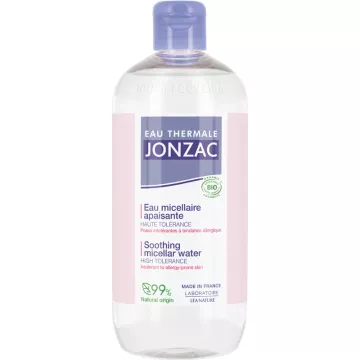
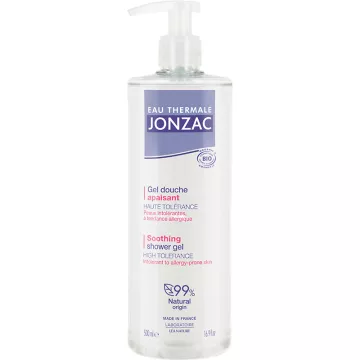
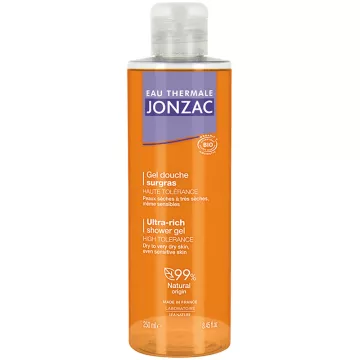
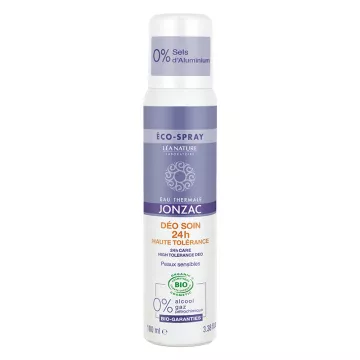
What is a high-tolerance skincare product?
The “high-tolerance” label refers to a category of dermo-cosmetic products that meet strict pharmaceutical standards and are designed for the most sensitive skin—chronic eczema, atopic dermatitis, post-dermatological treatments, post-cosmetic procedures, and intolerant skin. Developed in French pharmaceutical laboratories in the late 1980s, this label goes beyond simply being “hypoallergenic”: it requires a minimalist formulation, traceability of every ingredient, the absence of major known allergens, and enhanced clinical testing, including tests on skin with medical conditions.
Which pharmaceutical brands created it?
Several iconic product lines have set the label’s standards, all developed in pharmacies and based on thermal waters with scientifically proven properties:
- Avène Tolérance Extrême, based on thermal water from Avène-les-Bains;
- La Roche-Posay Toleriane, based on thermal water from La Roche-Posay;
- Uriage Tolérance, featuring thermal water from Uriage-les-Bains;
- Eucerin Ultrasensitive, a dedicated line from the German laboratory Beiersdorf;
- Bioderma Sensibio, based on D.A.F. (Dermatological Advanced Formulation) technology.
These product lines are regularly evaluated in dermatological practice and remain the go-to choices prescribed by specialists.
What formulation criteria does this label adhere to?
The high-tolerance specifications impose several requirements:
- A short INCI list (often fewer than 10 to 15 ingredients);
- Fragrance-free (the most common allergen in cosmetics);
- Free of problematic preservatives (methylisothiazolinone, phenoxyethanol, long-chain parabens)—or alternative systems (sterile packaging);
- Free of alcohol with a drying effect;
- Free of harsh sulfates (SLS, SLES) in cleansers;
- Free of dyes;
- Sterile and airless packaging (single-dose tubes, airless bottles, ampoules) for highly purified formulas;
- Formulation water sourced from a traceable and studied thermal spring;
- Clinically tested under dermatological and pediatric supervision.
For which skin types are these products designed?
The primary indications cover several skin conditions:
- Atopic dermatitis for use between flare-ups;
- Chronic eczema and conditions prone to contact allergies;
- Persistent redness and stabilized rosacea;
- Infant skin, skin of pregnant women, and skin of seniors;
- Post-laser, post-chemical peel, and post-skin radiation therapy;
- Patients undergoing chemotherapy or targeted therapies with skin involvement;
- Skin that has developed reactions to multiple cosmetics and is seeking stability;
- People with multiple identified contact allergies (nickel, fragrances, preservatives).
What skincare routine should you follow with these product lines?
The typical routine follows the line’s philosophy: minimalism.
- Morning and evening: ultra-gentle cleanser (micellar water, leave-on milk, cleansing fluid);
- Thermal water mist as the final step or midway through the routine to soothe;
- High-tolerance hyaluronic acidserum on dehydrated areas;
- Repairing barrier cream or emulsion morning and night;
- Mineralsunscreen SPF 30 to 50 specifically formulated for ultra-sensitive skin, every morning;
- No exfoliants, no cleansing masks, and no concentrated active ingredients in your routine;
- Apply a healing balm as needed to chafed or very dry areas.
What are some typical active ingredients found in these products?
The key active ingredients in high-tolerance formulations:
- Thermal waters (Avène, La Roche-Posay, Uriage, Vichy) rich in soothing trace minerals;
- Biomimetic ceramides to restore the skin barrier;
- Niacinamide (vitamin B3) in measured doses;
- Plant-based glycerin and panthenol (vitamin B5);
- Plant-based squalane (derived from olives);
- Shea butter and high-quality plant-based oils (jojoba, sweet almond);
- Proprietary soothing ingredients specific to each laboratory (Avène Sterol™, Bioderma D.A.F.™, etc.).
How do they differ from hypoallergenic products?
The distinction is important but often misunderstood. The “hypoallergenic” label is a self-declaration by the manufacturer indicating a reduction in known allergens in the formula—without a common regulatory framework. The “high tolerance” label, on the other hand, goes beyond mere reduction: it requires a comprehensive pharmaceutical formulation protocol, clinical testing on pathological skin, full traceability, and often sterile packaging. This is the difference between a “less” (fewer allergens) and a “more” (a rigorous and verifiable framework). For the most sensitive skin, “high tolerance” offers superior assurance.
When should you see a dermatologist?
A consultation is necessary for:
- Persistent skin reactions despite the use of high-tolerance skincare products;
- Suspected contact allergy requiring precise identification (patch tests);
- Suspected underlying chronic dermatological condition;
- Worsening symptoms or the appearance of sores;
- Establishment of a follow-up plan tailored to the individual’s reactivity profile.
The community pharmacist remains the primary point of contact for recommending the product lines best suited to each individual’s skin profile and providing guidance on daily skincare routines, in coordination with dermatological follow-up.