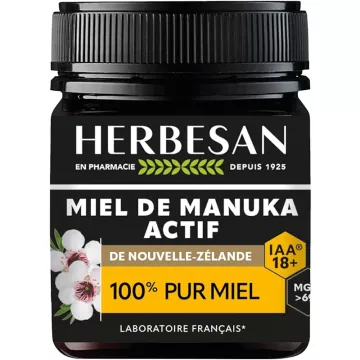
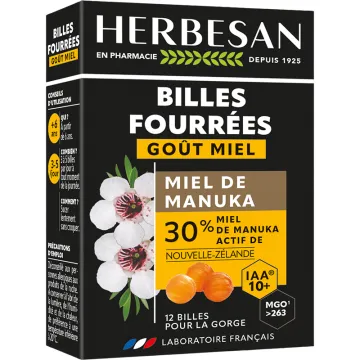
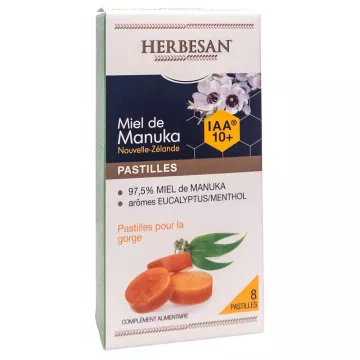
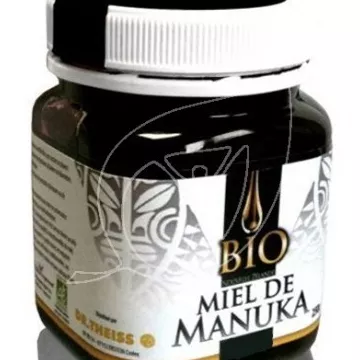
Manuka (Leptospermum scoparium) is a shrub in the Myrtaceae family native to New Zealand, whose flowers are pollinated by bees to produce a honey with exceptional antibacterial properties. What sets it apart is the presence of methylglyoxal (MGO), which is stable when heated or diluted, unlike the hydrogen peroxide found in ordinary honeys. There are several quality indices: the IAA (Antibacterial Activity Index, tested on S. aureus), the MGO (direct measurement in mg/kg), the UMF (New Zealand multi-parameter standard), and the KFactor (pollen purity, less commonly used in medical contexts).Aloe vera and manuka honey form a classic synergistic combination in skincare—aloe provides hydration and a soothing effect, while manuka offers long-lasting antibacterial activity.
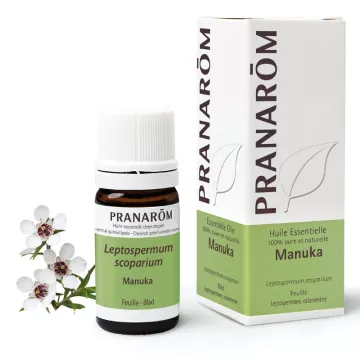
Manuka essential oil (distilled from the leaves and twigs of Leptospermum scoparium) is radically different from honey—it contains β-triketones (leptospermon, flavesone, iso-leptospermon)—which give it powerful antifungal activity, superior to that of tea tree oil against many strains of dermatophytes and yeasts. Manuka essential oil belongs to the same Myrtaceae family aseucalyptus, tea tree, and niaouli—all known for their anti-infectious properties. It is used diluted (1–5% in a carrier oil) as a topical treatment for fungal infections, eczema, and irritated skin. Its woody, earthy scent is more easily tolerated than pure tea tree oil.
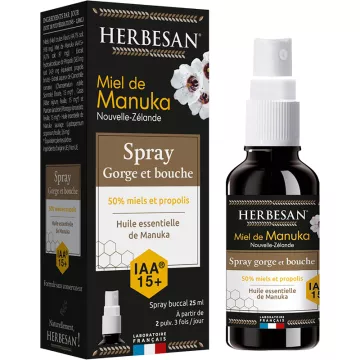
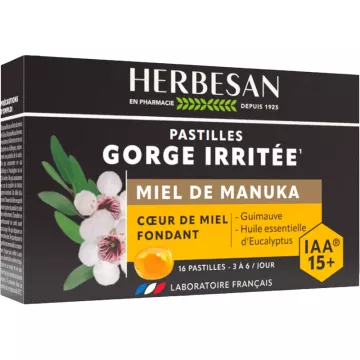
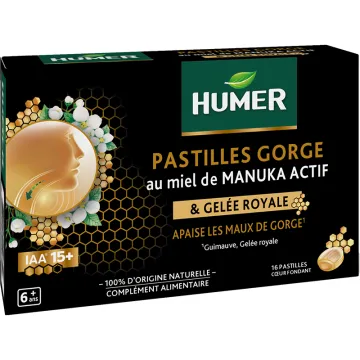
IAA 15+ manuka honey is particularly well-suited for oral and throat care—its viscosity and antibacterial activity against Streptococcus pyogenes and S. aureus make it an ideal active ingredient for sore throats and loss of voice. Slow-dissolving lozenges maintain a protective film on the mucous membranes for 10 to 15 minutes. IAA 15+ manuka honey toothpaste is effective against Streptococcus mutans (the main cause of cavities) and soothes sensitive gums. Lavender is often included in organic oral care formulas for its pleasant aroma and mild, complementary antiseptic properties.
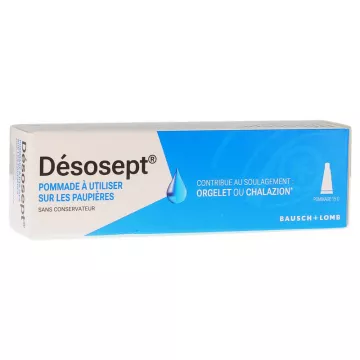
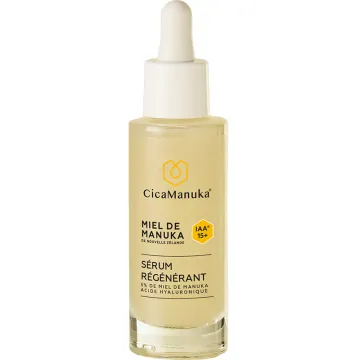
The IAA 15+ Manuka Honey Regenerating Serum combines the antibacterial activity of honey, its wound-healing effects (stimulation of fibroblasts, epidermal proliferation) with the moisturizing properties of aloe vera—recommended for recent scars, superficial burns, and severely damaged skin. The manuka honey-based ophthalmic ointment is used for the topical treatment of styes and chalazions (bacterial infections of the eyelid follicle caused by Staphylococcus aureus). Turmeric (curcumin, a powerful anti-inflammatory) enhances the healing effect of manuka in advanced skincare formulations.
The choice of AHA or MGO rating depends on the therapeutic indication:
Ginkgo biloba (flavonoids, terpenes, antioxidants, and vascular benefits) is a complementary active ingredient to manuka in certain anti-aging skincare formulas due to its effect on skin microcirculation.
Manuka honey has a specific effect on dental biofilm—its antibacterial compounds (MGO, methylglyoxal) inhibit the formation of biofilm by Streptococcus mutans and Porphyromonas gingivalis, two of the main pathogens responsible for cavities and periodontal disease. Manuka honey toothpastes (IAA 15+, certified organic) replace conventional chemical antibacterial agents (triclosan, chlorhexidine) with a natural, broad-spectrum active ingredient. Rinsing with diluted manuka honey (a few grams in warm water) reduces the oral bacterial load and soothes the mucous membranes in cases of stomatitis, canker sores, or recent dental surgery. St. John’s wort in oil macerate (hypericin, hyperforin) is a skin-healing active ingredient that complements manuka—St. John’s wort provides anti-inflammatory benefits while manuka offers antibacterial properties, and the two work synergistically on difficult-to-heal wounds and skin lesions.