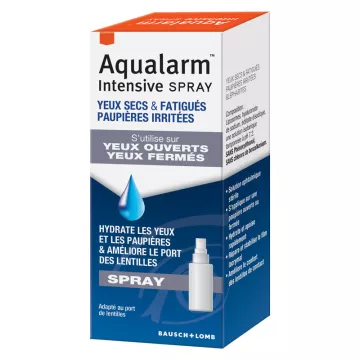
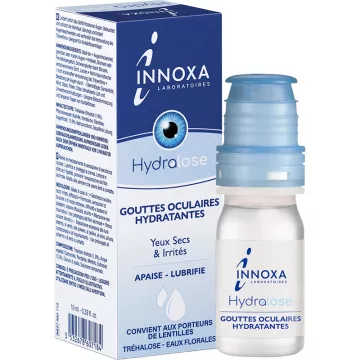
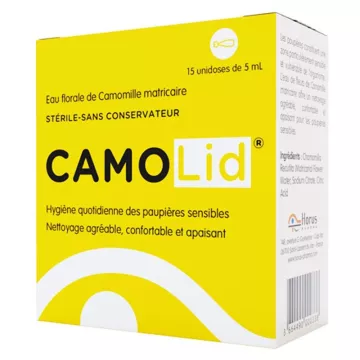

Dry eye syndrome was redefined in 2017 by DEWS II as a multifactorial disease causing tear film instability, hyperosmolarity, inflammation, epithelial damage, and neurosensory abnormalities. Two main forms coexist. Aqueous deficiency dry eye (ADDE) results from insufficient tear production—Sjögren’s syndrome is the most severe form of this condition. Evaporative dry eye (EDE) is the most common (80% of cases)—it results from Meibomian gland dysfunction (MGD), which compromises the lipid layer of the tear film. This distinction is fundamental: aqueous tears do not affect MGD, which requires lipid emollients or omega-3 fatty acids.
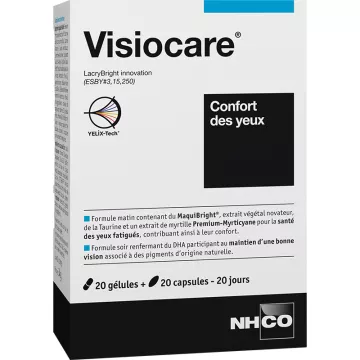
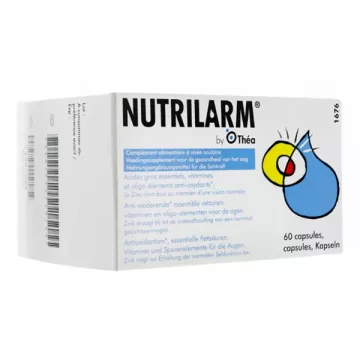
DHA (docosahexaenoic acid) is the most abundant fatty acid in the phospholipids of Meibomian secretions. A deficiency in DHA alters the fluidity of meibum, making it more viscous and less spreadable across the ocular surface. Supplementation (1 to 2 g/day with EPA) improves the composition and fluidity of meibum, according to studies by Oleñik et al. (2013, 2014) on patients with MGD and evaporative dry eye—the maximum effect is achieved after 3 to 6 months of continuous supplementation.
Lacrimal hyperosmolarity (>316 mOsm/L) is the central mechanism of corneal damage in dry eye—it causes apoptosis of corneal epithelial cells and exacerbates the vicious cycle. Taurine (200 to 500 mg/day) is the natural intracellular osmoprotectant of corneal epithelial cells—it accumulates in cells exposed to hyperosmolarity to maintain their volume and survival. In vitro studies confirm a reduction in corneal apoptosis when exposed to experimental hyperosmolarity (320–350 mOsm/L).
Anthocyanins from blackcurrants (Ribes nigrum, 25% standardized extract, 150–300 mg/day) improve microcirculation in the peri-acinar capillaries of the lacrimal glands. By strengthening endothelial tight junctions and inhibiting the degradation of the perivascular matrix, they improve the delivery of nutrients to tear-secreting cells. The study by Nakaishi et al. (2000) shows an improvement in tear production and visual comfort after 4 weeks of supplementation in subjects with eye strain and mild dryness.
Paradoxical tearing is one of the most confusing signs of dry eyes—the eyes tear despite being dry. Chronic irritation of the dehydrated cornea triggers profuse but poor-quality reflex tearing (low in mucins and lipids). The distinction is made using the Schirmer test (≥ 10 mm in 5 minutes = normal production) and the TBUT (tear film break-up time, ≥ 10 seconds = stable film). A normal Schirmer test result combined with a short TBUT confirms evaporative dry eye (EDE/MGD).
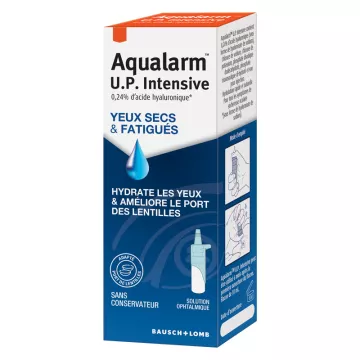
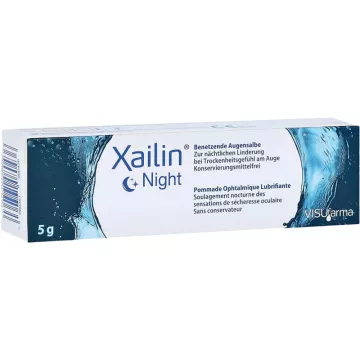
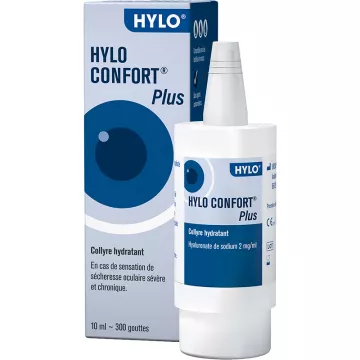
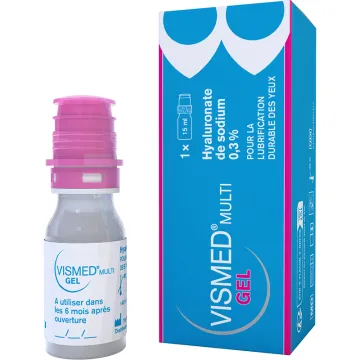
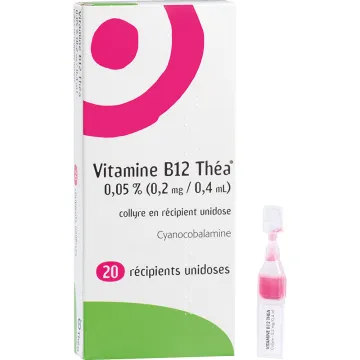
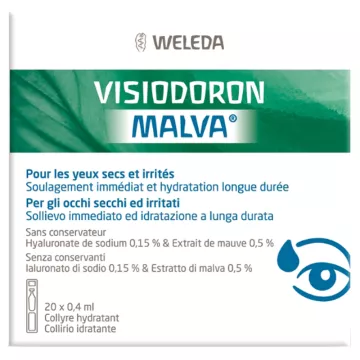
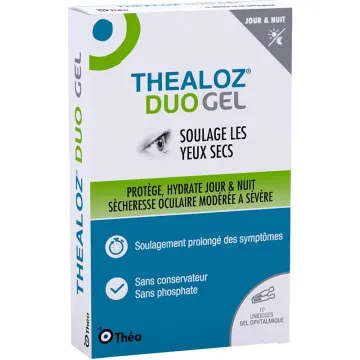
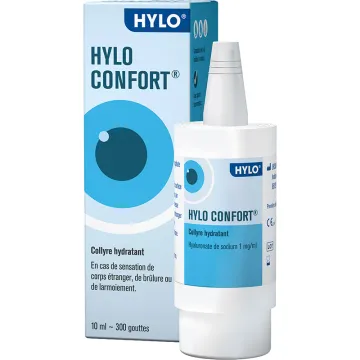
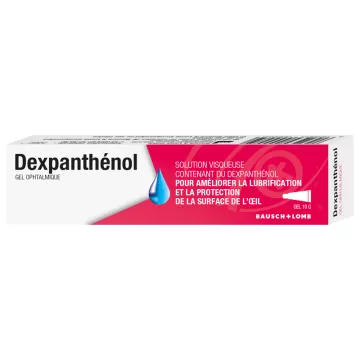
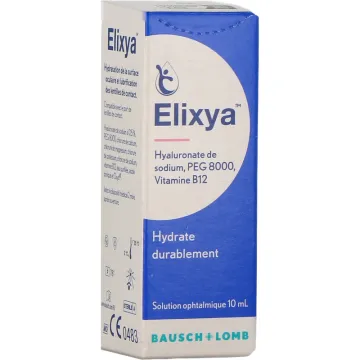
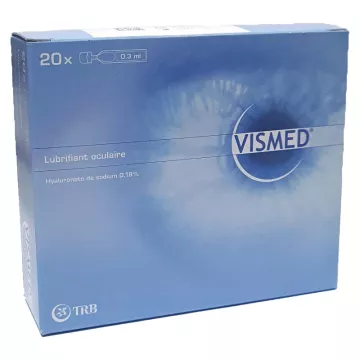
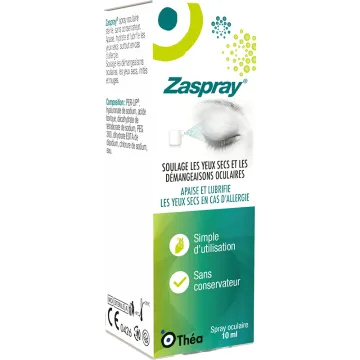
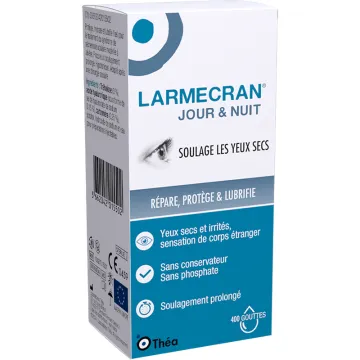
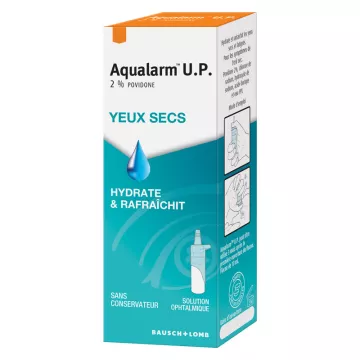
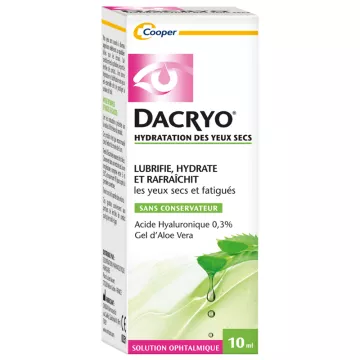
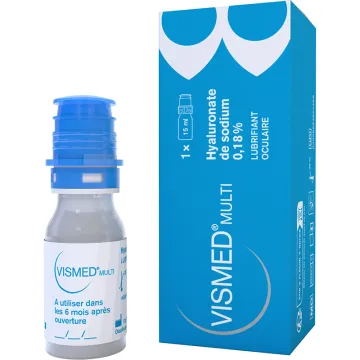
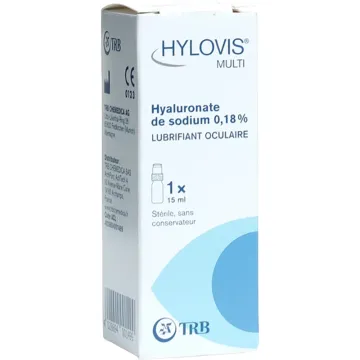
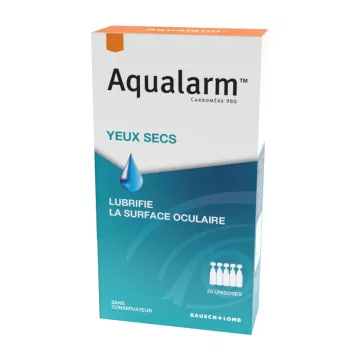
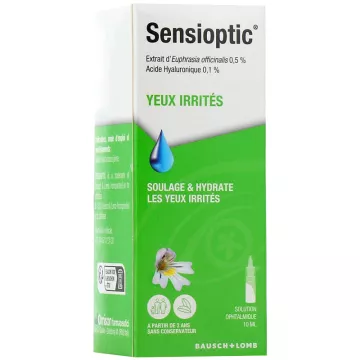
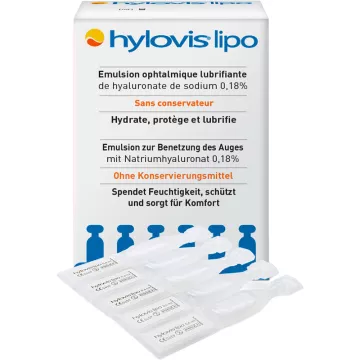
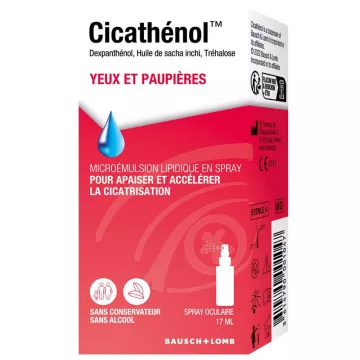
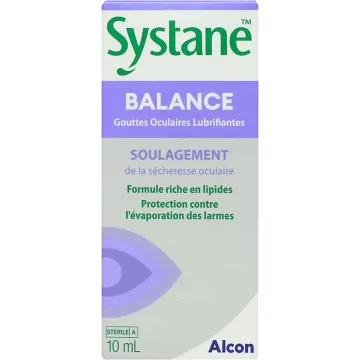
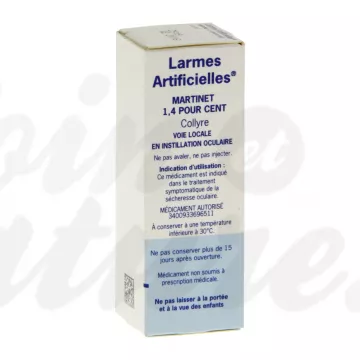
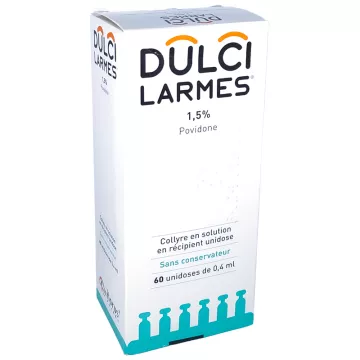
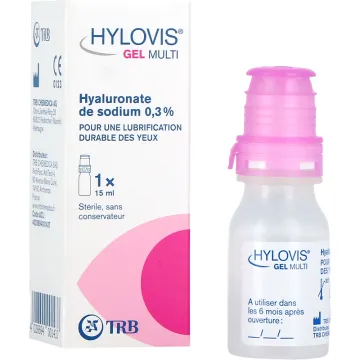
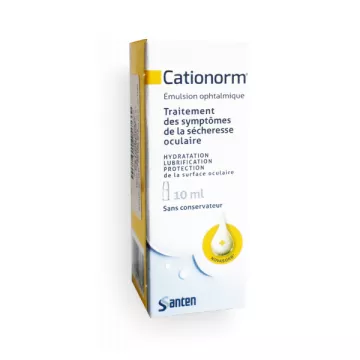
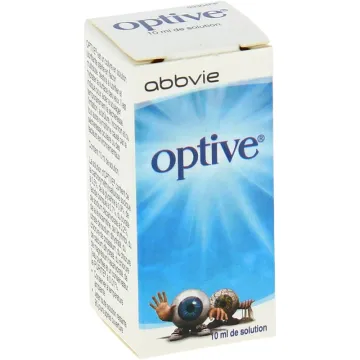
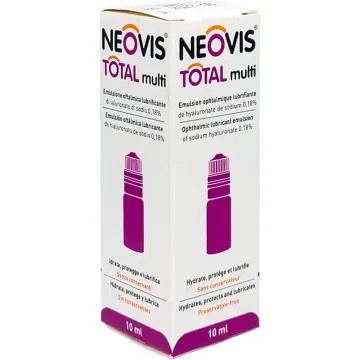
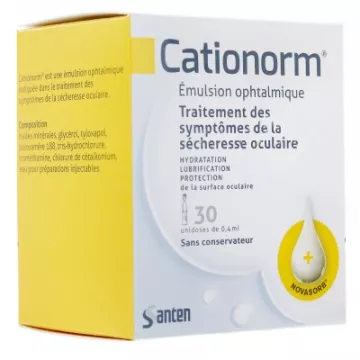
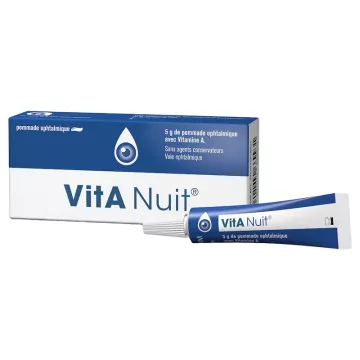
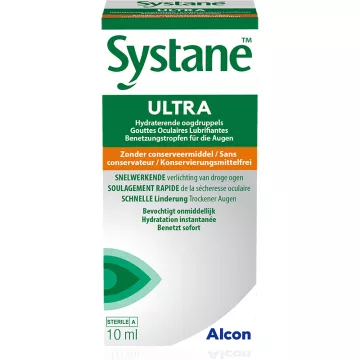
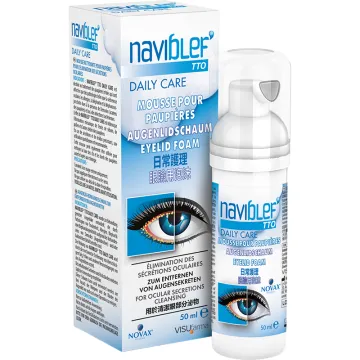
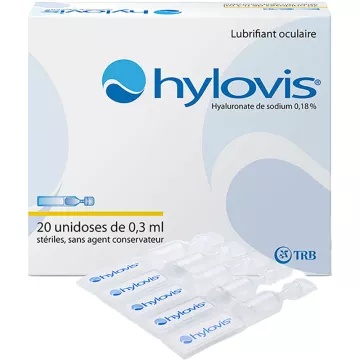
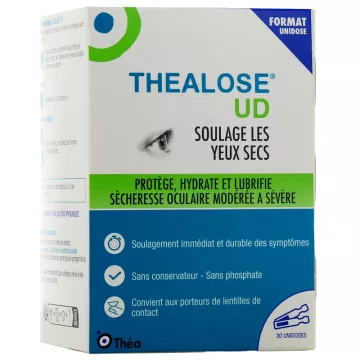
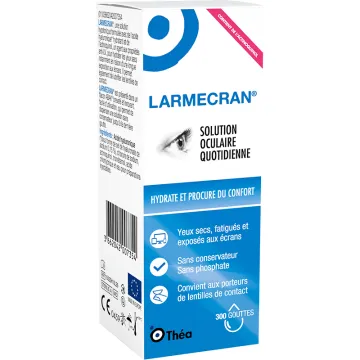
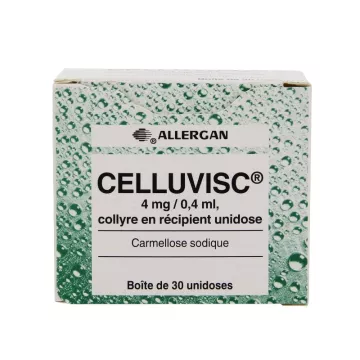
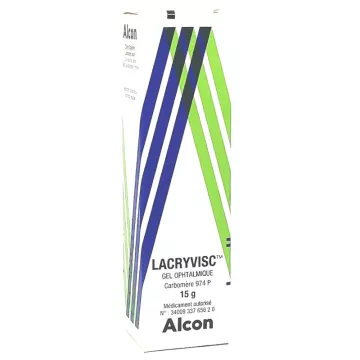
Aqueous dry eye (ADDE): Choose high-viscosity tears (high-molecular-weight AH > 1 MDa, carbomer) that remain in contact with the ocular surface longer. Evaporative dry eye (EDE/MGD): emulsions containing a lipid phase (TPGS, phospholipids) replenish the deficient lipid layer. Formulations without BKC (benzalkonium chloride) are recommended for frequent users (>4 applications per day). Overall ocular comfort and vision improve with nighttime gels (carbomer or paraffin) to stabilize the tear film during sleep.