NOTICE
ANSM - Updated on : 21/09/2023
Product name
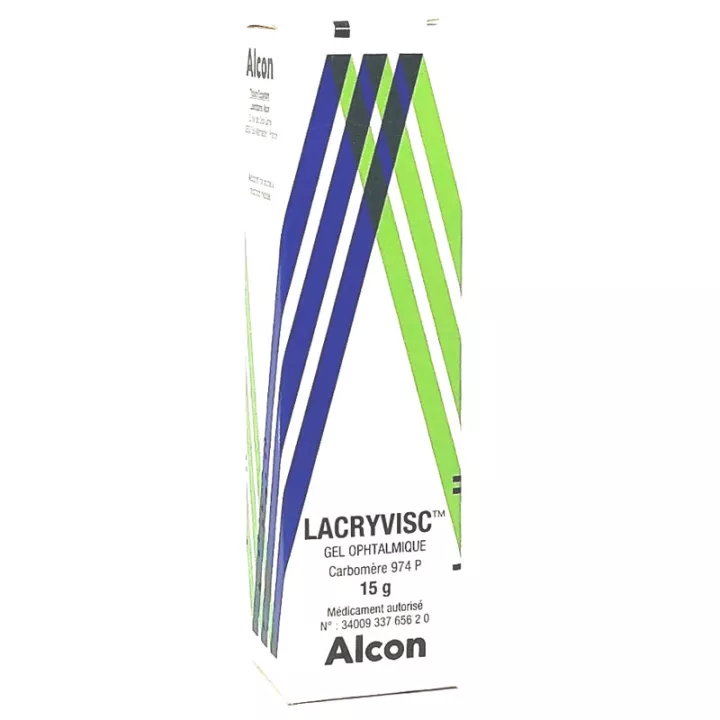
LACRYVISC, ophthalmic gel
Carbomer 974 P
Box
Please read this leaflet carefully before using this medicine, as it contains important information for you.
Always use this medicine exactly as it is described in this leaflet or by your doctor or pharmacist.
- Keep this leaflet. You may need to read it again.
- Ask your pharmacist for any advice or information you may need.
- If you experience any side effects, talk to your doctor or pharmacist. This also applies to any side effects not mentioned in this leaflet. See section 4.
- You should contact your doctor if you do not feel any improvement or if you feel less well after a few days of treatment.
What does this leaflet contain?
1. What is LACRYVISC ophthalmic gel and what is it used for?
2. What do I need to know before using LACRYVISC, ophthalmic gel?
3. How should LACRYVISC ophthalmic gel be used?
4. What are the possible side effects?
5. How should LACRYVISC ophthalmic gel be stored?
6. Package contents and other information.
1. WHAT IS LACRYVISC, ophthalmic gel AND WHAT IS IT USED FOR?
Pharmacotherapeutic class: tear substitute - ATC code: S01XA20.
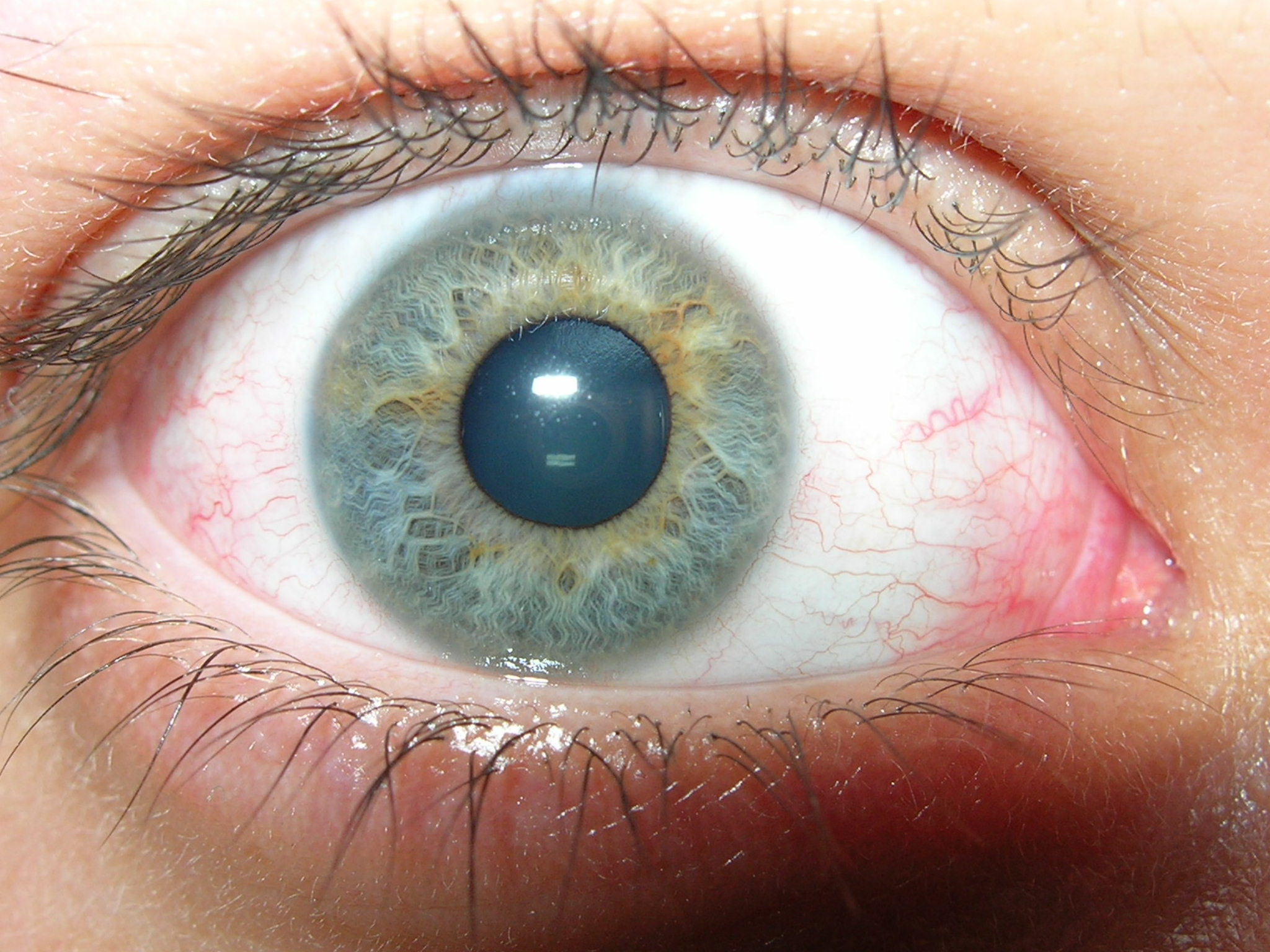
This ophthalmic gel is indicated for the symptomatic treatment of dry eyes.
You should consult your doctor if you do not feel any improvement or if you feel less well after a few days of treatment.
2. WHAT DO I HAVE TO KNOW BEFORE USING LACRYVISC, ophthalmic gel?
Never use LACRYVISC, ophthalmic gel:
- if you are allergic to carbomer 974 P or to any of the other ingredients of this product, as listed in section 6.
IF IN DOUBT, ASK YOUR DOCTOR OR PHARMACIST FOR ADVICE.
Warnings and precautions
Talk to your doctor or pharmacist before using LACRYVISC, ophthalmic gel.
Special warnings
Use LACRYVISC, ophthalmic gel only in the eyes.
Do not swallow or inject this product.
Wash hands thoroughly before use.
Do not touch the eye or any other surface with the tip of the tube, to avoid the risk of contaminating the gel and injuring the eye.
Carefully recap the tube after use.
Benzalkonium chloride
This medicine contains 0.001 mg benzalkonium chloride per dose, equivalent to 0.05 mg/g.
Benzalkonium chloride can be absorbed by soft contact lenses and change their color. Remove contact lenses before application and wait at least 15 minutes before reinserting them.
Benzalkonium chloride may also cause eye irritation, especially if you suffer from dry eye syndrome or corneal disorders (clear coating on the front of the eye). In the event of abnormal sensation, tingling or pain in the eyes after using this medication, contact your doctor.
Precautions for use
If you are taking other medications, see "Other drugs and LACRYVISC, ophthalmic gel".
If you experience eye pain, blurred vision, eye irritation or persistent redness of the eye, or if these symptoms persist or worsen, stop using LACRYVISC, ophthalmic gel and CONSULT A PHYSICIAN OR OPHTALMOLOGIST to adjust your treatment.
Children and adolescents up to 18 years of age
The safety and efficacy of LACRYVISC ophthalmic gel in children and adolescents, at the dosage recommended for adults, has been established by clinical experience, but no clinical study data are available.
IF IN DOUBT, ASK YOUR DOCTOR OR PHARMACIST FOR ADVICE.
Other medicines and LACRYVISC, ophthalmic gel
Tell your doctor or pharmacist if you are taking, have recently taken or may take any other medicines.
If you are taking another eye drop, ointment or ophthalmic gel at the same time, wait at least 5 minutes between instillations. Ophthalmic ointments or gels should be instilled last.
As LACRYVISC ophthalmic gel may delay the penetration of other drugs, it should always be instilled last.
LACRYVISC ophthalmic gel with food and drink
Not applicable.
Pregnancy and breast-feeding
Due to negligible systemic exposure, no effect of LACRYVISC, ophthalmic gel is expected during pregnancy and lactation.
Under normal conditions of use, LACRYVISC ophthalmic gel can be used during pregnancy and lactation.
If you are pregnant or breastfeeding, think you may be pregnant or are planning to become pregnant, ask your doctor or pharmacistfor advice before taking this medicine.
Driving and using machines
After instilling ophthalmic gel, your vision may be blurred and you may feel a tingling sensation.
In this case, you should wait until the symptoms have disappeared before driving a vehicle or operating machinery.
LACRYVISC, ophthalmic gel contains benzalkonium chloride.
3. HOW DO I USE LACRYVISC, ophthalmic gel?
Always use this medicine exactly as instructed in this leaflet or as directed by your doctor or pharmacist. Check with your doctor or pharmacist if in doubt.
DOSAGE AND FREQUENCY OF ADMINISTRATION
The recommended dose is, on average, 1 drop, 2 to 4 times a day.
Spread the 2 to 4 instillations over the course of the day, when eye problems (dryness, burning, itching) are felt.
Use in children and adolescents up to 18 years of age
The safety and efficacy of LACRYVISC ophthalmic gel in children and adolescents, at the dosage recommended for adults, has been established by clinical experience, but no clinical study data are available.
MODE AND ROUTE OF ADMINISTRATION
Local route (ophthalmic route).
IN THE EYES (Use only in the eyes).
- Wash hands thoroughly before application.
- Place a drop of ophthalmic gel in the inner corner of the eye, looking upwards and pulling the lower eyelid slightly downwards.
- Gently close your eyes to distribute the gel over the surface of the eye.
- Do not touch the eye with the nozzle.
- Close the tube after use.
DURATION OF TREATMENT
If problems persist or worsen, consult an ophthalmologist to adjust your treatment.
If you have used more LACRYVISC, ophthalmic gel than you should have
No adverse effects are expected.
In case of overdose, rinse with sterile saline solution.
If you forget to use LACRYVISC, ophthalmic gel
Not applicable.
If you stop using LACRYVISC, ophthalmic gel
Not applicable.
If you have any further questions about the use of this medicine, please ask your doctor or pharmacist.
4. WHAT ARE THE POSSIBLE SIDE EFFECTS?
Like all medicines, LACRYVISC may cause undesirable effects, but these do not always occur in everyone.
Following administration of LACRYVISC, ophthalmic gel, the following undesirable effects may occur:
- slight tingling on instillation,
- transient blurred vision, after instillation and until the gel has spread evenly over the surface of the eye.
- due to presence of benzalkonium chloride, risk of contact eczema, irritation.
1. IN YOUR EYES:
Very frequent side effects (occurs in more than 1 in 10 people)
- blurred vision,
Frequent adverse reactions (occurring in 1 in 10 people)
- eye discomfort,
- crusting of eyelid margin,
- eye irritation.
Uncommon side effects (occurs in 1 in 100 people)
- swollen eyes,
- eye pain,
- itchy eyes,
- eye redness (ocular hyperemia),
- increased tearing.
2. IN ANY OTHER PART OF YOUR BODY:
Uncommon side effects (occurs in 1 in 100 people)
- inflammation of the skin (contact dermatitis).
Additional adverse reactions, the frequency of which cannot be determined, reported during post-marketing surveillance
- allergy (hypersensitivity).
Reporting side effects
If you experience any side effects, please tell your doctor or pharmacist. This also applies to any side effects not mentioned in this leaflet. You can also report adverse reactions directly via the national reporting system: Agence nationale de sécurité du médicament et des produits de santé (ANSM) and the network of Centres Régionaux de Pharmacovigilance - Website: https://signalement.social-sante.gouv.fr/
By reporting adverse reactions, you are helping to provide more information on drug safety.
5. HOW TO CONSERVE LACRYVISC, ophthalmic gel?
Keep out of sight and reach of children.
Do not use this medicine after the expiration date indicated on the outer packaging. The expiration date refers to the last day of that month.
Store at a temperature not exceeding 25°C.
After first opening, the medicine can be stored for a maximum of 28 days.
Do not use if you notice any visible signs of deterioration.
Do not dispose of any medicine down the drain or in the household waste. Ask your pharmacist to identify any medicines you no longer use. These measures will help protect the environment.
6. CONTENTS AND OTHER INFORMATION
What LACRYVISC ophthalmic gel contains
- The active substance is :
Carbomer 974 P.................................................................................................................. 0.300 g
For 100 g of ophthalmic gel.
- The other components are :
Benzalkonium chloride (see section 2), sorbitol, sodium hydroxide, purified water.
What LACRYVISC ophthalmic gel is and what it contains
This medicine comes in the form of an ophthalmic gel. Tube with cannula of 5 g, 10 g or 15 g.
Not all presentations may be marketed.
Marketing authorization holder
LABORATOIRES ALCON
20 RUE DES DEUX GARES
92500 RUEIL-MALMAISON
Marketing authorization holder
LABORATOIRES ALCON
20 RUE DES DEUX GARES
92500 RUEIL-MALMAISON
Manufacturer
ALCON LABORATORIES BELGIUM
LICHTERVELD 3
2870 PURRS-SINT-AMANDS
BELGIUM
Product names in member states of the European Economic Area
Not applicable.
The last date on which this leaflet was revised was :
[to be completed subsequently by the holder].
Other
Not applicable.
Detailed information on this drug is available on the ANSM (France) website.