
Dry eye results from instability or insufficiency of the tear film—the thin, three-layered film that covers and protects the cornea. Two main mechanisms coexist: aqueous deficiency (insufficient production by the lacrimal glands, common after age 40, especially during menopause) and evaporative dryness (accelerated evaporation due to Meibomian gland dysfunction, common among screen users and contact lens wearers). The most common triggers are screen use (a reduction in blinking from 15–20 to 3–7 times per minute), air conditioning, contact lens wear, certain medications (antihistamines, antidepressants, beta-blockers), and hormonal changes.
Rich in gamma-linolenic acid (GLA, 22–26%), borage oil (Borago officinalis) is the most well-documented nutritional active ingredient for evaporative dry eye. Its GLA is a precursor to PGE1—an anti-inflammatory mediator that stimulates secretion from the lacrimal glands and improves the quality of the lipid layer of the tear film. Randomized clinical trials (Barabino et al., 2003; Kokke et al., 2008) show that supplementation with 360 mg/day of GLA significantly reduces symptoms of dry eye and improves tear film break-up time after 3 months. In postmenopausal women, its effect on the lacrimal glands usefully complements hormonal management.
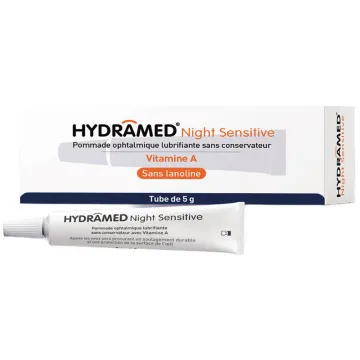
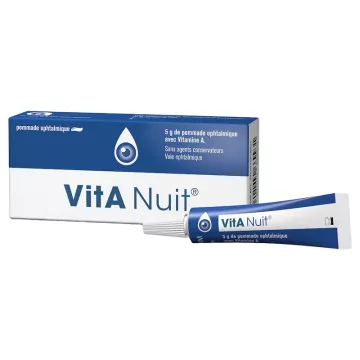
Retinol (vitamin A) is essential for the integrity of the conjunctival goblet cells that produce the mucin forming the inner layer of the tear film. A deficiency leads to squamous metaplasia of these cells—without sufficient mucin, the tear film no longer adheres to the cornea and becomes unstable. Vitamin A ophthalmic ointment is the standard of care for severe keratitis sicca. When taken orally, a daily intake of 700 to 900 µg ER maintains the integrity of the ocular mucosal surfaces. Subclinical deficiencies are common in people on restrictive diets and among the elderly.
Elevated cortisol inhibits lacrimal gland secretion by reducing the production of lacrimal prolactin and activating vasoconstrictive sympathetic pathways. Magnesium reduces chronic cortisol levels—a deficiency of which is very common (60% of French adults, according to INCA studies)—and indirectly exacerbates dry eye in patients under intense stress. At a dose of 300–400 mg/day of bisglycinate or glycerophosphate, its effect on sleep quality also improves nighttime recovery of the lacrimal glands.
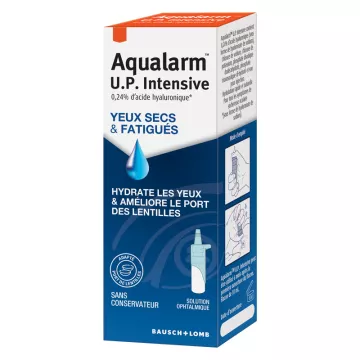
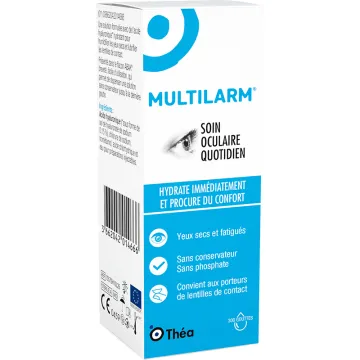
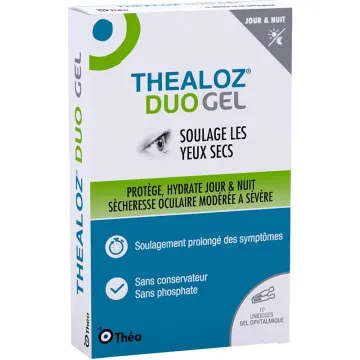
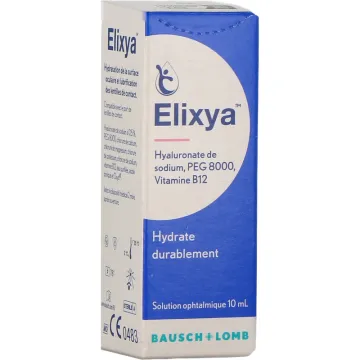
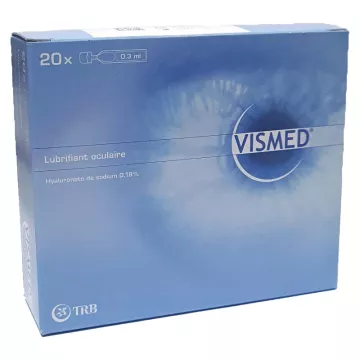
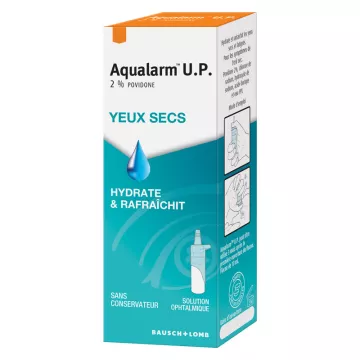
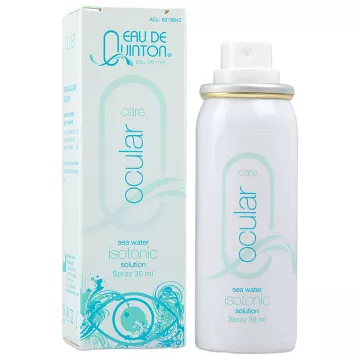
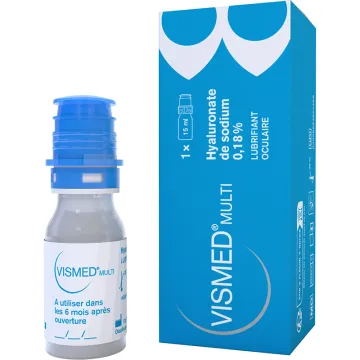
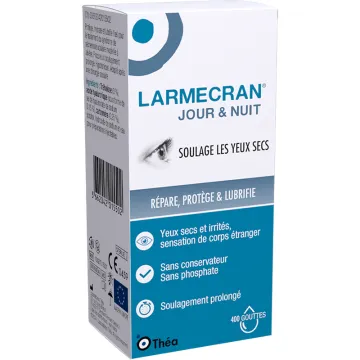
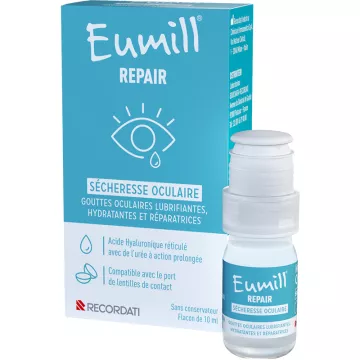
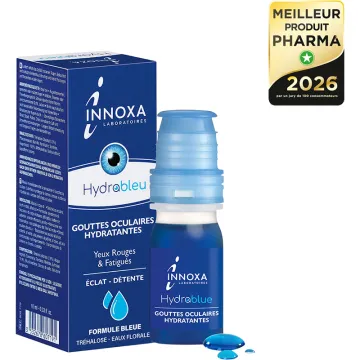
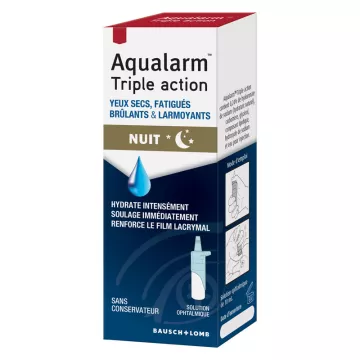
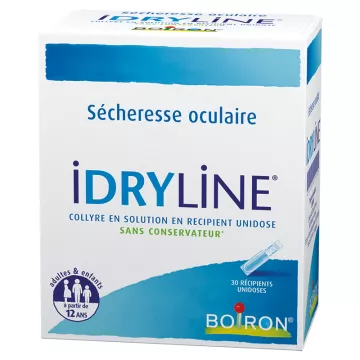
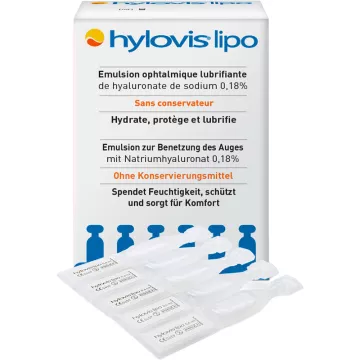
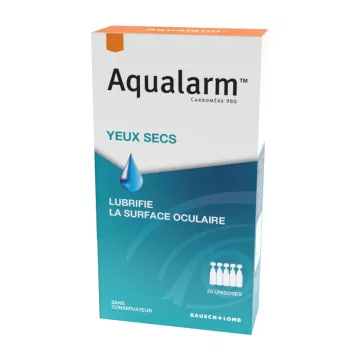
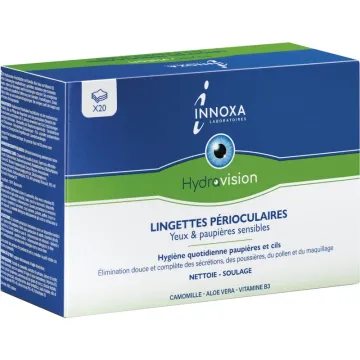
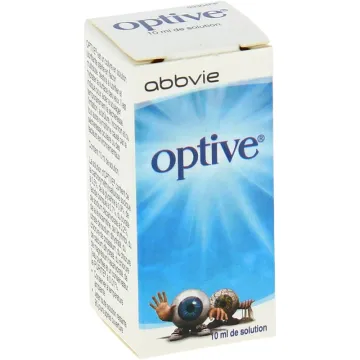
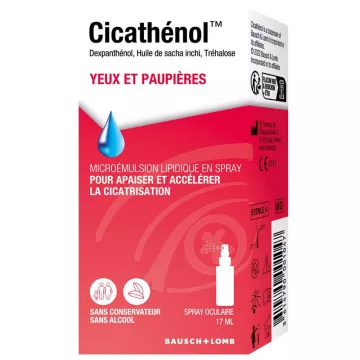
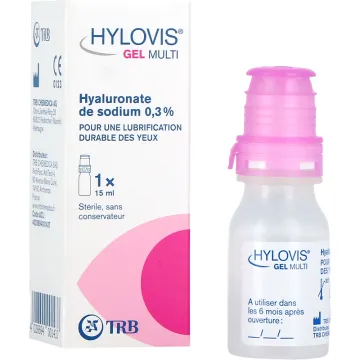
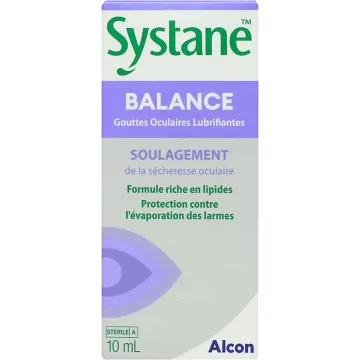
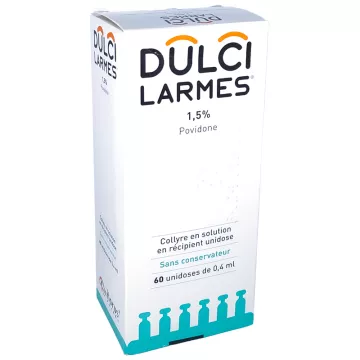
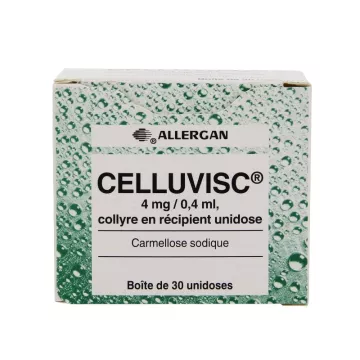
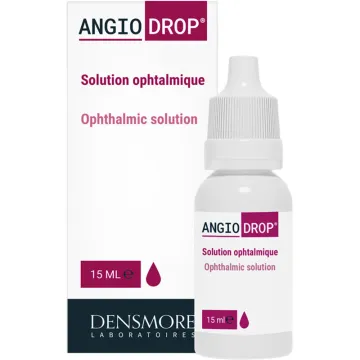
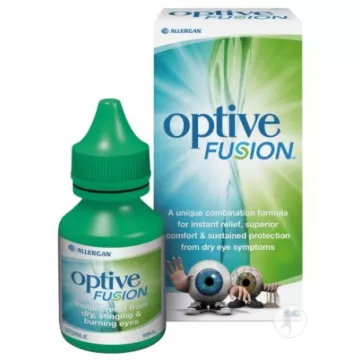
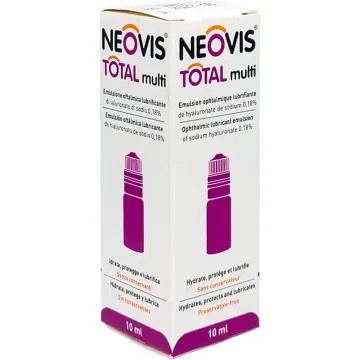
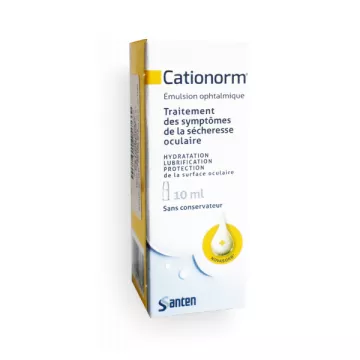
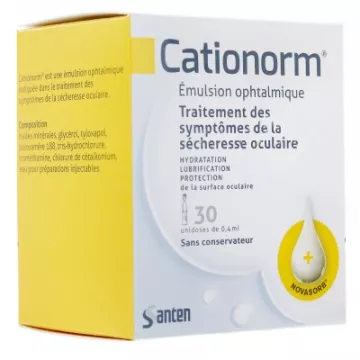
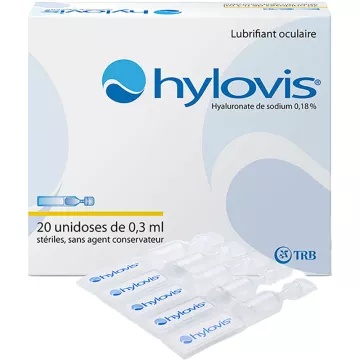
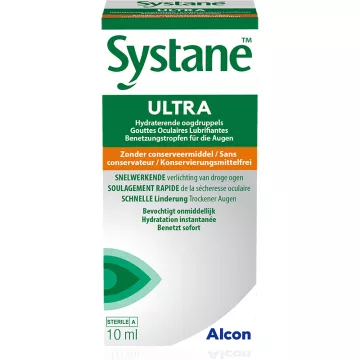
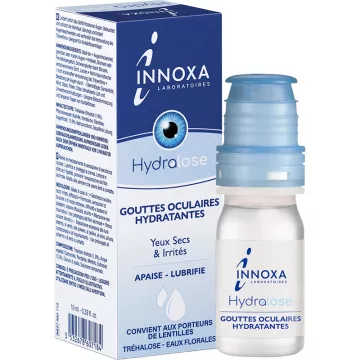
The choice depends on frequency of use and sensitivity to preservatives. The benzalkonium chloride in multi-dose bottles is cytotoxic to the corneal and conjunctival epithelium when used more than 4 to 6 times a day—preservative-free single-dose vials are always preferable for frequent users and those with sensitive eyes. Viscosity determines the formulation: a high-molecular-weight hyaluronic acid gel (Hylo-Lipid, Vismed) for severe dryness, and a light solution for mild to moderate cases. The “Visual Comfort” and “Tired Eyes” pages feature products and supplements tailored to each individual’s needs.