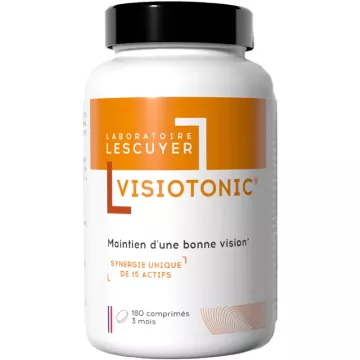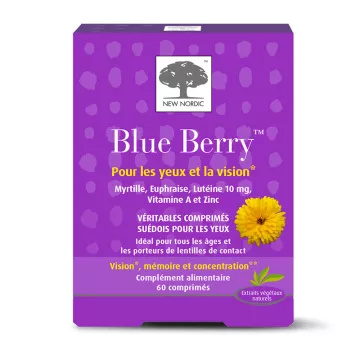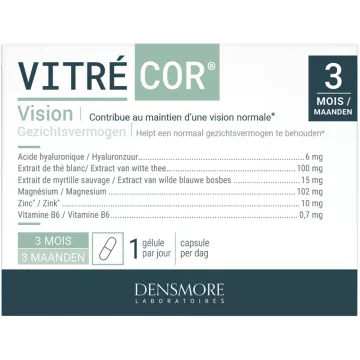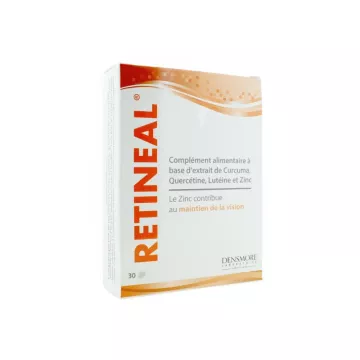
Visual comfort refers to the absence of eye discomfort—such as fatigue, dryness, redness, blurred vision, and headaches—under all conditions of use. Given that active adults spend 7 to 9 hours a day looking at screens, it has become an occupational health issue recognized by ANSES (2019 report). Three interdependent factors determine it: the quality of the tear film, the balance of the eye muscles, and the nutrition of the visual structures (retina, lens, and optic nerve). A disruption in just one of these three factors is enough to impair visual comfort.
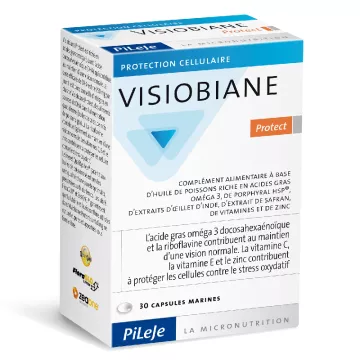
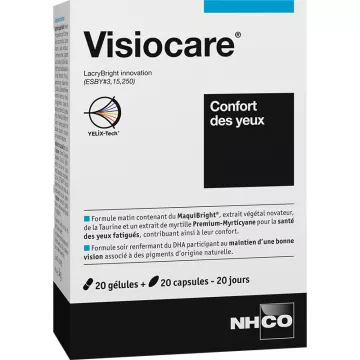
Ocular microcirculation is the variable most directly correlated with visual comfort. An insufficient supply of oxygen and glucose to the photoreceptors results in accelerated eye strain. Bioflavonoids (rutin, hesperidin, 200–500 mg/day) strengthen the capillary walls by inhibiting vascular hyaluronidase and collagenase, and improve the deformability of red blood cells in small-diameter ocular capillaries. Combining them with vitamin C enhances the vasoprotective effect—which is particularly important for people who spend a lot of time in front of screens.
Taurine (200–500 mg/day) is the most abundant free amino acid in the mammalian retina—where it acts as a cellular osmoprotectant, as a modulator of retinal ion channels, and as an antioxidant against phototoxicity. A deficiency in taurine causes documented progressive retinal degeneration. Vitamin B1 (thiamine) is a cofactor for transketolase in retinal ganglion cells and Schwann cells of the optic nerve—a deficiency can cause optic neuropathy, the first sign of which is reduced contrast sensitivity.
The lipid tear film is synthesized from circulating fatty acids by the Meibomian glands. Omega-6 fatty acids (GLA—evening primrose or borage oil, 1–2 g/day) are precursors of prostaglandins E1 and E2, which regulate Meibomian secretion. A targeted intake of GLA improves the lipid quality of meibum and reduces evaporative dryness—provided that the omega-6/omega-3 ratio is simultaneously rebalanced in favor of anti-inflammatory omega-3s.
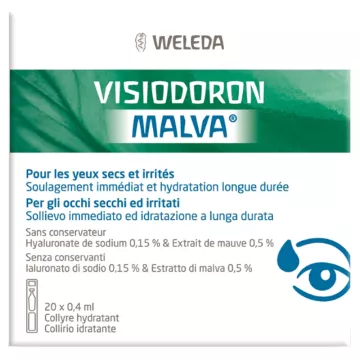
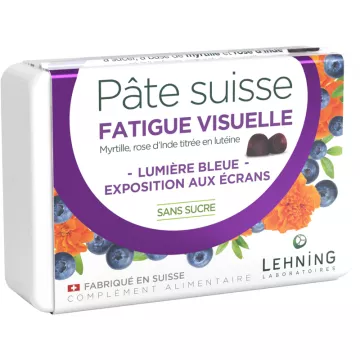
Measures should be tailored to your usage profile. Heavy screen users: the 20-20-20 rule, anti-HEV filters, preservative-free artificial tears, bioflavonoids + taurine as a seasonal treatment. Contact lens wearers: omega-3 + GLA, hyaluronate in single-dose packets. For chronically tired eyes and recurrent dry eyes, an annual eye exam remains essential to rule out uncorrected refractive error or underlying meibomian gland dysfunction.
A comprehensive eye exam includes refraction testing (to detect underlying ametropia), the Schirmer test and TBUT (tear film assessment), a slit-lamp examination of the eyelid margins (MGD, Demodex), and papillary OCT (optic nerve integrity). Recommended frequency: annually after age 40, or as soon as persistent symptoms appear (eye strain, dryness, visual headaches). Dietary supplements and ergonomic measures improve comfort but are not a substitute for an ophthalmological diagnosis—some symptoms of chronic eye strain may mask early-stage glaucoma or retinopathy.