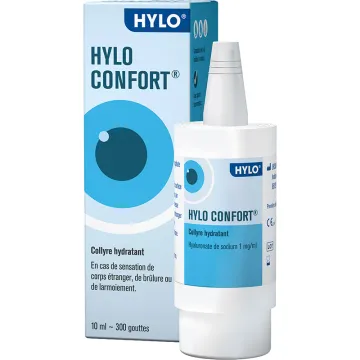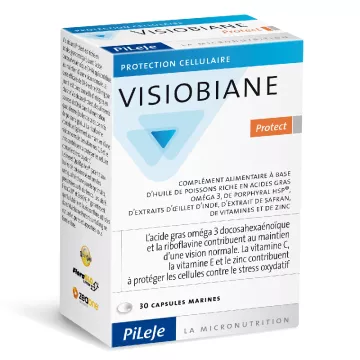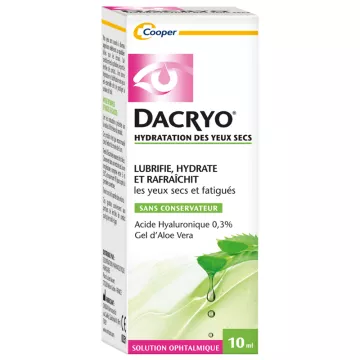
Tired eyes (asthenopia) refer to excessive strain on the visual system. Accommodative asthenopia results from a spasm of the ciliary muscle—the muscle responsible for focusing remains contracted after prolonged close-up work, causing temporary blurred vision and frontal headaches. Digital eye strain syndrome (DESS) results from reduced blinking (from 12 to 5 times per minute while looking at a screen) and exposure to HEV blue light (415–455 nm). These two mechanisms often coexist—optical correction treats asthenopia, while artificial tears and HEV filters treat digital eye syndrome.
Ginkgo biloba (EGb 761, 24% flavonoids + 6% terpenes) improves retinal and choroidal microcirculation by inhibiting PAF, improving erythrocyte deformability, and exerting a capillary vasodilatory effect. These properties are relevant to eye strain—insufficient microcirculation reduces oxygen supply to the photoreceptors, accelerating their depletion. Clinical studies confirm an improvement in contrast sensitivity at 120–240 mg/day after 4 to 8 weeks.
Vitamin B2 (riboflavin) acts as a cofactor for glutathione reductase—an antioxidant enzyme in the lens and retina that protects against photo-oxidative stress. A deficiency in vitamin B2 has been documented as a risk factor for early-onset cataracts and photophobia (hypersensitivity to light characteristic of eye strain). As a precursor to FAD, it plays a role in the mitochondrial metabolism of the retinal pigment epithelium. Supplementation at 5–10 mg/day improves light tolerance in cases of subclinical deficiency.
Melatonin is produced locally by retinal photoreceptors, where it acts as an antioxidant, neutralizing free radicals accumulated during the day. Exposure to blue light from screens in the evening suppresses this production and disrupts the eye’s restorative cycle—a direct explanation for the accumulated eye strain experienced by heavy users of screens at night. Taking a 0.5–1 mg supplement 30 minutes before bedtime improves the quality of restorative sleep and reduces morning eye strain.
Coenzyme Q10 (ubiquinol, 100–200 mg/day) is essential for the mitochondrial respiratory chain of photoreceptors—the cells with the highest mitochondrial density in the body. Its concentration declines with age, reducing the photoreceptors’ ability to regenerate the ATP needed for recovery after visual exertion. Ubiquinol improves the photoreceptors’ resistance to fatigue and protects the retina against chronic oxidative stress for lasting good vision.
An effective eye break relies on three complementary steps. The 20-20-20 rule (every 20 minutes, look at something 6 meters away for 20 seconds) relieves accommodation spasm of the ciliary muscle. Palming (placing warmed palms over closed eyes for 2–3 minutes) blocks light input and relaxes the extrinsic eye muscles. Conscious blinking (10 slow, full blinks) redistributes the tear film and moisturizes the cornea, which has become dry due to reduced blinking while working at a screen. Ambient light should be directed to avoid glare on the screen—indirect lighting at 500 lux reduces light adaptation fatigue.