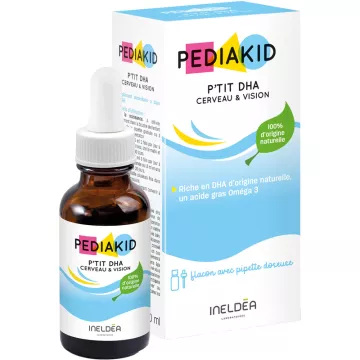
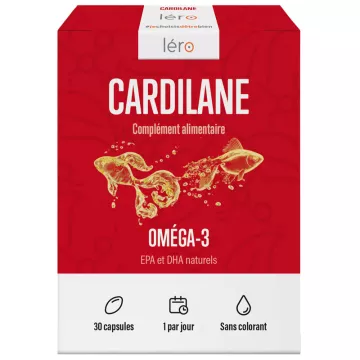
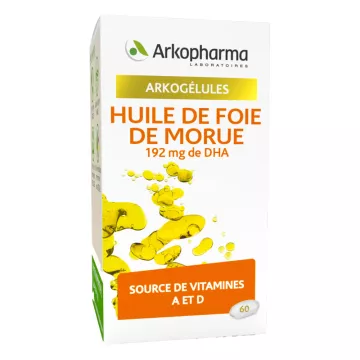
DHA (docosahexaenoic acid) is the primary structural fatty acid in the brain and retina. It accounts for more than 30% of the fatty acids in neuronal membranes and 50% of those in retinal cells. UnlikeEPA —which is more focused on cardiovascular health—DHA isthe omega-3 fatty acid essential for brain and sensory function. Find our selection of omega-3 supplements at your local pharmacy.
What is DHA?
DHA is a 22-carbon fatty acid with 6 double bonds (C22:6 n-3). It is the major lipid component of neuronal membranes, where it ensures the membrane fluidity necessary for the transmission of nerve signals. It is also concentrated in the retina, where it plays a role in light signal transduction. Endogenous synthesis from plant-based ALA is insufficient (conversion rate < 4%)—so dietary intake or supplementation is essential.
DHA and the Brain: Approved EFSA Claims?
DHA is one of the few nutrients with approved EFSA claims specific to the brain.
- Normal brain function: DHA contributes to normal brain function — 250 mg DHA/day (EFSA claim)
- Fetal brain development: Maternal DHA contributes to the normal brain development of the fetus and breastfed infants (EFSA)—an additional 200 mg of DHA per day on top of the usual 250 mg
- Child brain development: DHA contributes to the normal brain development of children up to age 12 (EFSA)
- Support for memory and concentration —beneficial for students, seniors, and highly active individuals
DHA and vision: What are the benefits?
DHA is the primary fatty acid in the retina—an adequate intake is essential for maintaining normal vision.
- Normal vision: DHA contributes to the maintenance of normal vision—250 mg DHA/day (EFSA claim)
- Fetal vision development: Maternal DHA contributes to the normal development of vision in the fetus and breastfed infants (EFSA)
- In synergy with lutein and zeaxanthin —these macular pigments protect the retina against oxidative stress and blue light
- Eye health supplements combining DHA, lutein, and zeaxanthin for comprehensive eye protection
DHA and Pregnancy: Why Is It Crucial?
Pregnancy and breastfeeding are the periods of highest DHA requirements.
- Maternal DHA contributes to the normal development of the fetus’s brain and vision—EFSA-approved claim
- Recommended dose during pregnancy: 250 mg/day as usual + an additional 200 mg/day = a minimum of 450 mg DHA/day
- Avoid fish liver oils rich in vitamin A (teratogenic retinoids) at all costs—opt for fish body oils or algae oils
- Algae oil is the safest vegan alternative during pregnancy
- DHA supplements are often combined with vitamin D3 to provide comprehensive support for both mother and child
DHA: Fish Oil or Algae?
Both sources provide bioavailable DHA with distinct profiles.
- Fish oil: a concentrated source of DHA + EPA; triglyceride form is preferable; choose IFOS-certified products—see our fish oil selection
- Algae oil: vegan, no risk of fish allergies, pure DHA with no potential marine contamination—ideal for pregnancy and vegans
- For vision and brain health: formulas with high DHA content (DHA/EPA ratio > 2:1 or pure DHA)
- Store in the refrigerator after opening—DHA is highly sensitive to oxidation
DHA Dosage and Precautions?
Recommended intakes vary by age and physiological condition.
- Healthy adults: 250 mg DHA/day (EFSA minimum)
- Pregnant and breastfeeding women: 450 mg DHA/day (250 + an additional 200 mg)
- Children up to 12 years old: 100 to 250 mg DHA per day, depending on age
- Anticoagulants: Inform your doctor if doses exceed 3 g of omega-3 per day (EPA + DHA)
- Digestive issues (belching): Choose enteric-coated capsules or take with a meal
- Allergy to fish or shellfish: choose algae-based formulas