A thin membrane measuring 0.5 mm that lines the back of the eye, the retina converts light photons into nerve impulses that are transmitted to the brain via the optic nerve. It contains two types of photoreceptors: cones (responsible for visual acuity and color perception, concentrated in the macula) and rods (responsible for peripheral and night vision). Its fragility stems from its exceptionally high metabolic demand—the retina is the tissue with the highest oxygen consumption in the human body—and its absolute dependence on the underlying choroidal vessels. Any factor that disrupts this microcirculation (diabetes, high blood pressure, smoking) directly weakens the photoreceptors.
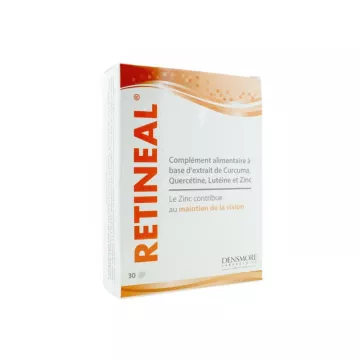
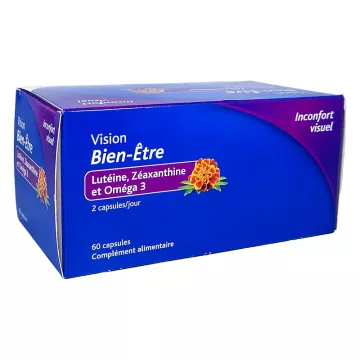
Lutein and zeaxanthin are the only two carotenoids selectively accumulated in the macula, where their concentration forms the macular pigment (MPOD). This pigment physically filters high-energy blue light before it reaches the photoreceptors and neutralizes photo-induced free radicals. The AREDS2 study (4,203 patients, 5 years) confirms that daily supplementation with 10 mg of lutein and 2 mg of zeaxanthin reduces the risk of progression to advanced AMD by 25%. The eye supplements in this line (Retinium, Visioline, Opticomplex) are based on this clinically validated formulation.
The anthocyanins in blueberries (Vaccinium myrtillus, standardized extract containing 36% anthocyanosides) accelerate the regeneration of rhodopsin in the rods, improving twilight vision according to several clinical studies (160 to 320 mg/day). Their antioxidant action reduces the accumulation of lipofuscin in the retinal pigment epithelium—a key mechanism in the prevention of AMD. Their anti-VEGF properties in vitro also inhibit pathological choroidal neovascularization.
DHA accounts for 60% of the total fatty acids in the membranes of retinal photoreceptors—no other tissue has such a high concentration. Its presence is essential for the membrane fluidity required for light signal transduction. Epidemiological studies link high intakes of omega-3 DHA to a reduced risk of advanced AMD and diabetic retinopathy. The recommended supplementation for retinal health is 500 mg to 1 g of DHA per day, in triglyceride form for better bioavailability.
Zinc is a cofactor for retinol dehydrogenase (the enzyme that converts vitamin A into active retinal in the photoreceptors) and for retinal superoxide dismutase. Zinc deficiency impairs night vision and accelerates macular aging. The AREDS study confirmed its effectiveness (25 mg/day in the revised AREDS2 formula). Taurine, the most abundant free amino acid in the retina, protects photoreceptors from osmotic and oxidative stress. A deficiency in animals leads to irreversible retinal degeneration; in humans, supplementation at 500 mg/day is associated with improved visual comfort in cases of mild retinopathy.
Nutrition and supplements are part of a preventive approach—they are not a substitute for medical care. Certain symptoms require an ophthalmological consultation within 24 hours: sudden appearance of numerous floaters or filaments, repeated flashes of light, a veil obscuring part of the visual field, or a sudden decrease in visual acuity. These symptoms may indicate a retinal detachment—a surgical emergency in which the visual prognosis depends on how quickly treatment is provided. For a preventive eye exam or nutritional support for eye health, the “Good Vision” and “Eye Care” sections of our catalog offer additional resources.