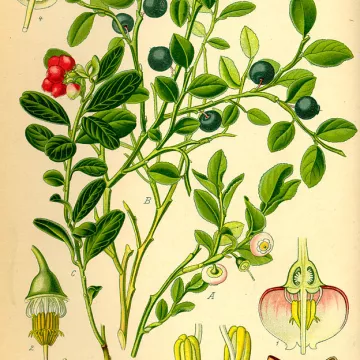
The bilberry (Vaccinium myrtillus L.) is a wild berry found in the temperate and mountainous forests of Europe, distinct from the American blueberry (Vaccinium corymbosum), which is larger and has a lower concentration of active compounds. Its deep purple pulp is a sign of its exceptional richness in anthocyanins (15 times more than in cultivated blueberries), along with vitamin C, tannins, flavonoids, and manganese. These natural pigments make it a key ingredient in cosmetics for mature skin and in antioxidant dietary supplements. A cousin in cosmetic hydrosols:cornflower floral water (Centaurea cyanus, a different plant).
Blueberries are traditionally used in dietary supplements intended to support eye comfort and healthy vision, particularly in the context of prolonged screen time or low-light conditions. Its anthocyanins are studied for their affinity with retinal pigments, although no health claims have been validated to date by the EFSA. Standard treatment courses last 4 to 8 weeks and are repeated in the fall and spring. Preserving the skin barrier and visual comfort through a holistic approach (screen hygiene, hydration, and a varied diet) remains essential.
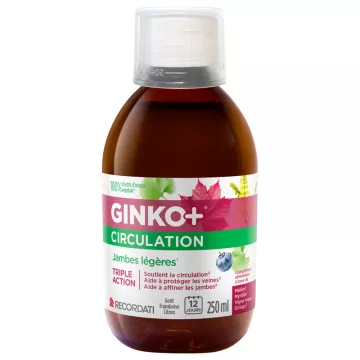
To relieve heavy legs, blueberries are incorporated into phytotherapeutic approaches for venous circulation in combination with other traditionally used plants (red vine, witch hazel, horse chestnut). Anthocyanins are being studied for their affinity with fine vascular structures. Structured treatment regimens lasting 4 to 6 weeks before summer or before long trips provide a preventive approach to circulatory comfort. Combine these with simple habits: regular walking, elevating the legs, taking a cool shower on the calves in the evening, and wearing medical compression stockings if recommended by a doctor.
In cosmetics, blueberries are used in various forms in skincare products targeting mature skin:
Blueberry extract can complement a routine that includes vitamin C, vitamin E, and other antioxidant polyphenols.
According to claims validated by the EFSA, the vitamin C found in blueberries helps protect cells against oxidative stress, reduce fatigue, and support the normal functioning of the immune system. A 4- to 6-week regimen of dietary supplements standardized for anthocyanins is the most highly dosed modern approach. Regular consumption of fresh or frozen berries (50 to 100 g per day) during the season provides a valuable dietary supplement as part of a comprehensive approach. Athletes and people exposed to high levels of oxidative stress (secondhand smoke, pollution, repeated sun exposure) can particularly benefit from this antioxidant approach.
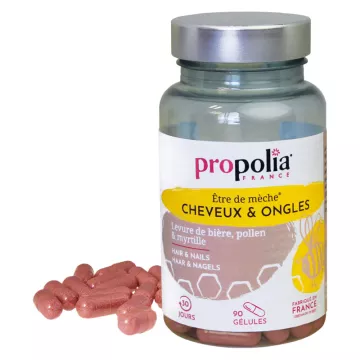
Several forms serve different purposes. Fresh or frozen berries can be added to yogurt, smoothies, fruit salads, or compotes. Dried berries provide a high concentration of anthocyanins (50 to 100 g of fresh berries = 10 to 20 g of dried berries). Capsules containing a dry extract standardized for anthocyanins (often 25% anthocyanins, 160 to 480 mg per day) are the pharmaceutical form. Drinkable ampoules or concentrated juices available at health food stores offer rapid absorption. Freeze-dried powder can be mixed into smoothies or yogurt. Leading brands available in health food stores: Arkogélules, Naturactive, Solgar, Pranarôm, Phytalliance, Vit'all+, Salus, Floradix.
Blueberries are generally well tolerated, but some precautions are necessary. People taking anticoagulants (warfarin, VKAs, heparin) should consult a pharmacist before starting a prolonged course of treatment, due to the potential additive effect of anthocyanins. Diabetics on antidiabetic medication may wish to consult a doctor regarding standardized dry extract supplements. People allergic to red berries (strawberries, raspberries, blackberries) may experience cross-reactions. Pregnant or breastfeeding women can consume blueberries as part of their regular diet without any special precautions, but should seek medical advice regarding concentrated dried extracts. Excessive consumption (more than 200 g of fresh berries per day) may cause digestive problems (diarrhea, bloating). Children under 6 years of age should use dried extracts only as recommended by a pediatrician.
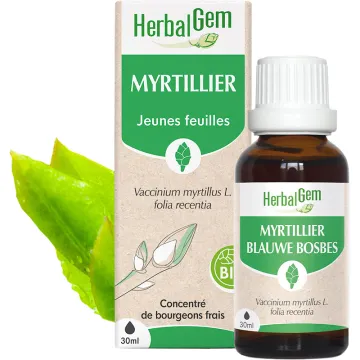
Several criteria indicate a high-quality product. The Bio AB or Ecocert label guarantees the absence of pesticide residues on thin-skinned berries consumed whole. The variety Vaccinium myrtillus must be specified (European wild blueberry, which has a higher concentration of anthocyanins than cultivated blueberries).European origin (Poland, France, Scandinavia, the mountains of Central Europe) is a mark of tradition. For dietary supplements, the anthocyanin standardization (typically 25%, or in mg per capsule) must be specified to ensure consistent results. Fresh berries keep for 5 to 7 days in the refrigerator; frozen berries keep for 12 to 18 months in the freezer without significant loss of anthocyanins. Dried berries and dry extracts in opaque bottles can be stored for 18 to 24 months away from light.