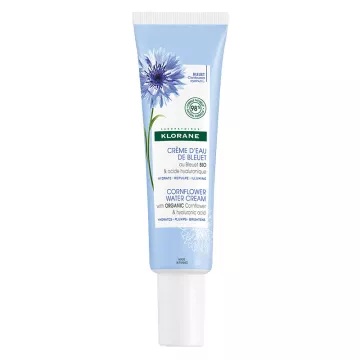
What Is Cornflower in Cosmetics and Herbal Medicine
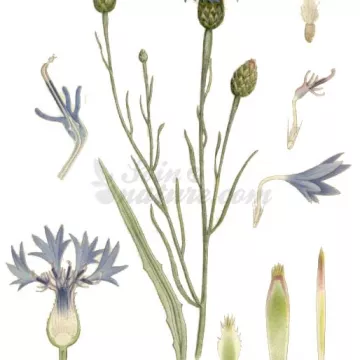
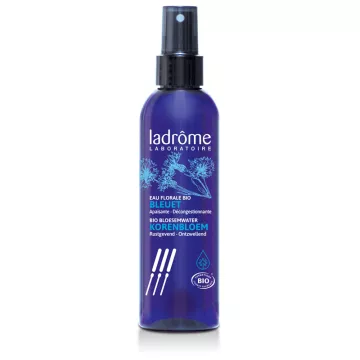
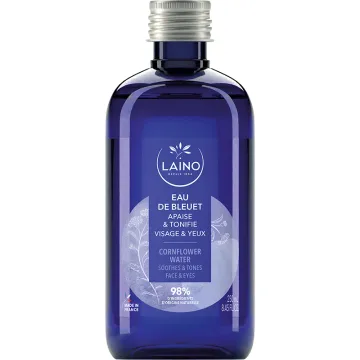
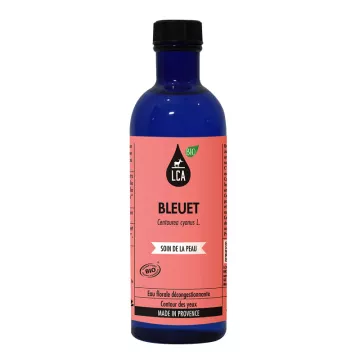
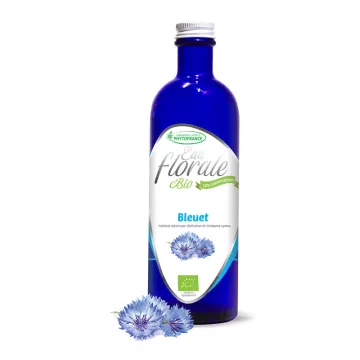
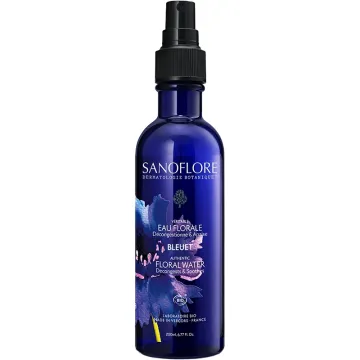
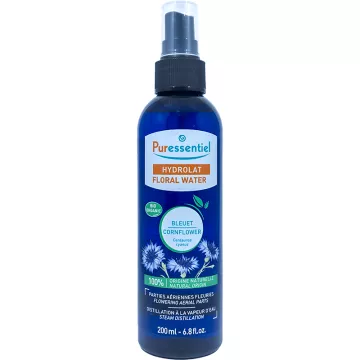
The cornflower (Centaurea cyanus) is the blue flower found in wheat fields, and its hydrosol is one of the most widely recognized in natural cosmetics—particularly for eye care and sensitive skin. It does not produce a distillable essential oil in the traditional sense: its active ingredients are water-soluble (anthocyanins, flavonoids, tannins) and are found in the hydrosol and aqueous extracts, not in an essential oil.
In health and beauty stores, cornflowers are available in three main forms: hydrosol (floral water, the best known), dried flower tea, and anthocyanin-standardized extracts—each with its own specific uses.
Why is the blueberry the go-to plant for eye care?
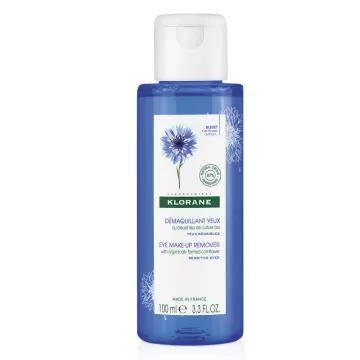
This is its oldest—and most well-deserved—reputation. Blueberry hydrosol has been used for centuries in eye care for one simple reason: its tannins and flavonoids have a soothing and mildly astringent effect on irritated conjunctiva, puffy eyelids, and tired eyes.
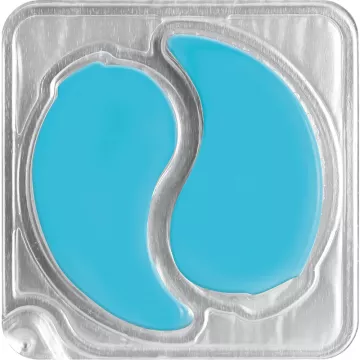
- Compresses for tired eyes: two cotton pads soaked in blueberry hydrosol, chilled, and placed on closed eyelids for 10 minutes—the most classic treatment in French natural cosmetics
- Red, irritated eyes caused by screens, wind, or pollution: the hydrosol can be gently sprayed onto closed eyelids—never spray directly into the eye
- Dark circles and puffiness in the morning: the cooling effect combined with the anthocyanins in blueberries supports microcirculation around the eyes—visible results from the very first uses
- See our eye contour and eye care products
What are the other cosmetic uses of the blueberry?
Its antioxidant and soothing properties extend beyond eye care—blueberries are a multi-purpose active ingredient for sensitive and dull skin.
- Universal facial toner: blueberry hydrosol as a morning toner—light hydration, soothes redness, with a fresh and subtle floral note—suitable for all skin types, including oily and combination skin
- Anti-aging care: anthocyanins are powerful antioxidants—they neutralize free radicals and support the skin’s daily defense against oxidative stress
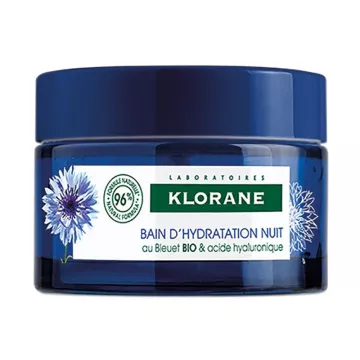
- Complexion Radiance: Cornflower extract in serums helps even out a dull complexion by improving superficial microcirculation
- Cosmetic combination: blueberry + rose water —a hydrating and toning hydrosol duo for morning skincare routines for sensitive and mature skin
How is cornflower used in herbal tea and internal herbal medicine?
Dried cornflower blossoms have documented internal uses—less well-known than their cosmetic uses but beneficial for the eyes and circulation.
- Herbal tea: 1 tablespoon of dried flowers in 250 mL of water at 90°C, steep for 10 minutes—2 cups per day—mild diuretic and antioxidant properties
- Traditional ophthalmic use: The cooled and strained herbal tea can be used as an external compress—never as a direct eye drop
- Mother tincture: 20–30 drops in a glass of water, 2–3 times a day — more concentrated, for short-term treatments
What precautions should be taken with blueberry?
- Allergy to Asteraceae (daisy, mugwort, chamomile): contraindicated — possible cross-reactivity
- Diuretics and anticoagulants: concentrated internal use—inform your doctor if you are currently undergoing treatment
- Cosmetic hydrosol: very well tolerated—store in the refrigerator after opening (best before 6 months to 1 year)
- Pregnant women: mild herbal tea is generally well tolerated; use concentrated extracts only under medical supervision
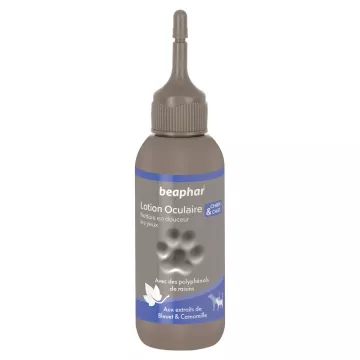
- Ocular use: never instill hydrosol directly into the eye—external compresses only