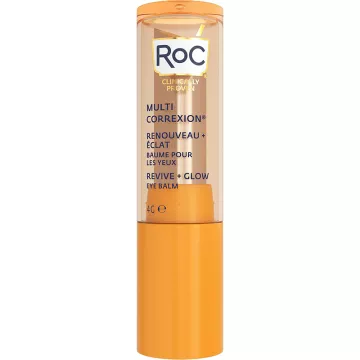
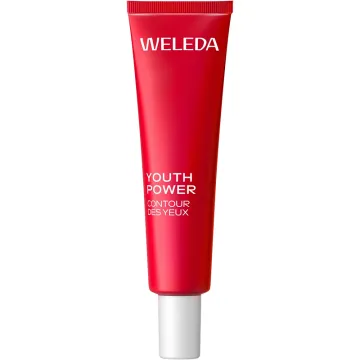
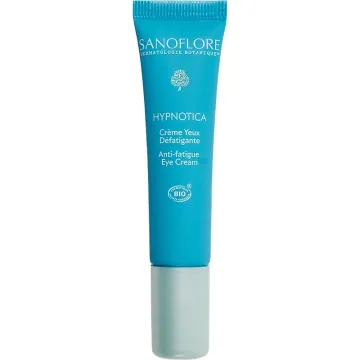
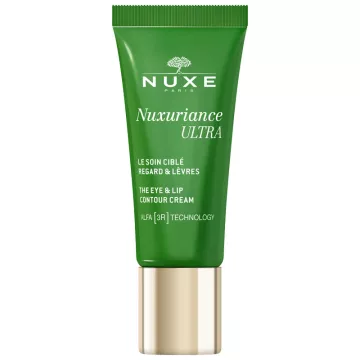
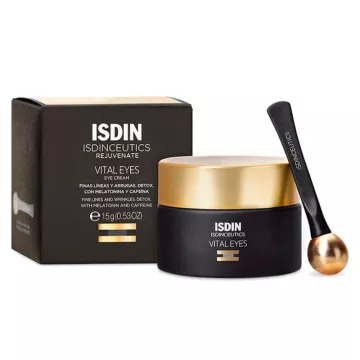
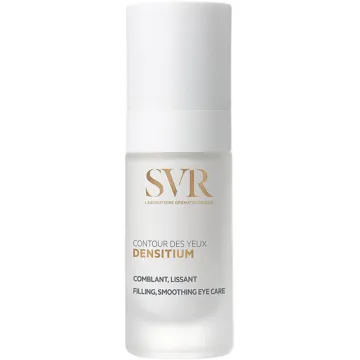
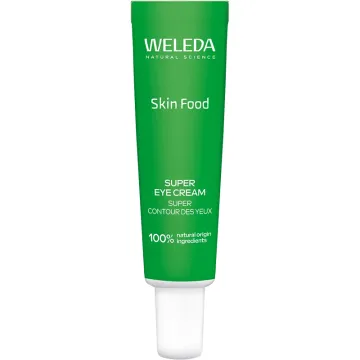
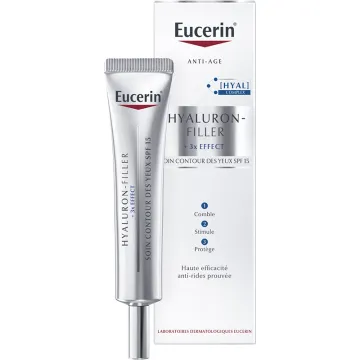
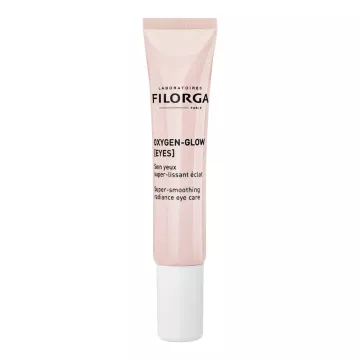
Short nights, stress, or the passage of time often take their toll on the eyes before the rest of the face. Dark circles, puffiness under the eyes, fine lines, tightness, a tired look… The skin around the eyes is thin, delicate, and more prone to dehydration. At Soin-et-Nature, our selection of eye creams helps hydrate, smooth, and protect this delicate area, while bringing greater comfort and radiance to your eyes.
Unlike a traditional face cream, an eye cream is formulated to respect the sensitivity of this area. Its creamy texture—light or richer, depending on your needs—provides hydration, suppleness, and a targeted smoothing effect. It’s effective against the first signs of fatigue as well as wrinkles around the eyes, crow’s feet, visible dark circles, and puffiness caused by lack of rest.
More details
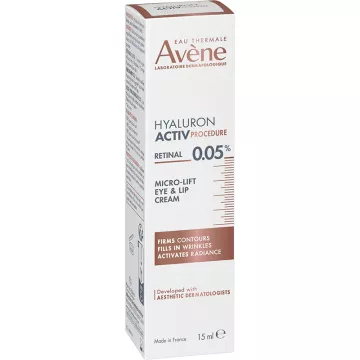
To choose the best eye cream, start by identifying your priority. Do you have a tired-looking eye area when you wake up? Opt for an anti-dark circle and anti-puffiness cream containing active ingredients like caffeine, cornflower water, arnica, green tea, or decongestant plant extracts. Do you experience tightness or discomfort? A hydrating eye cream enriched with hyaluronic acid, glycerin, aloe vera, or ceramides will be more suitable.
If your goal is to smooth fine lines and prevent signs of aging, opt for an anti-wrinkle eye cream formulated with peptides, retinol suitable for the eye area, bakuchiol, vitamin C, vitamin E, or hyaluronic acid. For sensitive skin, choose a formula that’s ophthalmologist-tested, fragrance-free, or specially formulated for sensitive skin.
You can round out your skincare routine with our selection of anti-aging products, especially if you want to address wrinkles, loss of firmness, and your skin’s overall radiance.
The eye area is one of the first areas to show signs of aging. The skin there is thinner, has fewer sebaceous glands, and is subjected to greater stress from blinking, facial expressions, makeup application, and makeup removal. As a result, dehydration lines, eye wrinkles, and crow’s feet gradually appear.
An anti-wrinkle eye cream helps improve the appearance of this area by providing hydration, suppleness, and comfort. Formulas containinghyaluronic acid help visually plump the skin, while peptides, retinol, bakuchiol, and antioxidants contribute to a targeted routine against the visible signs of skin aging.
The right approach? Apply your eye cream morning and night, using a small amount, without rubbing. Consistency matters more than the amount of product used.
Dark circles and under-eye bags are not all the same. Bluish dark circles are often associated with poor skin microcirculation, brown dark circles with more pronounced pigmentation, while sunken dark circles are related to facial structure. Puffiness, on the other hand, can be exacerbated by fatigue, lack of sleep, water retention, aging, or poor local circulation.
An under-eye cream or a cream for puffiness can help give the eyes a fresher, more rested appearance. Active ingredients such as caffeine,cornflower water,arnica, horse chestnut, ruscus, green tea, or certain brightening pigments are often used in formulas designed for tired-looking eyes.
To maximize the refreshing effect, you can store your cream in the refrigerator if the brand allows it. The cold provides an immediate sensation of decongestion, which is especially appreciated in the morning.
The active ingredients in an effective eye cream should be chosen based on your primary need. For hydration, look forhyaluronic acid, glycerin, aloe vera, ceramides, panthenol, or squalane. For the comfort of dry skin, plant-based oils, shea butter, or more nourishing cream textures may be beneficial.
For fine lines and signs of aging, formulas may contain peptides, retinol, bakuchiol, vitamin C, vitamin E, coenzyme Q10, or polyphenols. For dark circles and puffiness, caffeine, cornflower floral water, arnica, ginkgo biloba, green tea, or decongestant extracts are frequently used.
If you have sensitive eyes, pay special attention to the formula’s tolerability. Choose an eye cream for sensitive skin that has been ophthalmologist-tested, and avoid applying the product too close to the mucous membrane.
Apply a small amount of eye cream —usually about the size of a grain of rice for both eyes. Place the product on the orbital bone, then gently pat it in with your ring finger, moving from the inner corner toward the outer corner. There’s no need to rub: this delicate area responds best to gentle, precise movements.
Avoid applying the cream too close to the eyelashes or directly on the upper eyelid, unless otherwise specified by the manufacturer. The product naturally spreads with the heat of the skin.
An eye cream refers to a specific texture, often chosen for its comfort, moisturizing power, and smoothing effect. It is particularly suitable for dry, sensitive, dehydrated, or fine-line-prone skin. It’s the ideal format for those looking for a simple, nourishing daily treatment that’s easy to incorporate into their routine.
The term “eye care” is broader. It can refer to a cream, but also to a serum, gel, roll-on, patches, or an eye mask. If you’re specifically looking for a cream texture, this category is therefore the most suitable. If you’d like to compare all eye care formats, our upcoming selection of eye contour treatments will help guide your choice based on your habits and needs.
Buying an eye cream from an online pharmacy makes it easy to compare active ingredients, textures, brands, targeted concerns, and customer reviews. At Soin-et-Nature, you’ll find eye creams designed to address dark circles, puffiness, wrinkles, fine lines, tightness, sensitive skin, and the first signs of aging.
Our selection features dermocosmetic, natural, or organic formulas designed to care for this delicate area without irritating it. Whether you’re looking for a hydrating eye cream, an anti-wrinkle cream, a dark circle cream, or a puffiness-reducing cream, the goal remains the same: to restore a fresher, more comfortable, and visibly rested appearance to your eyes.
You can start using an eye cream as soon as you feel the need for hydration, comfort, or to prevent the first fine lines. Many people begin their skincare routine around age 25–30, but it all depends on your skin type, lifestyle, and visible signs of aging.
For dark circles, choose an eye cream containing active ingredients such as caffeine, cornflower water, arnica, vitamin C, or illuminating pigments. The choice also depends on the type of dark circle: bluish, brown, sunken, or fatigue-related.
For puffiness, opt for a light, refreshing, or decongestant cream with active ingredients such as caffeine, green tea, ruscus, horse chestnut, or cornflower water. Applying the cream with gentle tapping motions can also help brighten your eyes.
It’s best to use a cream specifically formulated for the eye area. This area is thinner and more sensitive than the rest of the face. A face cream may be too rich, too heavily scented, or contain active ingredients that aren’t well tolerated near the eyes.
An eye cream can be applied both in the morning and at night. In the morning, it hydrates and prepares the eye area for makeup. At night, it supports skin regeneration and provides comfort to dry or mature skin.