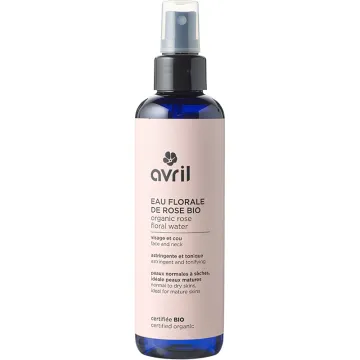
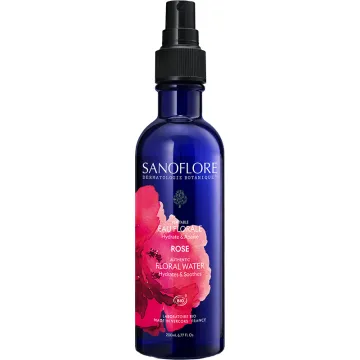
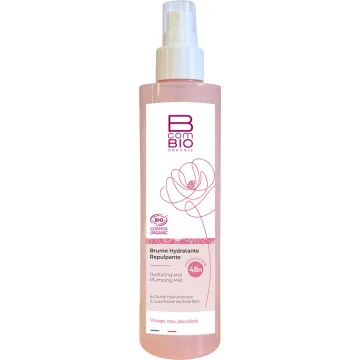
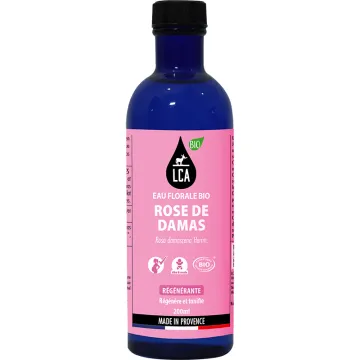
What distinguishes rose floral water from essential oil and absolute?
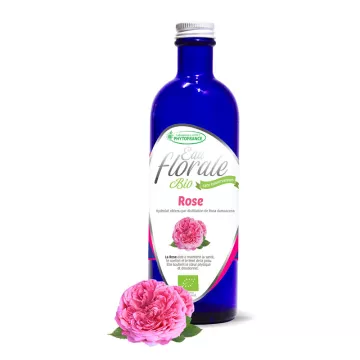
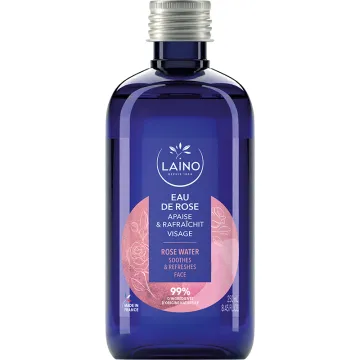
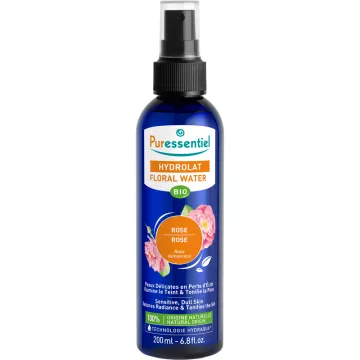
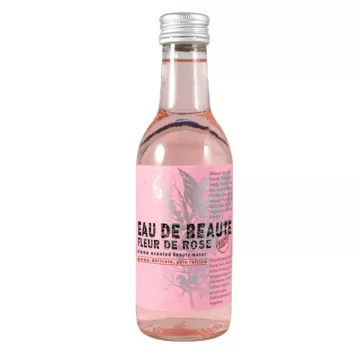
Rose floral water (Rosa damascena or R. centifolia flower water) is a byproduct of the distillation of fresh petals. While rose essential oil costs €30–80 per mL and is used at a maximum concentration of 0.5–1%, the hydrosol is ready to use right away, already diluted to the correct concentration, with no further preparation needed. It’s the perfect introduction to the world of rose-based cosmetics.
Its INCI name: “Rosa damascena flower water” or “Rosa centifolia flower water”—depending on the species distilled. The two differ in scent (damascena is rounder and warmer, while centifolia is powderier and lighter) but are similar in their skin benefits. To view products made with rose essential oil or rose absolute, visit our rose page.
What are the active ingredients in rose floral water, and what do they do?
Although less concentrated than essential oil, rose floral water contains well-identified active ingredients—linalool, geraniol, citronellol, and phenethyl alcohol—at concentrations that can be applied directly to the skin without dilution.
- Phenylethanol (phenylpropanoid alcohol) is the main active ingredient in Damask rose floral water—it is responsible for the characteristic floral scent, as well as its soothing and mildly antibacterial properties
- Geraniol and citronellol help maintain skin tone and regulate sebum production—beneficial for sensitive and combination skin
- Water-soluble flavonoids: mild antioxidants that help promotea radiant complexion
- Slightly acidic pH (4.5–5.5): respects the skin’s natural pH—a toner that does not disrupt the acid mantle
How to use rose floral water in a skincare routine?
It’s one of the most versatile floral waters—suitable for all skin types and every step of your skincare routine.
- Toner, morning and night: apply with a cotton pad after cleansing—soothes, provides mild astringency, and optimally prepares the skin for serum and moisturizer absorption
- Day mist: Spray directly onto the face, whether wearing makeup or not—a subtle floral scent, immediate surface hydration, and a complexion-reviving effect
- Makeup-removal aid: Apply a second time to the eyelids after using makeup remover—perfect for sensitive eyes, gentler than witch hazel for this area
- Compresses for tired eyes: 2 cold, soaked cotton pads, 10 min — less astringent thanwitch hazel, more fragrant and soothing than cornflower — for sensitive eyes that react poorly to astringency
- Delicate scalp: Spray as a final rinse or between washes—lingering floral scent and mild sebum regulation
How to choose between Damask rose and Centifolia rose floral water?
Both species yield hydrosols with slightly different profiles—the choice depends on skin type and scent preference.
- Rosa damascena (Bulgaria, Turkey, Morocco): a warmer, rounder, and honeyed note—higher phenylethanol content—a slightly more astringent toner—ideal for combination to normal skin
- Rosa centifolia (Grasse, Morocco): a more powdery and delicate scent—slightly different profile—best suited for very sensitive skin and high-end anti-aging skincare
- On the label: “Rosa damascena flower water” or “Rosa centifolia flower water”—always ask for the full botanical name
What precautions should you take, and how should you store rose floral water?
- Allergy to Rosaceae (strawberry, peach, almond): Perform a skin test on the wrist before applying to the entire face
- Phenylethanol: Declared allergen under EC Regulation 1223/2009—very rare at the concentration found in a hydrosol, but worth noting for highly reactive skin
- Storage: Refrigerate after opening (no preservatives); store in an opaque bottle; shelf life 6 months to 1 year
- Pregnancy and infants: alcohol-free floral water, well-tolerated for external use—always consult a pediatrician for infants
- Pregnant women: Hydrosol is the safest form of rose (vs. essential oil or absolute, which are not recommended)