Bothrops lanceolatus 4CH, 5CH, 7CH, 9CH, 15CH, 30CH Boiron Homeopathic Granules
French Name: BOTHROPS FER DE LANCE
Registered medication: EH01385
Not listed in the pharmacopoeia
Origin: Animal
Bothtrops Lanceolatus is a remedy derived from the venom of the lancehead viper, a venomous snake native to South America. Through the freeze-drying process applied to the fresh snake venom, the venom loses all its toxicity, making it effective for treating heart conditions such as myocardial infarction. For this purpose, it is necessary to take one to two doses of 15 CH per day. The medication is also indicated for the treatment of conditions related to blood vessel rupture, such as paralysis and hemorrhage.
Available in potencies from 4 CH to 30 CH
Indications and Dosage
Homeopathic medicines—whether in granule tubes or globule doses—can be used for a variety of symptoms; therefore, it is not possible to specify the indications and dosage for a particular preparation. The homeopathic physician selects the appropriate remedy, dilution, and dosage based on the patient’s health condition and characteristic symptoms.
BOTHROPS LANCEOLATUS 9CH—A Versatile Homeopathic Remedy for Ophthalmology, Cardiology, and Angiology
Natural Support for Eye, Heart, and Vascular Conditions
The single-dose tube of BOTHROPS LANCEOLATUS 9CH, a homeopathic remedy, is an essential ally in ophthalmology, cardiology, and angiology. Discover how this versatile homeopathic remedy can help you manage a variety of conditions, ranging from eye conditions to heart and vascular problems.
Use in Ophthalmology: Precise Relief for Conjunctivitis
Targeted Relief for Irritated Eyes
BOTHROPS LANCEOLATUS 9CH is a valuable option for conjunctivitis associated with ruptured blood vessels in the eye. If you’re experiencing eye irritation, this homeopathic remedy can provide natural relief.
Why Choose BOTHROPS LANCEOLATUS 9CH in Ophthalmology?
- Ocular Precision: BOTHROPS LANCEOLATUS 9CH specifically targets eye conditions related to burst blood vessels, providing precise relief.
- Visual Comfort: By soothing eye irritation, this homeopathic remedy promotes visual comfort and eye health.
- Natural Approach: Choose a natural approach to treating conjunctivitis, without the side effects of traditional medications.
In addition to its common uses, Bothtrops Lanceolatus is also indicated for treating certain forms of conjunctivitis, particularly when associated with ruptured blood vessels in the eye.
Generally, the condition manifests as ocular hemorrhage. The remedy is also recommended in cases of significant, rapidly spreading edema and mottled skin. Severe pain radiating to the base of the limbs, accompanied by numbness, can also be treated with Bothtrops Lanceolatus. The medication is effective in treating dyspnea with a tendency toward collapse, anxiety, and severe asthenia.
Use in Cardiology: Support Heart Health
Support for Serious Heart Problems
BOTHROPS LANCEOLATUS 9CH may be a useful choice in cases of myocardial infarction. This homeopathic remedy can help support heart health during critical moments.
Why Choose BOTHROPS LANCEOLATUS 9CH in Cardiology?
- Cardiac Support: BOTHROPS LANCEOLATUS 9CH works to support the heart during a myocardial infarction, providing natural support in these serious situations.
- Cardiovascular Well-Being: By choosing this homeopathic remedy, you’re caring for your heart in a natural and effective way.
Indications in Cardiology:Bothtrops Lanceolatus is a remedy particularly indicated in cardiology. In fact, it has excellent properties for combating heart disease and can be recommended as a preventive treatment. Bothtrops Lanceolatus is suitable for treating dangerous heart conditions, particularlymyocardial infarction. It should be noted that the progression of this disease can lead to cardiac arrest, and Bothtrops Lanceolatus helps prevent this complication while supporting the proper functioning of the heart muscle.
Use in Angiology: Treatment of Vascular Complications
Support for Vascular Complications
BOTHROPS LANCEOLATUS 9CH can also be used in angiology to treat complications related to blood vessel rupture, such as paralysis and hemorrhages, particularly in cases of coronary artery disease, phlebitis, and thrombosis.
Indications in Angiology:Bothtrops Lanceolatus is a remedy used to treat various disorders related to blood circulation. It is indicated for treating vascular disorders, particularly blood vessel rupture, which causes paralysis and, consequently, a progressive loss of certain functions such as speech and memory. Furthermore, thanks to its coagulant properties, Bothtrops Lanceolatus is prescribed for venous hemorrhage—characterized by blackish blood that coagulates very poorly—and for other forms of hemorrhage such as epistaxis, gingival bleeding, bruising, and cerebral or gastrointestinal hemorrhage. Furthermore, Bothtrops Lanceolatus is also indicated for serohemorrhagic phlyctenules.
The dosage must be adjusted according to the physician’s prescription, as it varies depending on the condition being treated.
Directions for Use
Recommended dosages in cardiology:To halt the progressive destruction of heart muscle cells, it is recommended to take 5 granules of Bothtrops Lanceolatus 15 CH twice daily. Taking this medication helps prevent and treat myocardial infarction. However, it is advisable to undergo some clinical tests before beginning treatment.
Recommended Dosages in Angiology: To treat complications related to blood vessel rupture, such as paralysis or hemorrhages, the daily dose is two doses of 5 granules of Bothtrops Lanceolatus 15 CH, particularly in cases of coronary artery inflammation, phlebitis, and thrombosis. A blood test to assess hemostasis is mandatory before beginning treatment for these conditions.
Other Dosages:In cases of bleeding associated with conjunctivitis, take Bothtrops Lanceolatus 4 CH three times daily. For each dose, swallow 3 granules. Treatment should continue until the patient’s condition shows marked improvement.
Remove the tab, turn the tube upside down, and gently pull the cap. Rotate the tube to dispense the desired number of granules into the cap, then place the granules under the tongue.
It is recommended not to touch the homeopathic granules or globules with your fingers.
The globules from the dose tubes are taken all at once by allowing them to dissolve slowly under the tongue. If a dose is missed, take 10 granules of the same dilution.
Do not consume astringent substances—such as coffee, tobacco, camphor, mint, or chamomile—within half an hour before taking homeopathic medicines. Use a mint-free toothpaste (such as Homéodent Boiron, a toothpaste compatible with taking homeopathic granules).
Packaging and Contents
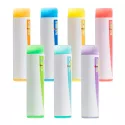
Translucent granule tube (allows you to see the remaining granules). Weight: 4 g. Approximately 80 granules.
Bothtrops Lanceolatus is a homeopathic remedy with limited uses but one that proves highly effective for specific conditions. It is derived from the venom of the lance-headed viper, a snake whose bites are fatal. The preparation of the remedy requires the freeze-drying of fresh snake venom, which allows for the extraction of the protein compounds and enzymes found in the venom. Despite the toxicity of the trigonocéphale’s venom, Bothtrops Lanceolatus, like any homeopathic remedy, is completely free of toxic properties.
Precautions for Use
Warning
Contains sucrose. Store homeopathic medicines away from light, heat, moisture, and any sources of fumes or fragrances.
Administering homeopathic granules to infants and children
For granules or alcohol-based drops, dissolve them in 100 ml of water. Since the granules take a long time to dissolve, you must prepare the mixture in advance.
Homeopathy and Pregnancy
Homeopathic remedies have no chemical toxicity, no contraindications, no interactions with other medications, and no adverse effects related to the amount ingested. Pregnant women can use homeopathic remedies without any known risk to themselves or their unborn child, but it is best to seek advice.
Frequency of Homeopathic Use
For acute conditions, it is recommended to take homeopathic remedies every hour until symptoms improve. Once symptoms improve, doses should be spaced out to 3 or 4 times a day, then gradually discontinued.
For chronic conditions, remedies in low dilutions (>9CH) are taken 1 to 2 times a day, while constitutional remedies are taken once a week or even once a month. This decision is up to the homeopath.
What to Do If There Is No Improvement Within 24 Hours
Certain conditions cannot be treated with homeopathy through self-medication alone. Their severity requires medical advice, which can be provided by a homeopathic physician. This physician will determine whether your condition can be treated with homeopathy alone or whether your treatment needs to be supplemented with allopathic medicine.