What is the cardiovascular system, and how does it work?
The cardiovascular system (or circulatory system) consists of the heart, blood vessels (arteries, veins, capillaries), and blood. Its primary function is to transport oxygen and nutrients to all the body’s cells and to remove carbon dioxide and metabolic waste. Cardiovascular support supplements are available in the store’s cardiovascular health line.
- Functional anatomy: The heart (a hollow muscle weighing 300 g) contracts 100,000 times a day—it is divided into two parallel pumping systems: the right heart (venous blood → lungs via the pulmonary artery—hematosis) and the left heart (oxygenated blood → aorta → systemic circulation)—the heart valves (mitral, tricuspid, aortic, pulmonary) ensure unidirectional blood flow
- Blood vessels: arteries (high pressure — elastic and muscular walls) — capillaries (exchange of O₂/nutrients/waste products between the blood and tissues) — veins (venous return to the heart — anti-reflux valves)
- Regulation: autonomic nervous system (sympathetic accelerates, parasympathetic slows) — hormones (adrenaline, angiotensin II) — local autoregulation — the adult heart at rest beats between 60 and 100 bpm
What are the main cardiovascular diseases and their risk factors?
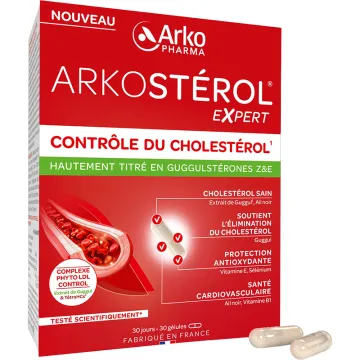
- Major cardiovascular diseases: high blood pressure (the leading preventable cause of death — 1 in 3 French people) — coronary artery disease (angina pectoris, myocardial infarction) — stroke — heart failure — tachycardia and arrhythmias — see heart conditions
- Modifiable risk factors: smoking (the leading modifiable risk factor — Tabac Info Service: 3989) — high cholesterol — high blood pressure — type 2 diabetes — abdominal obesity — physical inactivity — chronic stress — a diet high in saturated fats and low in fiber
- Cardiovascular emergencies — call 15 immediately: heart attack (chest pain radiating to the left arm, jaw, or back — nausea — cold sweats — shortness of breath) — Stroke (FAST acronym: Face drooping, Arm weakness, Speech difficulty, Time to call 15) — any suspicion of a heart attack or stroke is an absolute emergency
How can you prevent cardiovascular disease, and what supplements can help?
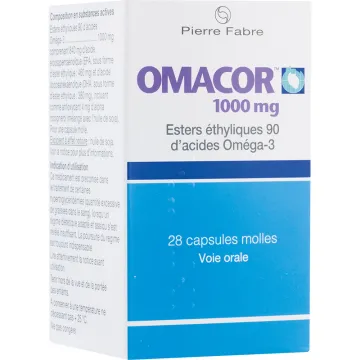
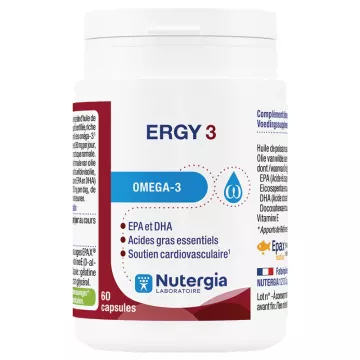
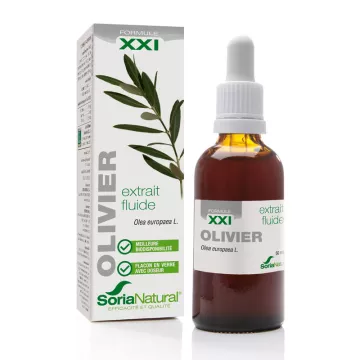
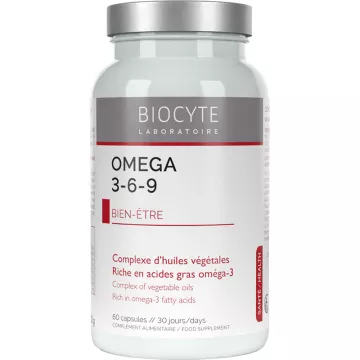
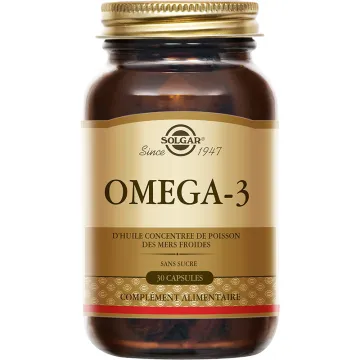
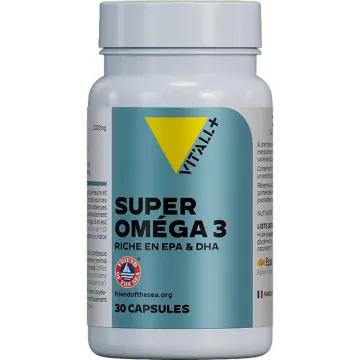
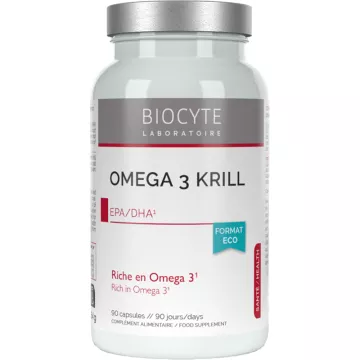
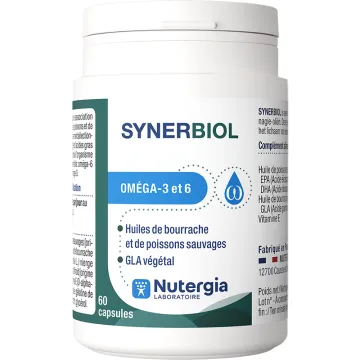
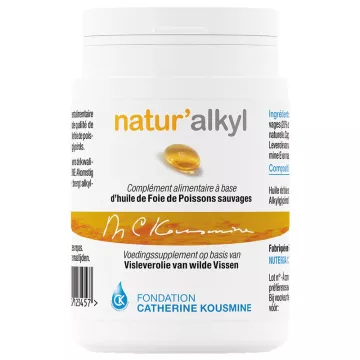
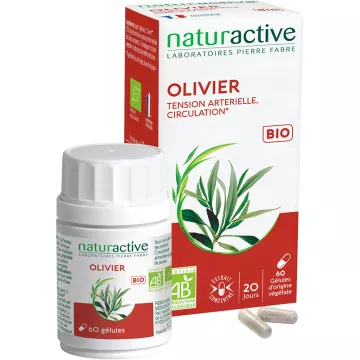
- Heart-healthy diet: Mediterranean diet (olive oil, fatty fish, legumes, colorful vegetables, fruits, nuts) — reduction in saturated and trans fats, salt (< 5 g/day), and refined sugars — omega-3 EPA-DHA (fatty fish 2–3 times per week — documented reduction in triglycerides and inflammation, EFSA health claim regarding cardiac function)
- Physical activity: 150 min/week of moderate activity (WHO recommendations) — strengthens the myocardium, lowers blood pressure, improves the lipid profile, and reduces insulin resistance
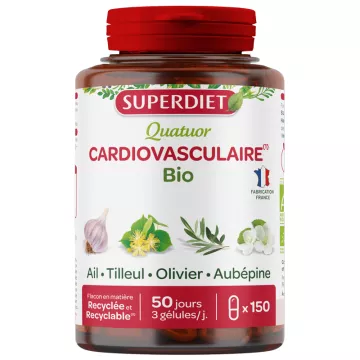
- Hawthorn (Crataegus): cardiovascular tonic — improves coronary perfusion and myocardial contractility — well-established EMA monograph — medical consultation required for patients undergoing cardiac treatment (interactions with antiarrhythmics and digoxin)
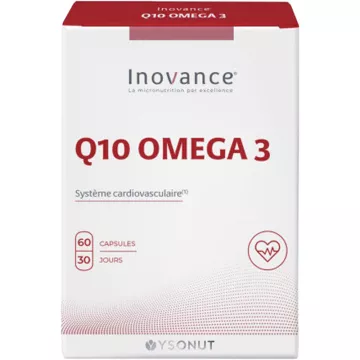
- Coenzyme Q10: cofactor in the mitochondrial respiratory chain (ATP production in cardiomyocytes) — reduced levels in patients taking statins — supports cardiac well-being — 100 to 200 mg/day — does not replace prescribed medications
- Stress management (cardiac coherence, meditation, physical activity), smoking cessation, maintaining a BMI < 25 — consult your doctor regularly for cardiovascular screening (blood pressure, lipid profile, blood glucose, resting ECG)