What is a myocardial infarction, and how does it occur?
A myocardial infarction (MI or “heart attack”) is the death of a portion of the heart muscle resulting from the acute and prolonged blockage of a coronary artery. It is an absolute medical emergency—every minute of delay increases the extent of permanent damage. Call 15 immediately if you suspect a heart attack. Cardiovascular health supplements are available in the store’s cardiovascular health section.
- Pathophysiology: Coronary atherosclerotic plaque (lipid deposit in the arterial wall) → fissure or rupture of the fibrous cap → platelet activation → formation of an occlusive thrombus → ischemia followed by myocardial necrosis (irreversible after 20–40 minutes without reperfusion)
- Location: anterior MI (anterior interventricular artery—AIV—left coronary artery)—inferior MI (right coronary artery)—lateral MI—the location determines the prognosis and management
- Risk factors: smoking — high blood pressure — hypercholesterolemia (high LDL) — type 2 diabetes — abdominal obesity — physical inactivity — family history of early-onset coronary artery disease
What symptoms should you look for, and what steps should you take?
- Typical symptoms: intense, prolonged chest pain (> 20 min) — a sensation of tightness, pressure, or burning — pain radiating to the left arm (or both arms), the jaw, neck, or back — cold sweats — nausea — pallor — shortness of breath — feeling of impending death
- Atypical symptoms (more common in women, people with diabetes, and the elderly): isolated epigastric pain — intense and unusual fatigue — shortness of breath without pain — isolated nausea and vomiting — back or neck pain — never downplay an unusual chest symptom in a person at cardiovascular risk
- What to do — call 15 immediately:
- Call 15 (SAMU) without delay — do not drive yourself to the emergency room
- Sit or lie down — do not exert yourself
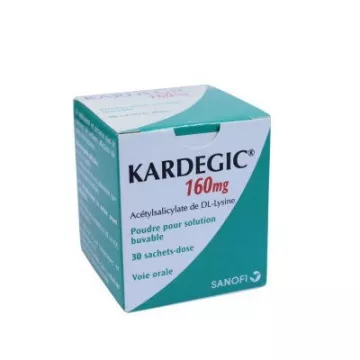
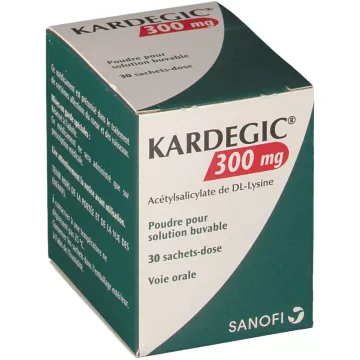
- If aspirin is available and there are no known contraindications (allergy, active bleeding): 250–500 mg chewable (immediate antiplatelet effect)
- Stay on the line with 15 until emergency responders arrive
- Emergency revascularization treatments: primary coronary angioplasty (PCI—dilatation and stent placement—standard of care) — thrombolysis if PCI is not possible within 120 minutes — coronary artery bypass grafting (bypass surgery) in case of failure or complex coronary anatomy — the goal is to reopen the artery as quickly as possible (“time is muscle”)
Secondary prevention and returning to normal life after a heart attack
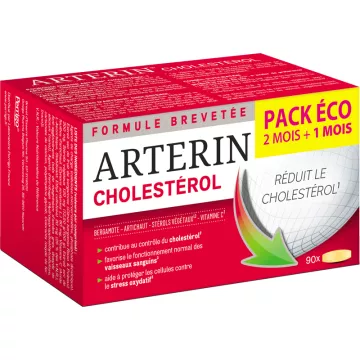
After a heart attack, secondary prevention is essential to reduce the risk of recurrence. It relies on lifelong medical treatment (antiplatelet agents, statins, beta-blockers, ACE inhibitors—strictly prescribed by a cardiologist) and lifestyle changes. The supplements listed below support a healthy lifestyle—they are never a substitute for prescribed treatment.
- Complete cessation of smoking (Tobacco Info Service: 3989)—reduces the risk of recurrence by 50% within 1 year
- Heart-healthy diet: Mediterranean diet— omega-3 EPA-DHA (fatty fish 2–3 times/week—1 g/day documented for post-MI in the GISSI-Prevenzione trial)—reduction in saturated fat and salt
- Coenzyme Q10: mitochondrial cofactor of the myocardium — levels lowered by statins — 100 to 200 mg/day — medical consultation required for patients with coronary artery disease undergoing treatment
- Supervised cardiac rehabilitation: gradual, guided resumption of physical activity — improves long-term survival — 150 minutes per week of moderate-intensity activity after the recovery phase
- See also heart conditions and cardiovascular disease