What is a heart condition, and what types are there?
Heart conditions (or heart disease) encompass all structural, functional, and electrical disorders affecting the myocardium, heart valves, coronary arteries, or the cardiac conduction system. As the leading cause of death worldwide, they are a public health priority. If you experience any acute heart symptoms → call 15 immediately. Heart-support supplements are available in the store’s cardiovascular health line.
- Coronary artery disease: atherosclerosis of the coronary arteries → angina pectoris → myocardial infarction —the leading cause of cardiovascular death
- Heart rhythm disorders (arrhythmias): atrial fibrillation (risk of thromboembolism) — tachycardia — bradycardia — seecardiac irritability and palpitations
- Heart failure: inability of the myocardium to maintain adequate cardiac output — shortness of breath, edema, progressive fatigue — specialized medical care required
- Valvular heart disease: narrowing (stenosis) or leakage (insufficiency) of a heart valve — detected by echocardiography
- Congenital heart diseases: heart defects present at birth — wide range of severity — prenatal ultrasound screening
- See the cardiovascular system for anatomical basics and the cardiac conduction system
What are the warning signs and risk factors for heart conditions?
- Call 15 immediately: severe chest pain radiating to the left arm, jaw, or back + sweating + nausea (heart attack) — severe shortness of breath at rest (pulmonary arterial hypertension) — syncope with palpitations — sudden neurological deficit (stroke)
- Symptoms warranting prompt medical attention: progressive shortness of breath on exertion — repeated or persistent palpitations — persistent ankle swelling — unusual and disproportionate fatigue — recurrent dizziness
- Modifiable cardiovascular risk factors: high blood pressure (the primary modifiable risk factor) — hypercholesterolemia (high LDL) — smoking (Tobacco Info Service: 3989) — type 2 diabetes — abdominal obesity — physical inactivity — chronic stress
- Diagnostic tests: Resting ECG — echocardiogram (structure, valves, LVEF) — stress test — 24–48-hour Holter ECG — coronary angiography — cardiac MRI — performed by a cardiologist
Prevention and natural supplements for heart health
These supplements support a healthy lifestyle—they do not replace prescribed medications (statins, beta-blockers, antiarrhythmics, anticoagulants, ACE inhibitors). Never change a heart treatment without medical advice.
- Heart-healthy diet: Mediterranean diet — omega-3 EPA-DHA (fatty fish 2–3 times/week — EFSA health claim regarding normal heart function) — reduced salt intake (< 5 g/day) and saturated fat — polyphenols (berries, extra virgin olive oil, cocoa)
- Hawthorn (Crataegus): cardiovascular tonic — improves coronary perfusion and myocardial contractility — well-established EMA monograph — contraindicated with antiarrhythmics and digoxin
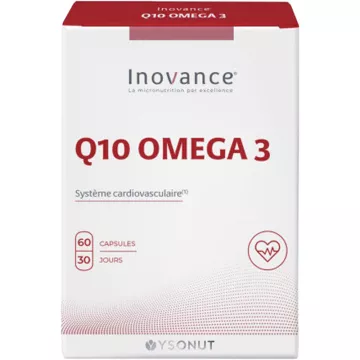
- Coenzyme Q10: mitochondrial cofactor of cardiomyocytes — levels reduced by statins and aging — 100 to 200 mg/day of ubiquinol — see heart muscle
- Physical activity: 150 min/week (WHO) — improves LVEF, normalizes blood pressure, improves lipid profile — adjust intensity to cardiac capacity (with medical approval)
- See also: cardiovascular diseases, cardiovascular system, heart