What is tachycardia, and how is it classified?
Tachycardia refers to a heart rate exceeding 100 beats per minute (bpm) at rest in adults. It can be physiological (due to exercise, stress, or fever) or pathological (due to arrhythmias or underlying heart disease). Any episode of unexplained, recurrent, or symptomatic tachycardia warrants a medical evaluation. Cardiac support supplements are available in the store’s cardiovascular health line.
- Main types based on their origin:
- Sinus tachycardia: physiological acceleration of the sinus node—a normal response to exercise, fever, anxiety, anemia, or dehydration—benign if the cause is identifiable and reversible
- Supraventricular tachycardia (SVT): reentry circuit in the atria or the AV node—abrupt onset and termination—often benign but may cause discomfort and malaise—atrial fibrillation is included in this group
- Ventricular tachycardia (VT): originates in the ventricles — potentially serious — risk of ventricular fibrillation and cardiac arrest — absolute medical emergency
- Diagnosis: ECG (electrocardiogram) first — 24–48-hour Holter ECG for intermittent episodes — stress tests — echocardiography — laboratory tests (thyroid function, anemia, electrolytes) — performed by a cardiologist
What are the causes and warning signs of tachycardia?
- Main causes: stress and anxiety (activation of the sympathetic nervous system) — caffeine, alcohol, tobacco, certain medications (decongestants, bronchodilators, thyroid hormones) — fever and infections — hyperthyroidism — anemia — dehydration — electrolyte imbalances (hypokalemia, hypomagnesemia) — structural heart diseases (heart failure, cardiomyopathies) — Wolff-Parkinson-White syndrome
- Common symptoms of mild episodes: palpitations — sensation of a racing heart — mild fatigue — feeling of a rapid pulse at rest
- Symptoms requiring an immediate call to 15: chest pain or tightness — syncope (loss of consciousness) — severe shortness of breath at rest — intense dizziness with tachycardia — these signs may indicate ventricular tachycardia or a pulmonary embolism
- Difference from palpitations: Palpitations are the subjective perception of heartbeats—they can occur at a normal, rapid, or irregular rate—not all palpitations are tachycardia
Prevention, Lifestyle, and Cardiac Support Supplements
These measures and supplements support heart health in cases of mild functional tachycardia related to stress or lifestyle—they do not treat a diagnosed pathological heart rhythm disorder and are not a substitute for prescribed medications (beta-blockers, antiarrhythmics). Never change a cardiac treatment regimen without medical advice.
- Magnesium: an essential cofactor for cardiomyocyte excitability—deficiency is associated with palpitations, cramps, and autonomic nervous system hyperexcitability — 300 to 400 mg/day as bisglycinate or malate — particularly recommended for chronic stress and fatigue
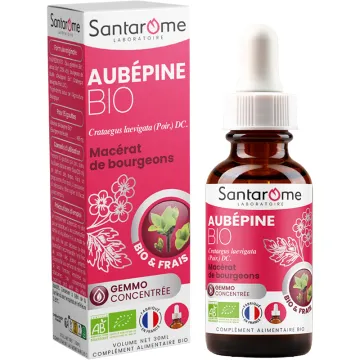
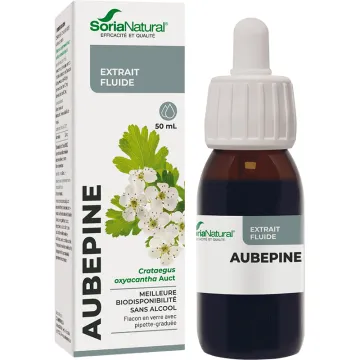
- Hawthorn (Crataegus oxyacantha): flavonoids and procyanidolic oligomers — cardiac tonic and mild sedative of the autonomic nervous system — supports cardiac comfort in mild functional tachycardias and benign anxiety-related palpitations — Well-established EMA monograph — Contraindicated when used in combination with digoxin and other antiarrhythmic drugs (pharmacological interactions) — Medical consultation required for patients undergoing cardiac treatment
- Omega-3 EPA-DHA: documented moderate antiarrhythmic effect — reduced excitability of cardiomyocytes — EFSA health claim regarding normal heart function — 2 to 3 g/day
- Cardiovascular health: stress reduction (cardiac coherence, meditation) — limiting caffeine (< 3 cups of coffee per day) and alcohol — smoking cessation (Tobacco Info Service: 3989) — Adequate hydration (1.5 to 2 L/day) — Regular, age-appropriate physical activity after consulting a doctor — See treatment options for heart conditions andhigh blood pressure