What are heart palpitations, and what are their symptoms?
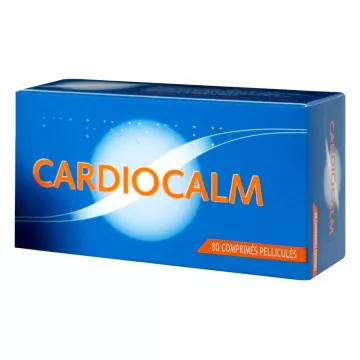
Heart palpitations refer to the abnormal, conscious awareness of one’s own heartbeat—beating too fast, too strongly, irregularly, or with “skipped beats.” They result from hypersensitivity to the heartbeat rather than a heart rhythm disorder itself. In 80% of cases, palpitations are functional (benign)—but some episodes may indicate a pathological arrhythmia requiring medical evaluation. Cardiac support supplements are available in the store’s cardiovascular health line.
- Typical description: sensation of a “racing heart” — beats felt in the chest, throat, or neck — sensation of a missed beat followed by a strong beat (extrasystole) — sudden acceleration or perceived irregularity — often occurs at rest or when going from a sitting to a lying position
- Difference from tachycardia: Palpitations are a subjective sensation — they can occur with a normal, rapid, or slightly irregular heart rate — tachycardia is an objective finding (HR > 100 bpm) — an ECG can distinguish between the two
- Epidemiology: very common (the third most common reason for seeking cardiology care)—affects all age groups—more common in women (due to hormonal fluctuations) and in cases of anxiety
What are the causes, and when should you be concerned?
- Benign functional causes (majority of cases): stress and anxiety (sympathetic hyperactivity) — excessive caffeine (> 3–4 cups of coffee per day) — alcohol — tobacco — heavy meals (postprandial vagal activation) — hormonal changes (menstrual cycles, pregnancy, menopause) — isolated extrasystoles (benign premature beats)
- Medical causes to rule out: arrhythmias (atrial fibrillation, atrial flutter, TAVR) — hyperthyroidism — anemia — dehydration — magnesium or potassium deficiency — medications (decongestants, bronchodilators, certain antidepressants)
- See a doctor promptly if: palpitations accompanied by chest pain — shortness of breath at rest — lightheadedness or syncope (loss of consciousness) — palpitations that consistently occur during exertion — palpitations that last a long time (> 30 minutes) or occur very frequently (several times a day) — history of heart disease or use of heart medications
- Call 15 immediately if: palpitations with severe chest pain + sweating + severe shortness of breath → possible cardiac emergency
How can functional palpitations be prevented naturally?
- Magnesium: a cofactor in cardiac cell excitability — deficiency is very common (chronic stress, magnesium-deficient diet) — reduces the frequency of benign extrasystoles — 300 to 400 mg/day as bisglycinate or malate — to be combined with vitamin B6 to improve cellular uptake
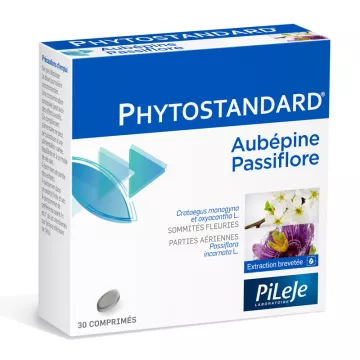
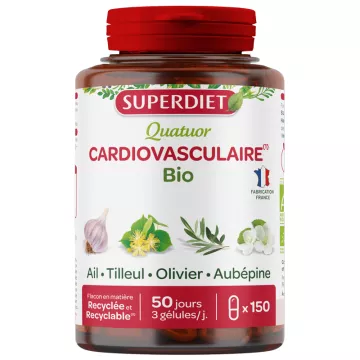
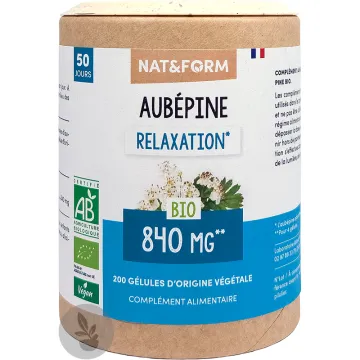
- Hawthorn: cardiac tonic, sedative for the autonomic nervous system — supports a comfortable heart rhythm and reduces anxiety-related palpitations — well-established safety profile — contraindicated with antiarrhythmics and digoxin
- Cardiac coherence: breathing at 5 cycles/min (5-second inhale, 5-second exhale) — increases heart rate variability — reduces sympathetic hyperactivity — 3 sessions/day of 5 minutes each recommended
- Lifestyle factors: limit caffeine (< 3 cups of coffee per day) — quit smoking (Tobacco Info Service: 3989) — limit alcohol — avoid very large meals in the evening — hydration: 1.5 to 2 L/day (to prevent electrolyte imbalances) — adequate sleep (7 to 9 hours/night)
- See also heart conditions and the cardiovascular system for a comprehensive approach