Crataegus Oxyacantha by Boiron: Homeopathic Treatment for Arrhythmia and Palpitations
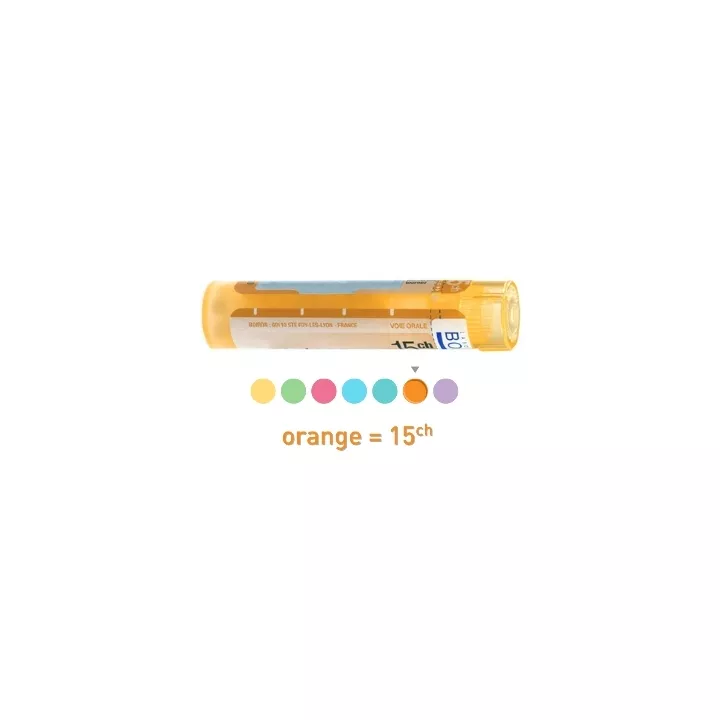
Crataegus Oxyacantha 4CH, 5CH, 7CH, 9CH, 15CH, 30CH, 6DH Granules, Doses, or 4DH Oral Solution
French Name: AUBEPINE
Registered Medication: EH00338
Listed in the pharmacopoeia
Origin: Plant-based
Discover Boiron’s Crataegus Oxyacantha, a homeopathic medicine for the treatment of cardiac arrhythmia, palpitations, and stress. Enjoy natural support for your heart and emotional well-being.
Indications and Dosage
Homeopathic medicines—whether in granule tubes or globule doses—can be used for a variety of symptoms; therefore, it is not possible to specify the indications and dosage for a particular preparation.
A homeopathic physician selects the appropriate remedy, dilution, and dosage based on the patient’s health condition and characteristic symptoms.
General Information
Dosage Forms: Mother tincture, Granules, Drops
Name: Crataegus oxyacantha
Specialties: Cardiology, Psychiatry
Therapeutic Indications: Cardiac tonic, Anxiety attacks, Stress, Nervousness, Tachycardia
Origin of the Homeopathic Stock
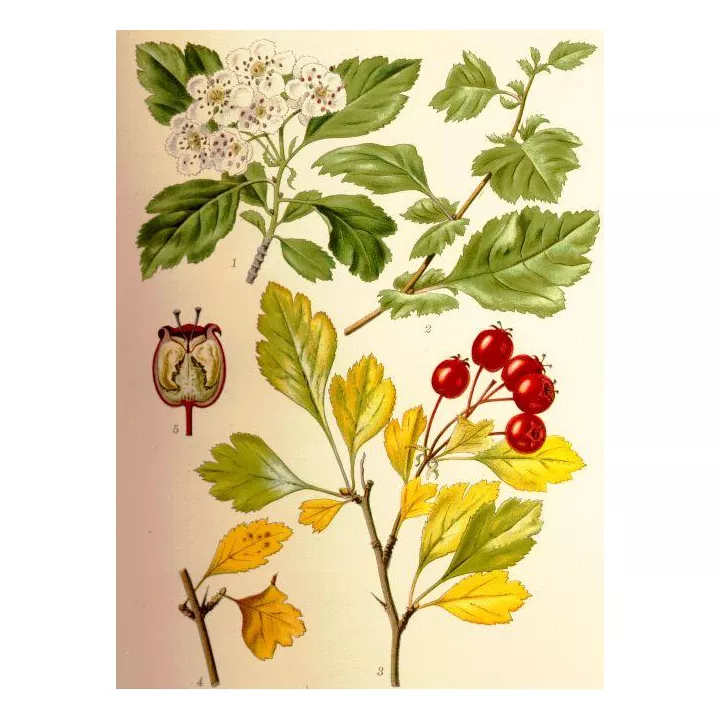
Crataegus Oxyacantha is a homeopathic remedy prepared from hawthorn, a plant known for its cardiotonic properties. The mother tincture is typically obtained from the plant’s flowers and berries.
Clinical Applications
This remedy is traditionally used for several conditions related to the cardiovascular and nervous systems:
- Cardiotonic: It acts as a cardiac regulator, especially in cases of mild heart weakness.
- Anxiety Attacks and Stress: It is also used in psychiatry to alleviate symptoms related to anxiety, stress, and nervousness.
- Tachycardia: The medication is also indicated for managing episodes of tachycardia, in which the heart rate is abnormally high.
Strengthening the Heart with Nature
Boiron’s Crataegus Oxyacantha, prepared from hawthorn, is a valuable homeopathic support in cardiology, specially formulated for people suffering from cardiac arrhythmia, palpitations, and mild heart failure. This natural remedy is also known to relieve feelings of chest tightness and stress, offering a holistic approach to cardiac and emotional well-being.
Relief Through Calm and Fresh Air
The symptoms treated by Crataegus oxyacantha tend to worsen in hot, confined environments but improve significantly with calm, rest, and exposure to fresh air. This homeopathic remedy is therefore particularly well-suited for those seeking natural and effective relief from cardiac conditions exacerbated by stress and environmental factors.
Multiple Uses and Benefits
In addition to its use in cardiology, Crataegus Oxyacantha plays an important role in managing stress and disruptive emotional states, thanks to its calming and soothing properties. Its ability to regulate cardiac functions makes it a valuable ally in maintaining optimal heart health and improving the quality of life for people affected by these conditions.
Dosage and Administration Protocol
Cardiology
- Cardiac Tonic: 20 drops of mother tincture, diluted in a small amount of water, three times a day.
- Tachycardia: 5 granules in a 30CH dilution, twice daily, to be adjusted according to symptoms.
Psychiatry
- Anxiety Attacks, Stress, Nervousness: 20 drops of hawthorn mother tincture, to be taken during episodes of intense stress, up to three times a day.
Recommendations
It is recommended to consult a healthcare professional for an accurate diagnosis and a personalized treatment plan. The medication should be taken between meals. Allow the granules to dissolve under the tongue for optimal absorption.
Crataegus Oxyacantha 4CH, 5CH, 7CH, 9CH, 15CH, 30CH, 6DH Granules, doses, or 4DH oral solution is a versatile homeopathic remedy used in both cardiology and psychiatry. It is used as a cardiac tonic and for the symptomatic treatment of various conditions such as anxiety attacks, stress, and tachycardia. As with any medication, it is essential to follow medical recommendations to ensure optimal effectiveness.
Directions for Use
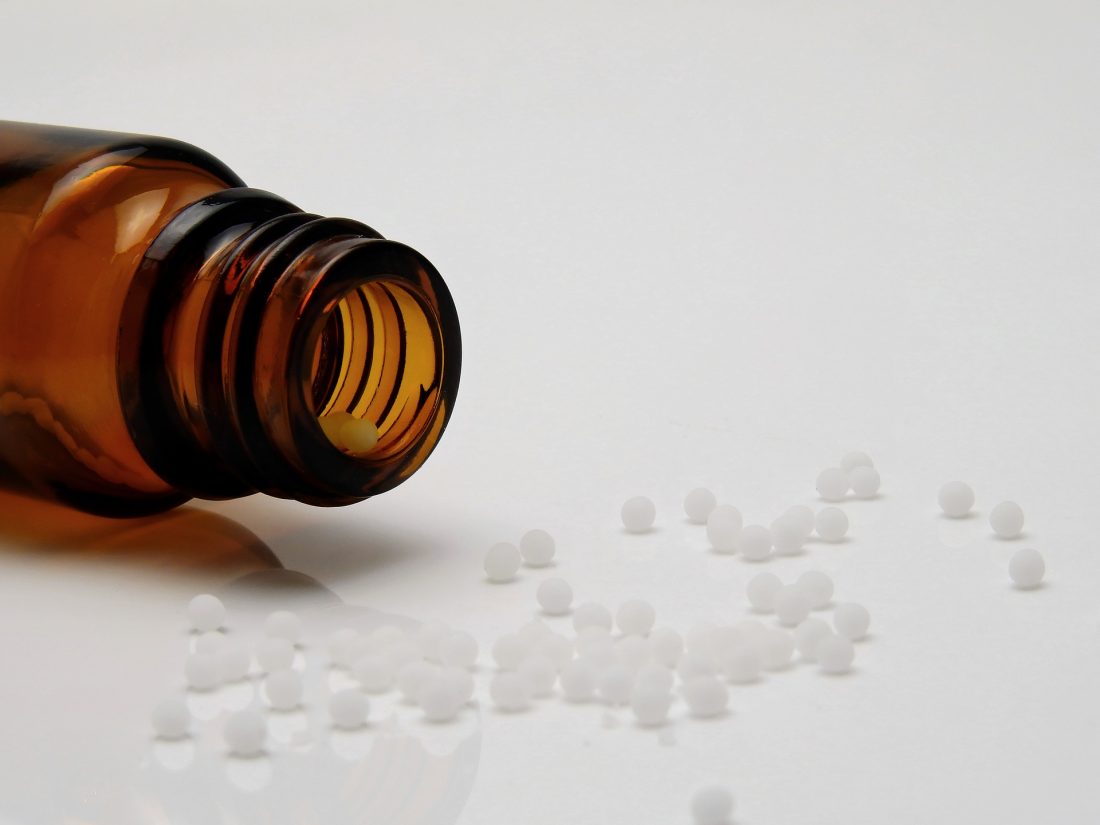
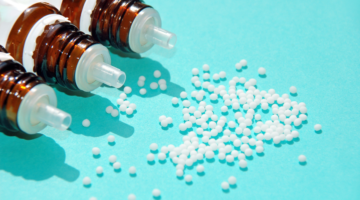
Remove the tab, turn the tube upside down, and gently pull the cap.
Twist the tube to dispense the desired number of granules into the cap, then place the granules under the tongue.
It is recommended that you do not touch the granules or homeopathic globules with your fingers.
The globules from the dose tubes are taken all at once by allowing them to dissolve slowly under the tongue. If a dose is missed, take 10 granules of the same dilution.
Do not consume astringent substances—such as coffee, tobacco, camphor, mint, or chamomile—within half an hour before taking homeopathic remedies.
Use a mint-free toothpaste (such as Homéodent Boiron, a toothpaste compatible with taking homeopathic granules).
Can Crataegus Oxyacantha be taken daily?
Yes, Crataegus Oxyacantha can be used as part of a daily regimen, but it is essential to consult a healthcare professional to determine the appropriate dosage and frequency of use for your situation.
Are there any side effects?
As a homeopathic remedy, Crataegus Oxyacantha is generally well tolerated with a minimal risk of side effects. However, as with any treatment, it is recommended that you monitor your reaction to the remedy and consult a healthcare professional if you have any concerns.
How long does it take to see an improvement in symptoms?
Results may vary from person to person. Some users report improvement after a few days, while for others, the effects may take longer to appear. Regular and consistent use is recommended to fully benefit from the effects of Crataegus Oxyacantha.
Can Crataegus Oxyacantha be used preventively?
Yes, Crataegus Oxyacantha can be used preventively by those with a history of tachycardia or palpitations to help maintain a healthy heart rhythm. Consult a healthcare professional for personalized advice.
How long does it take to see an improvement?
Although results may vary from person to person, some users report an improvement in symptoms after a few weeks of regular use. Follow a healthcare professional’s recommendations for the optimal duration of treatment.
Can Crataegus Oxyacantha be combined with other treatments?
Crataegus Oxyacantha can generally be combined with other treatments. However, it is advisable to consult a healthcare professional to ensure there are no interactions and to receive comprehensive care tailored to your condition.
Packaging and Quantity
Crataegus Oxyacantha, commonly known as hawthorn, is a plant-based homeopathic remedy recognized for its therapeutic properties, particularly regarding the cardiovascular system. Listed in the French and European pharmacopoeias under number EH00338, this homeopathic medicine harnesses the beneficial properties of hawthorn, a shrub whose flowers and berries are traditionally used for their beneficial effects on the heart and blood vessels.
Origin and Properties
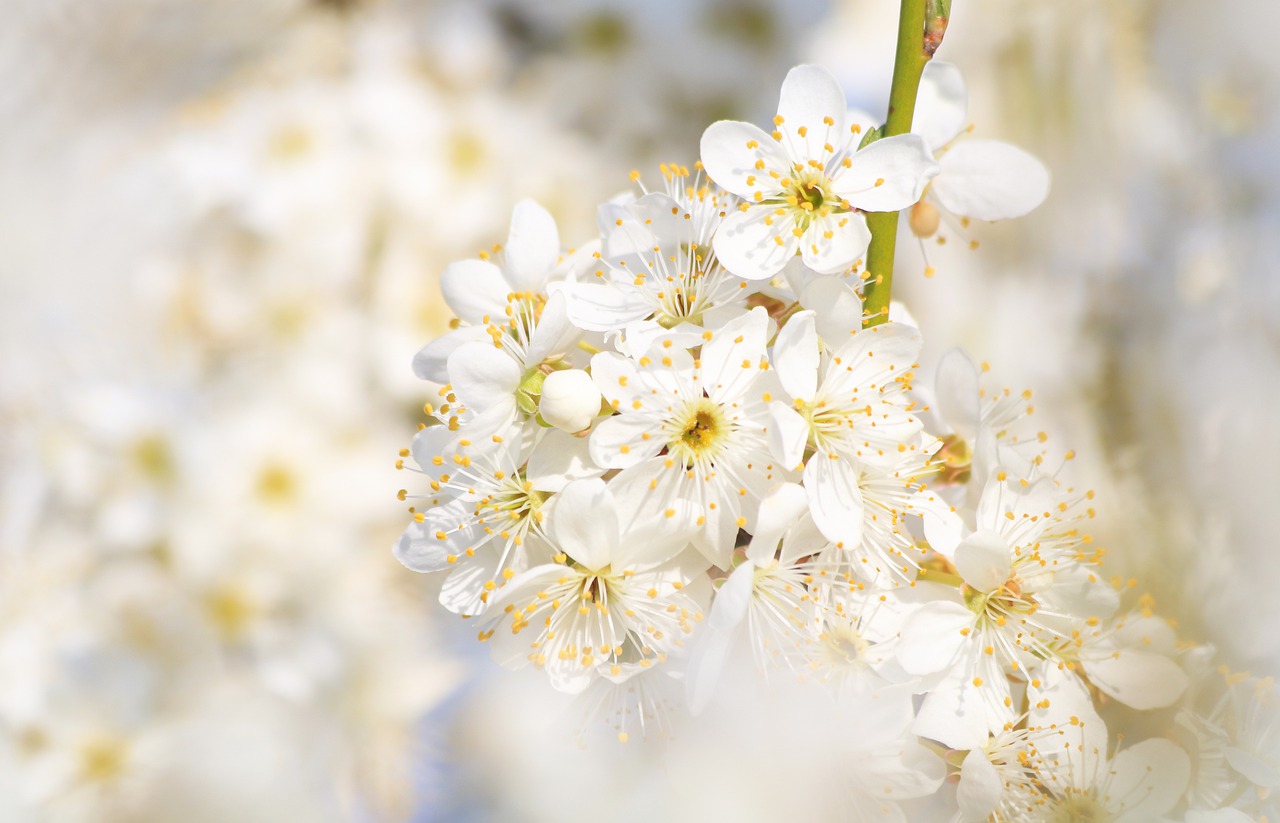
Hawthorn is a thorny shrub of the Rosaceae family, prized for its white or pink flowers and red berries. Extracts from this plant have been used for centuries in traditional medicine to treat various heart conditions and improve cardiovascular function. In homeopathy, Crataegus oxyacantha is prepared from the whole plant, following a process of dilution and potentization to create an effective and safe remedy.
Availability
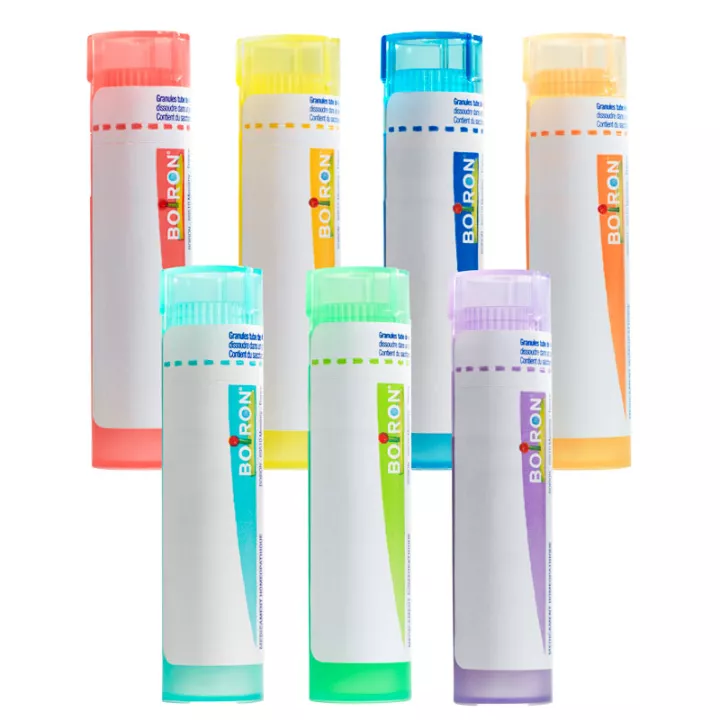
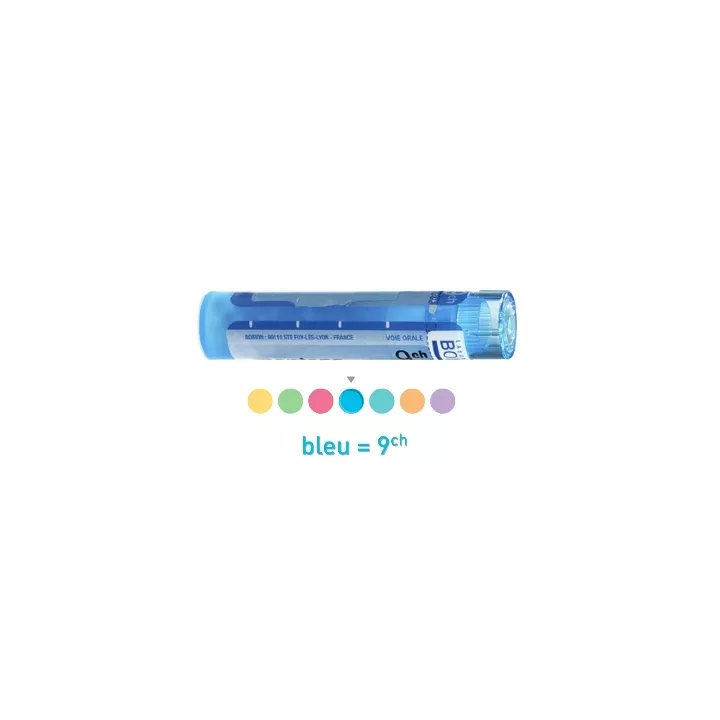
Dosages, Drops (alcohol-based), and Tubes: Available in potencies of 5 CH, 9 CH, 12 CH, 15 CH, and 30 CH; as alcohol-based drops at a 4 DH dilution; and in tubes at potencies of 4 CH, 5 CH, 7 CH, 9 CH, 15 CH, and 30 CH, Crataegus Oxyacantha offers a variety of forms to meet everyone’s therapeutic needs.
Compounded Preparations
In addition, compounded preparations of Crataegus Oxyacantha can be made, using Hahnemannian dilutions starting at 2 CH and Korsakovian dilutions at 200K, 1,000K, and 10,000K. These customized preparations allow the treatment to be tailored to the patient’s specific condition.
Therapeutic Applications
In homeopathy, hawthorn is primarily used for its effects on the cardiovascular system, including support for mild heart failure, palpitations, nervous tension affecting the heart, and to help regulate blood pressure. Its soothing and relaxing properties are also valued for improving sleep quality and reducing anxiety.
Precautions
Warning
Contains sucrose. Store homeopathic medicines away from light, heat, moisture, and any sources of fumes or fragrances.
Administering homeopathic granules to infants and children
For granules or alcohol-based drops, dissolve them in 100 ml of water. Since the granules take a long time to dissolve, you should prepare the mixture in advance.
Homeopathy and Pregnancy
Homeopathic remedies have no chemical toxicity, no contraindications, no interactions with other medications, and no adverse effects related to the amount ingested. Pregnant women can use homeopathic remedies without any known risk to themselves or their unborn child, but it is best to seek advice.
Frequency of Homeopathic Use
For acute conditions, it is recommended to take homeopathic remedies every hour until symptoms improve. Once symptoms improve, doses should be spaced out to 3 or 4 times a day, then gradually discontinued.
For chronic conditions, remedies in low dilutions (>9CH) are taken 1 to 2 times a day; constitutional remedies are taken once a week or even once a month. This decision is made by the homeopath.
What to Do If There Is No Improvement Within 24 Hours
Certain conditions cannot be treated with homeopathy through self-medication alone. Their severity requires medical advice, which can be provided by a homeopathic physician. This physician will determine whether your condition can be treated with homeopathy alone or whether your treatment needs to be supplemented with allopathic medicine.