What are some tips for daily skin care?
Maintaining healthy skin depends on a simple, consistent routine tailored to your skin type, age, and lifestyle. Three key steps form the foundation of a solid routine:
- Cleansing in the morning and evening with a gentle product that has a pH close to that of the skin (around 5.5) to remove impurities, excess sebum, and pollution residue without stripping the hydrolipidic film.
- Moisturizing with a cream, lotion, or serum suited to your skin type (dry, combination, oily, sensitive). Moisturizing maintains the suppleness of the stratum corneum and limits transepidermal water loss.
- Applysunscreen every morning: SPF 30 to 50 depending on the situation. This is the best-documented anti-aging and skin cancer prevention measure.
Toners are optional: while they may be beneficial for oily skin or to prepare the skin for active ingredients, they are not essential for skin that tolerates products well. A simple, consistent routine yields better results than using too many products.
Why protect your skin from the sun?
Sunscreen limits the effects of ultraviolet radiation: UVB rays are primarily responsible for sunburn and skin cancers (carcinomas, melanoma); UVA rays penetrate more deeply and accelerate skin aging (photoaging). Practical guidelines:
- Apply topical sun protection daily, even on cloudy days and when indoors behind glass, to protect against UVA rays.
- Reapply every 2 hours during prolonged sun exposure and after swimming or sweating.
- Wear protective clothing, a wide-brimmed hat, and UV-filtering sunglasses.
- Avoid intense sun exposure between noon and 4 p.m.
- No prolonged exposure for young children; no exposure at all for infants under 6 months of age (current recommendations).
Dermatological monitoring of moles is recommended for those at high risk (fair skin type, personal or family history, past intense sun exposure).
How do you choose products suited to your skin type?
Identifying your skin type guides your selection:
- Dry skin: products rich in emollients (shea butter, plant oils) and humectants (glycerin, hyaluronic acid).
- Oily skin: Light, non-comedogenic textures, fluid lotions, and sebum-regulating formulas (niacinamide, zinc, BHA at cosmetic concentrations).
- Combination skin: water-based balancing products, or two separate treatments depending on the area (light gel for the T-zone, a more emollient cream for the cheeks).
- Sensitive skin: gentle formulas, dermatologically tested, free of heavy fragrances, with soothing ingredients (allantoin, panthenol B5, chamomile). Test on the inner elbow 24 to 48 hours before using a new product.
- Mature skin: antioxidants, peptides, cosmetic retinol in gradually increasing doses, intensive hydration, and enhanced sun protection.
Which ingredients should you prioritize in your skincare routine?
Several cosmetic active ingredients have shown promising results in studies:
- Cosmetic retinol: supports superficial skin renewal and the visual reduction of wrinkles. Photosensitizing: apply in the evening; use SPF the next day. Not to be confused with medical retinoids (tretinoin, adapalene), which are prescription medications contraindicated during pregnancy due to their teratogenicity.
- Vitamin C (stable L-ascorbic acid, derivatives): a major antioxidant that helps brighten the complexion and visually reduces superficial pigmentation. The term “lighten” here refers to an effect on the complexion, without depigmenting properties in the medical sense.
- Hydroxy acids: AHAs (glycolic, lactic) for surface exfoliation; BHAs (salicylic acid, max 2% in cosmetics according to EC Regulation 1223/2009) are better suited for combination to oily skin. Photosensitizers: SPF is essential.
- Niacinamide (B3): regulates sebum, visually minimizes the appearance of pores, and soothes redness.
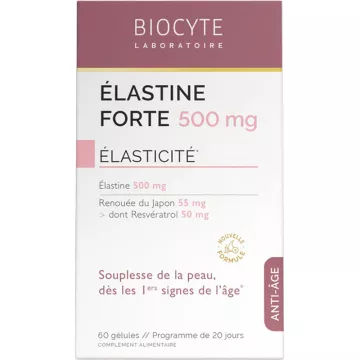
- Bioactivepeptides: help maintain skin elasticity.
- Ceramides, hyaluronic acid, glycerin: for the skin barrier and hydration.
What mistakes should you avoid in a skincare routine?
A few common mistakes can compromise skin health:
- Using too many products without a consistent routine or gradual progression.
- Over-exfoliating (combining mechanical and chemical exfoliation), which leads to irritation and damage to the skin barrier.
- Ignoring sun protection, especially when using photosensitizing active ingredients (retinoids, AHAs/BHAs, vitamin C, depending on the formula).
- Mixing incompatible active ingredients in the same step (e.g., retinol and exfoliating acids at the same time); instead, alternate them night by night.
- Failing to adapt your skincare routine to seasonal changes (richer textures in winter, lighter ones in summer).
- Delaying a dermatology consultation if symptoms persist.
How should acne and hyperpigmentation be treated?
Foracne, the approach depends on the severity:
- Mild acne: a gentle routine, treatments containing salicylic acid (BHA, max 2%) or niacinamide, and proper facial hygiene. Do not squeeze the lesions.
- Moderate to severe acne: topical benzoyl peroxide as advised by a pharmacist or by prescription (photosensitizing, bleaches fabrics and bedding, initially irritating); topical retinoids (adapalene) by prescription. Refractory or inflammatory acne: consult a dermatologist to discuss medical treatment (antibiotics, oral isotretinoin for severe cases, under strict medical supervision).
For pigmentation spots: strict sun protection (without which no skincare product will provide lasting results), skincare products containing stable vitamin C, niacinamide, tranexamic acid, and alpha-arbutin at cosmetic concentrations.Hydroquinone is prohibited for depigmenting use in cosmetics in France and the European Union (Annex II of Regulation (EC) No. 1223/2009); any over-the-counter depigmenting product must be free of it. In the event of a newly appearing spot, a change in appearance, bleeding, or itching, a dermatological evaluation is necessary to rule out a suspicious lesion. Superficial chemical peels or targeted laser treatments are medical options to discuss with a dermatologist.
What role does diet play in skin health?
Diet contributes to the overall quality of the skin:
- Antioxidants (vitamins A, C, E, polyphenols, carotenoids) found in fruits, vegetables, berries, leafy greens, citrus fruits, and nuts.
- Essential fatty acids (omega-3s from fatty fish, nuts, flaxseeds, and canola oil), which have a generally beneficial effect on systemic inflammation.
- Protein intake (amino acids that are precursors to collagen).
- Regular hydration (1.5 to 2 liters of water per day according to general recommendations, to be adjusted as needed).
- According to several studies, a high intake of high-glycemic-index foods and dairy products may be associated with worsening acne in some people; the evidence remains mixed, and the effect varies widely depending on individual profiles. Consulting a doctor or dietitian allows for a personalized approach if needed.
How can you prevent and reduce wrinkles and fine lines?
Skin aging is a normal biological process and cannot be reversed. Several measures can slow its progression and visually reduce its signs:
- Daily sun protection (the most effective proven anti-aging measure).
- Gradual use of cosmetic retinol (start with a low dose, apply at night, use SPF the next day).
- Stable vitamin C in the morning under SPF.
- Peptides, hyaluronic acid, and antioxidants in serums or creams.
- Avoid tobacco and excessive alcohol; ensure quality sleep; maintain a varied diet.
- Complementary medical procedures (peels, laser treatments, fillers) should be discussed with a dermatologist or cosmetic physician based on individual needs.
The idea of “anti-aging starting in your thirties” is more of a marketing gimmick than a physiological necessity: sun protection and hydration are sufficient in most cases before the first signs of aging appear.
What are the best practices for effective exfoliation?
Exfoliation supports superficial skin renewal but should be done in moderation:
- Opt for gentle chemical exfoliation (low-concentrationglycolic, lactic, or mandelicacid ) rather than aggressive mechanical scrubs.
- Oily skin: BHA (cosmetic-gradesalicylic acid ) once or twice a week.
- Sensitive skin: Very gentle exfoliation once a week at most, or take a break depending on the time of year.
- SPF is essential in the days following treatment (photosensitivity caused by AHAs/BHAs).
- If irritation occurs, stop exfoliating and use soothing skincare products for a few days.
- Never combine exfoliation and retinoids in the same routine: alternate them night by night.
How to Choose the Right Moisturizer for Your Skin Type?
Choose yourmoisturizer based on your skin type:
- Dry skin: rich creams, nourishing balms, formulas containing ceramides, shea butter, glycerin, and hyaluronic acid.
- Oily skin: lightweight lotions, hydrating gels, non-comedogenic formulas, niacinamide.
- Combination skin: balancing cream or a two-step routine (gel on the T-zone, a richer cream on the cheeks).
- Sensitive skin: gentle creams, free of heavy fragrances, formulated with soothing ingredients (panthenol B5, allantoin).
- Mature skin: richer creams containing targeted active ingredients (peptides, antioxidants, cosmetic retinol).
Moisturizing can be adjusted for the seasons: richer textures in winter, lighter ones in summer. If you experience persistent tightness, redness, or inflammatory breakouts despite a simple, well-tolerated routine, consulting a dermatologist can help identify the underlying cause.