What is the heart, and how does it work?
The heart is a hollow muscular organ weighing about 300 g, located in the mediastinum (between the two lungs), slightly shifted to the left. It is the central pump of the cardiovascular system —it contracts about 100,000 times a day and pumps 7,000 liters of blood daily. Any acute heart-related symptom warrants calling 15 immediately. Cardiac support supplements are available in the store’s cardiovascular health line.
- Functional anatomy: four chambers—right atrium (receives systemic venous blood) + right ventricle (pumps blood to the lungs) + left atrium (receives oxygenated blood) + left ventricle (pumps blood into the aorta toward the body) — four valves (mitral, tricuspid, aortic, pulmonary) ensuring unidirectional blood flow
- Cardiac cycle: systole (contraction—ejection of blood into the arteries) + diastole (relaxation—ventricular filling)—regulated by the intrinsic electrical system (sinus node → AV node → His bundle → Purkinje fibers) — normal rate 60 to 100 bpm at rest
- ECG (electrocardiogram): a recording of the heart’s electrical activity—detects arrhythmias, coronary ischemia, and ventricular hypertrophy—a standard test performed in 10 minutes—recommended starting at age 40 as part of a health checkup
What are the main heart problems and their warning signs?
- Atherosclerosis: progressive buildup of lipid plaques in the arterial walls → narrowing of the coronary arteries → angina → risk ofheart attack if a plaque ruptures and causes a thrombus
- Heart failure: insufficient pumping → progressive shortness of breath (initially on exertion, then at rest) — ankle swelling — excessive fatigue
- Heart rhythm disorders: arrhythmias, atrial fibrillation — palpitations, dizziness, fainting spells — diagnosis via ECG or Holter monitor
- Cardiac emergencies — call 15 immediately: severe chest pain radiating to the left arm, jaw, or back + cold sweats + nausea (heart attack) — severe shortness of breath at rest — loss of consciousness associated with an irregular heartbeat
- Role of cholesterol: Oxidized LDL infiltrates the arterial wall (atheroma) — HDL is protective (reverse transport to the liver) — annual lipid panel recommended in cases of cardiovascular risk factors
- High blood pressure: chronic mechanical stress on the arterial walls and the heart muscle — the leading modifiable cause of cardiovascular mortality
How can you take care of your heart naturally?
- Heart-healthy diet: Mediterranean diet — reduced salt intake (< 5 g/day — WHO) and saturated fats — fatty fish (omega-3) 2 to 3 times a week — colorful fruits and vegetables (antioxidants) — legumes (soluble fiber) — limit alcohol
- Physical activity: 150 minutes per week of moderate activity (walking, swimming, biking)—helps control blood pressure and improves lipid profile
- Hawthorn: cardiovascular tonic, improves coronary perfusion — well-established EMA — contraindicated with antiarrhythmics and digoxin
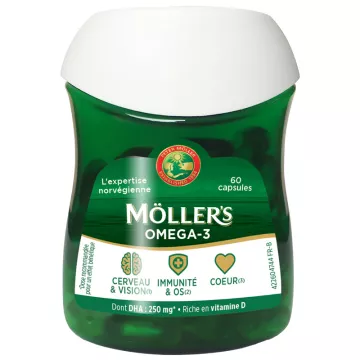
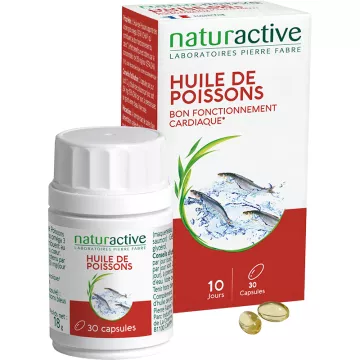
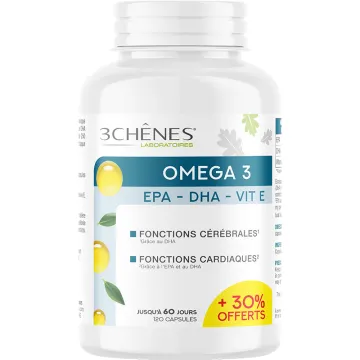
- Omega-3 EPA-DHA: EFSA health claim “contributes to the normal functioning of the heart” — 2 to 3 g/day
- Coenzyme Q10: an energy cofactor for cardiomyocytes, levels of which are reduced by statins — 100 to 200 mg/day — see cardiovascular diseases — medical advice required for patients with heart conditions undergoing treatment