0
Menu

Meadowsweet – A natural, soothing plant with diuretic properties

Filter
Number of products : 11
Sort
Sort
Close
Meadow Sweet, Cut Top, Iphym Herbal Shop Meadow Sweet, Cut Top, Iphym Herbal Shop
100 g 250 g +
€9.73
Add to cart
Sent in 5 in 7 working days
Superdiet Organic Cranberry and Meadowsweet 45 Tablets Superdiet Organic Cranberry and Meadowsweet 45 Tablets
€6.79
Shipped within 24h
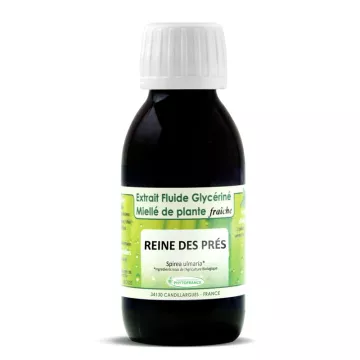
Organic Meadowsweet EFG 125 ml PhytoFrance Organic Meadowsweet EFG 125 ml PhytoFrance
€7.95
Shipped within 24h
Superdiet Organic Urinary Comfort Quartet, 20 ampoules Superdiet Organic Urinary Comfort Quartet, 20 ampoules
€17.45
Shipped within 24h
Nat & Form Meadowsweet organic 200 vegetarian capsules Eco Nat & Form Meadowsweet organic 200 vegetarian capsules Eco
€10.99
Shipped within 24h
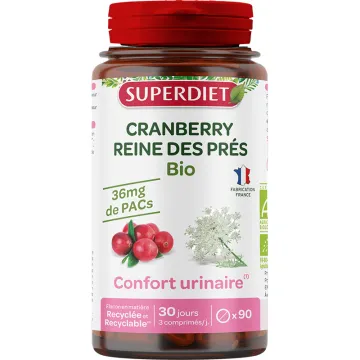
Superdiet Organic Cranberry for Urinary Comfort Capsules, 90 Count Superdiet Organic Cranberry for Urinary Comfort Capsules, 90 Count
€12.60
Shipped in 5 to 7 working days
Ladrôme Organic Fresh Plant Extracts: Meadowsweet, 50 ml Ladrôme Organic Fresh Plant Extracts: Meadowsweet, 50 ml
€8.19
Ships in 5-7 business days
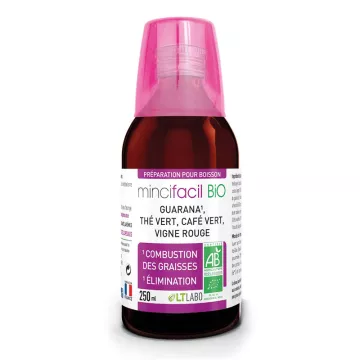
LT Labo Mincifacil Organic Fat-Burning Drink for Weight Loss LT Labo Mincifacil Organic Fat-Burning Drink for Weight Loss
250 ml 500 ml
€16.10
Add to cart
Shipped in 5 to 7 working days
Wamine Doloflamil Joint Massage Gel for Dogs and Cats, 125 g Wamine Doloflamil Joint Massage Gel for Dogs and Cats, 125 g
€26.90
Shipped in 5 to 7 working days

What is meadowsweet?

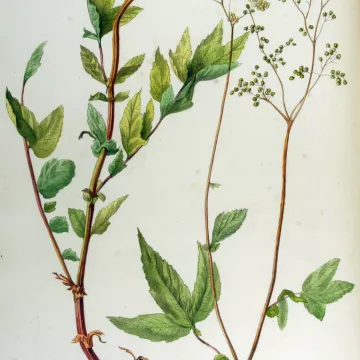
Meadowsweet (Filipendula ulmaria), also known as meadowsweet spirea, is a perennial plant in the Rosaceae family, native to the wetlands of Europe and Asia. Its cream-white flowering tops give off a characteristic almond scent and contain salicylates (methyl salicylate, monotropitin), flavonoids (spireoside), and tannins. It was precisely from this plant that salicylic acid—the precursor to aspirin—was first isolated in the 19th century. It is listed in the European Pharmacopoeia.

What are the benefits of meadowsweet?

The traditional uses recognized by the EMA fall into three categories:

  • Relief of mild joint pain, muscle aches, and muscle discomfort;
  • Supporting kidney drainage and helping with water retention;
  • Digestive comfort for stomachaches and bloating;
  • Mild diaphoretic effect during mild episodes of fever;
  • Support for seasonal detoxification regimens.

Why is it called “plant-based aspirin”?

The salicylates found in the flowering tops are natural precursors to salicylic acid, the parent molecule of aspirin. Unlike aspirin, these compounds are accompanied by tannins and flavonoids that modulate their action and limit irritation of the gastric mucosa. However, meadowsweet is not a substitute for any medical treatment and carries all the same contraindications as salicylates. Its use must be closely monitored in high-risk individuals.

Does it really soothe sore joints?

Its gentle analgesic action makes it a plant of choice for managingosteoarthritis, mild chronic rheumatic pain, and morning stiffness. It fits naturally into herbal approaches to joint care and supports joint comfort when taken regularly. Any acute, fever-associated, or progressive joint pain warrants medical consultation.

Is it helpful for drainage and body contouring?

Its flavonoids have a diuretic effect that is valued in drainage regimens. It is used alongside birch, birch sap, and dandelion in spring detox regimens. It also supports weight-loss programs by addressing discomforts associated with water retention, as a complement to a balanced diet.

Does it also relieve digestive discomfort?

The tannin fraction of meadowsweet has a mild astringent effect on the digestive mucosa. It helps alleviate bloating, a heavy feeling in the stomach, and functional digestive disorders. Its good gastric tolerance makes it an exception among salicylate-containing plants, but this does not mean it is suitable for active ulcers.

How should meadowsweet be incorporated into a treatment regimen?

The dosage forms depend on the intended use:

  • Infusion: 1 to 2 teaspoons of dried flowers per 250 ml of simmering water (not boiling, to preserve the salicylates), steep for 10 minutes, 2 to 3 cups per day;
  • Mother tincture: 30 to 50 drops in a glass of water, 2 to 3 times a day;
  • Capsules or standardized dry extract for a measured and consistent treatment regimen;
  • Flower poultice for external use on painful joints;
  • Typical treatment course: 3 weeks, to be repeated at the change of seasons or as a maintenance regimen in cases of chronic joint discomfort.

What precautions should be taken with meadowsweet?

  • Allergy to salicylates (aspirin, NSAIDs): strict contraindication;
  • Anticoagulant or antiplatelet therapy: risk of potentiation; medical advice is essential;
  • Aspirin-induced asthma, Widal syndrome: avoid;
  • Pregnancy, breastfeeding, and children under 12 years of age: avoid (as with all salicylates);
  • Severe renal insufficiency, active gastroduodenal ulcer: not recommended;
  • Discontinue use 7 days prior to surgery.

Which herbs can be combined with meadowsweet?

Herbal combinations should be chosen based on the desired effect:

  • Devil’s claw and black currant to enhance joint support;
  • Birch and dandelion for comprehensive liver-kidney drainage;
  • Marshmallow and lemon balm for associated digestive comfort;
  • Stinging nettle and horsetail to provide long-term support for joints and bones.