Influenzinum is a homeopathic remedy prepared each year from the influenza virus strains selected by the World Health Organization for the upcoming season. It follows the isotherapeutic tradition of Pasteurianhomeopathy, which uses very high dilutions of inactivated pathogens.
Available in granules or single doses, Influenzinum is one of the most commonly prescribed homeopathic remedies in France during the winter months. Along with Thymulin and other preparations, it ranks among the essential homeopathic remedies in the materia medica.
Influenzinum is traditionally used for winter prevention, as part of a strategy to support seasonal immunity. Its use is based on the principle of similarity specific to homeopathy and on a long tradition of prescribing by homeopathic physicians.
It is valued for its generally good tolerability in children, adults, and the elderly, and for the absence of contraindications with most conventional treatments. The French National Authority for Health (HAS) evaluated homeopathy in 2019 and did not conclude that it was more effective than a placebo; homeopathic medicines have not been reimbursed by the French national health insurance system since 2021. Influenzinum nevertheless retains a recognized place in French healthcare culture, provided it is used as a complement to—and not as a substitute for—a validated prevention strategy.
Influenzinum is formulated from seasonal influenza virus strains updated annually in accordance with WHO recommendations and adopted by approved homeopathic laboratories. This update reflects the antigenic evolution of circulating influenza A and B viruses.
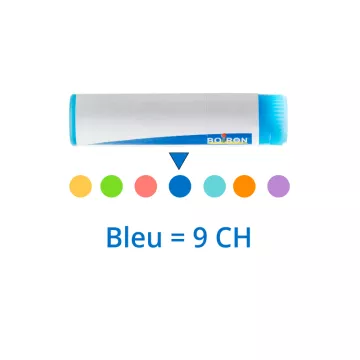
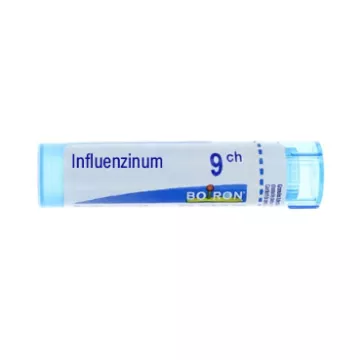
The strains are inactivated and then subjected to the Hahnemannian process of successive dilutions and succussions. The standard strengths—9 CH, 15 CH, or 30 CH—correspond to high dilutions in which the starting material is no longer physically present. The finished product comes in the form of sucrose and lactose granules or single doses to be allowed to dissolve under the tongue.
The standard preventive regimen involves taking one dose weekly at the start of the season, followed by a monthly maintenance dose. This protocol can be adjusted by a homeopathic physician based on the patient’s constitution, exposure, and medical history.
The most widely used protocol involves one dose per week for 4 to 5 weeks in the fall, followed by one dose per month as maintenance until the end of winter. Take it away from meals, tobacco, coffee, and strong essential oils, allowing the granules to dissolve under the tongue. This ritual fits easily into a broader routinefor supporting the immune system.
In the event of full-blown flu-like symptoms, Influenzinum is sometimes recommended at the first sign of illness, alongside symptomatic treatment. It is not a substitute for medical consultation or for antiviral medications prescribed as needed.
The commonly recommended treatment regimen calls for one dose as soon as the first symptoms appear, followed by one dose every 12 to 24 hours for two to three days, until improvement is seen. It can be combined with other homeopathic remedies for flu-like symptoms and with natural approaches for flu-like conditions. In cases of persistent high fever, breathing difficulties, neurological signs, or in vulnerable individuals, a medical consultation is required immediately.
Influenzinum is not a vaccine in the immunological sense of the term and cannot serve as a substitute for one. Homeopathic dilutions do not physically contain viral antigens and do not induce the production of measurable specific antibodies.
According to the HAS and Santé publique France, the flu vaccine remains the gold standard preventive measure for individuals targeted by the recommendations: adults aged 65 and older, pregnant women, people with chronic conditions (COPD, asthma, diabetes, immunosuppression), caregivers of vulnerable infants, and healthcare professionals. Influenzinum may, in consultation with a doctor, be used as a complement to the vaccination regimen for patients who wish to do so, without interfering with it.
Beyond homeopathy, several well-documented natural approaches help boost the body’s resistance to winter infections. They are part of a holistic approach to healthy living: sleep, nutrition, moderate physical activity, and handwashing.
When it comes to plants, echinacea root and black elderberry are traditionally used to support respiratory health. Bees provide propolis, whose properties are recognized by the EMA, and royal jelly as a tonic. In aromatherapy, ravintsara andeucalyptus are well-studied antiviral essential oils. From a nutritional standpoint, vitamin C, vitamin D3, and zinc contribute to the normal functioning of the immune system, according to claims validated by the EFSA.
Influenzinum is generally well tolerated at standard homeopathic dilutions, with no frequently reported side effects. However, there are a few guidelines for use to ensure its effectiveness and the safety of the treatment.
Influenzinum is not a substitute for the flu vaccine in at-risk individuals targeted by official recommendations. It is not recommended to continue self-medication beyond the winter season without medical advice, particularly for pregnant women, infants, and immunocompromised patients. The granules contain lactose and sucrose; this should be noted in cases of known intolerance or uncontrolled diabetes. Store away from light, heat, and moisture, in the original packaging.
All Influenzinum products available in France come from approved homeopathic laboratories (Boiron, Lehning, Weleda, Rocal-Ferrier), which are subject to the requirements of the European Pharmacopoeia and oversight by the ANSM. These manufacturers guarantee the traceability of the annual strain.
To make the right choice, it is helpful to verify that the dilution is appropriate for the intended treatment protocol (9 CH for general use, 15 CH or 30 CH for a protocol prescribed by a homeopathic physician), to prioritize purchasing from a licensed pharmacist who can provide guidance based on your individual constitution, and to take into account the date of the seasonal update for the batch. Influenzinum ranks alongside Yersin serum andArnica montana among the most commonly used strains in French homeopathic materia medica.