



Respiratory infections are mainly caused by viruses—such as rhinoviruses, which cause the common cold, and influenza viruses, which cause the flu—and, more rarely, by bacteria such as Streptococcus pneumoniae or Haemophilus influenzae, which can lead to more severe complications like pneumonia. Transmission occurs primarily through respiratory droplets expelled when coughing, sneezing, or speaking, as well as through contact with contaminated surfaces followed by touching the face. Symptoms include cough, sore throat, fever, fatigue, and, in more severe cases, breathing difficulties requiring prompt medical attention.
Distinguishing the flu from the common cold helps better predict the course of the illness: the flu is characterized by a sudden onset of high fever, intense muscle aches, and marked fatigue, whereas the common cold begins more gradually, with a runny nose and moderate discomfort—see the viral infections page for an overview of common respiratory pathogens.
Prevention relies on simple measures that have been proven effective: regular handwashing with soap and water, using hand sanitizer when water is not available, avoiding close contact with sick people, and always covering your mouth when coughing or sneezing. Annual vaccination remains a major preventive measure against the flu and is particularly recommended for people at high risk.
Smoking significantly weakens the respiratory immune system and damages the airways—smokers are not only more likely to contract these infections, but the infections are also often more severe and take longer to heal. Respiratory infections are significantly more common in the fall and winter, due to people gathering in enclosed spaces—which facilitates viral transmission—and certain effects of cold weather on the respiratory tract’s immune defenses.
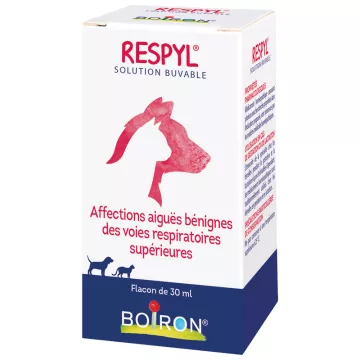
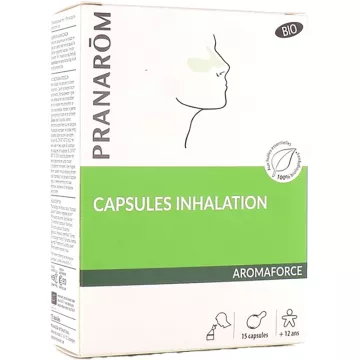
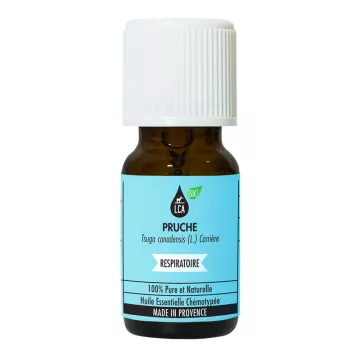
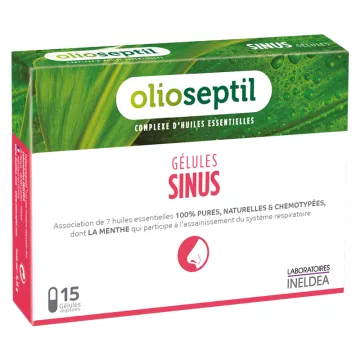
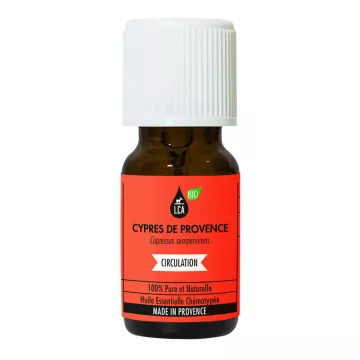
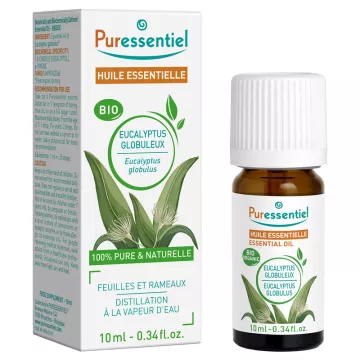
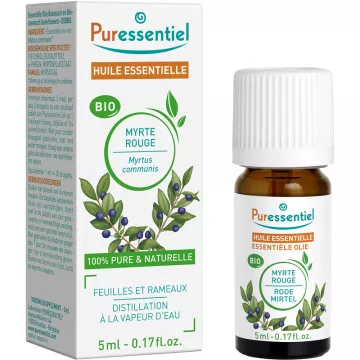
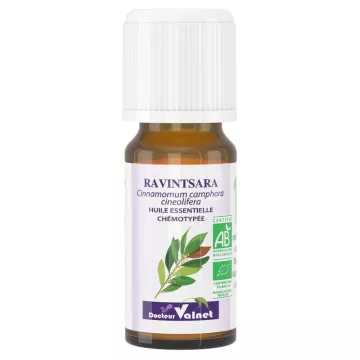
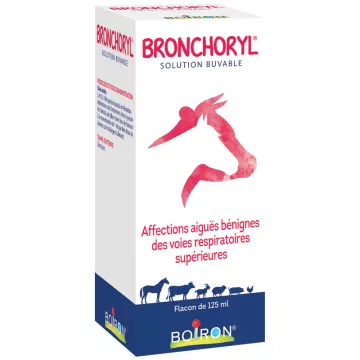
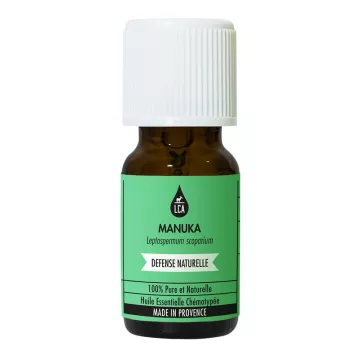
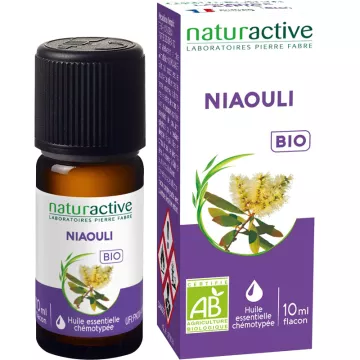
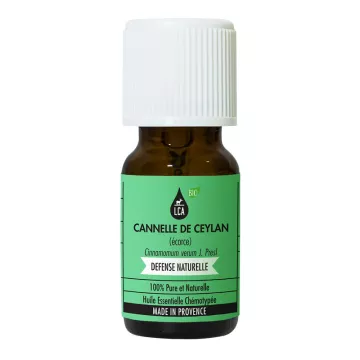
Treatment depends on the cause of the infection: viral infections are managed symptomatically (rest, hydration, pain relievers if needed), while confirmed bacterial infections require antibiotics prescribed by a doctor—never self-medicate. Several natural remedies can help you feel more comfortable during the viral phase:
A medical consultation is recommended in cases of breathing difficulties, persistent high fever, or lack of improvement after several days—the elderly, young children, and people with chronic illnesses should seek medical advice at the first signs of illness, as the risk of complications is higher in these populations.