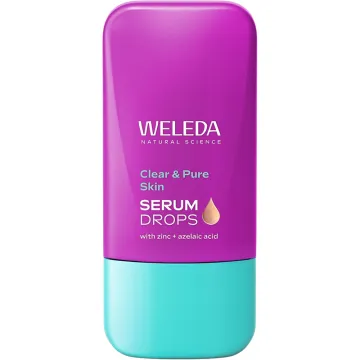
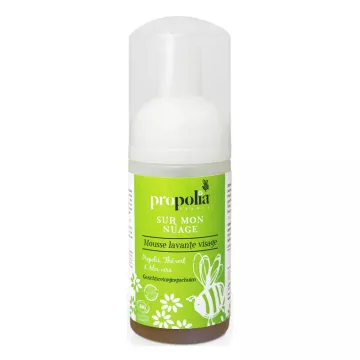
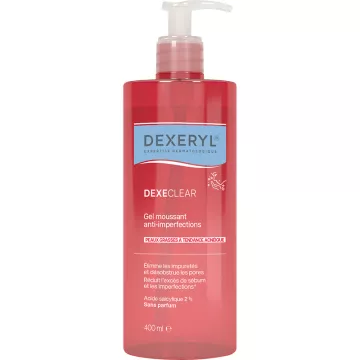
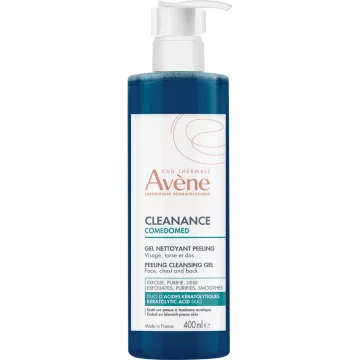
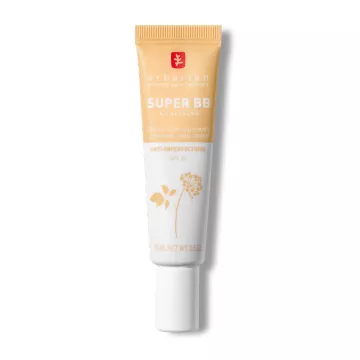
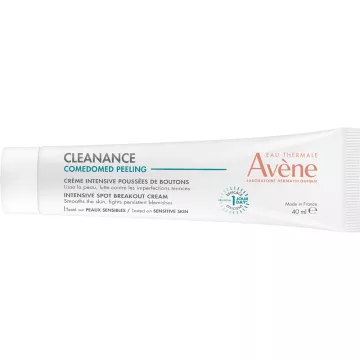
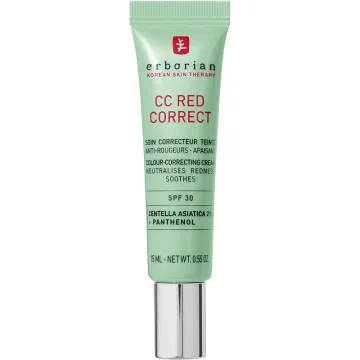
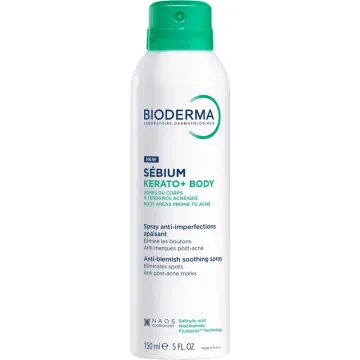
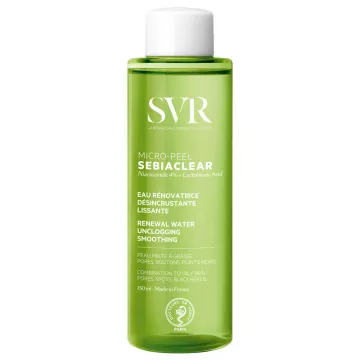
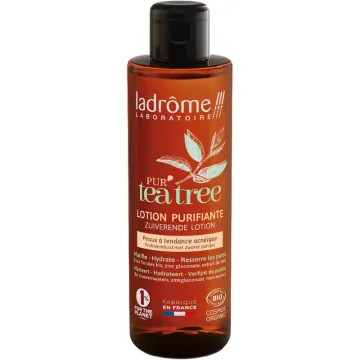
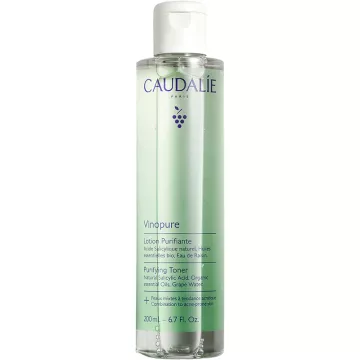
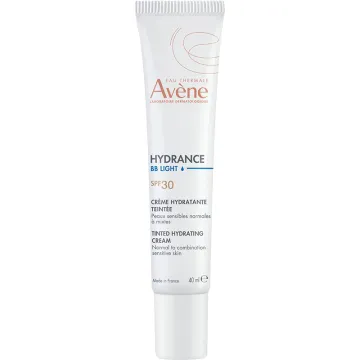
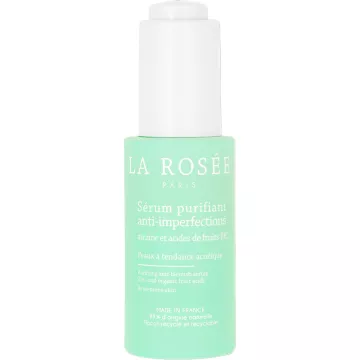
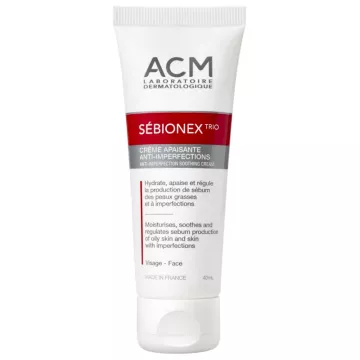
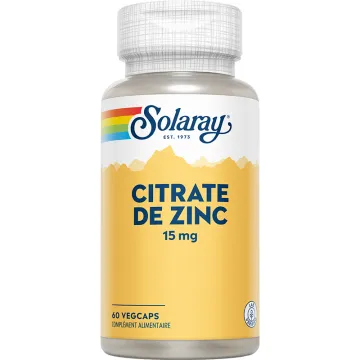
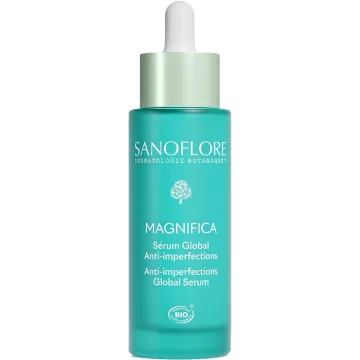
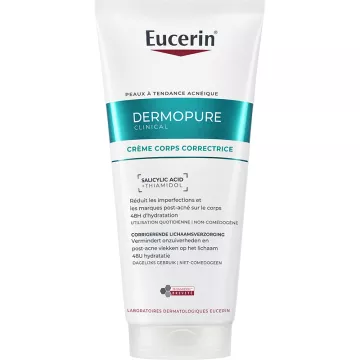
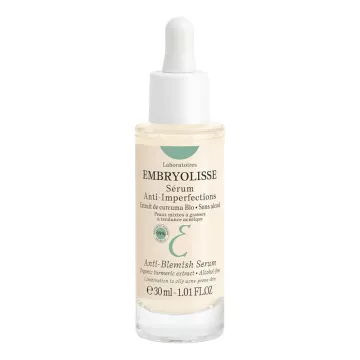
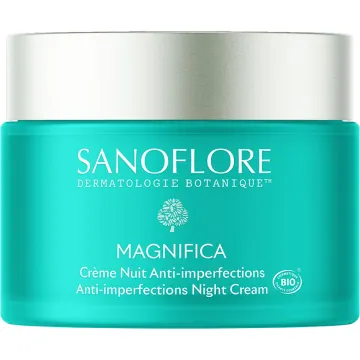
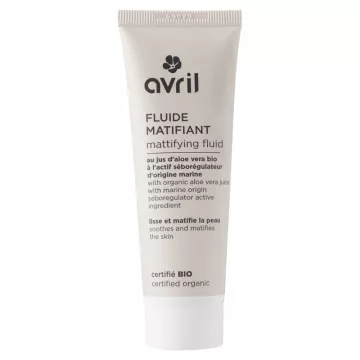
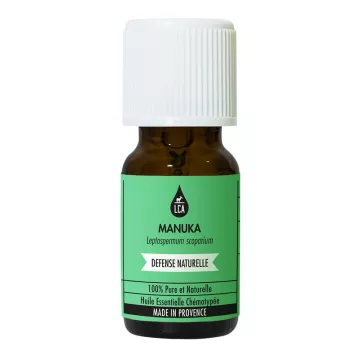
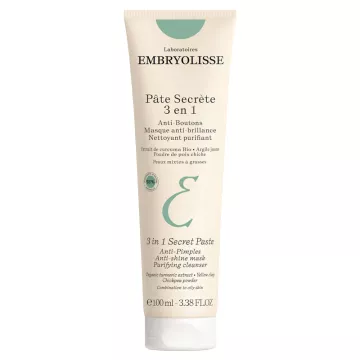
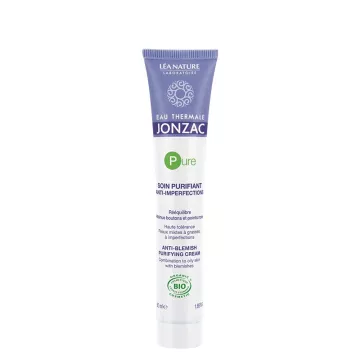
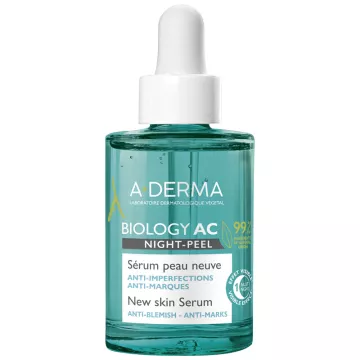
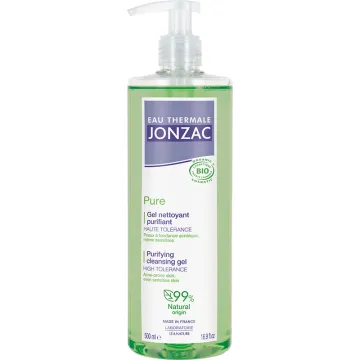
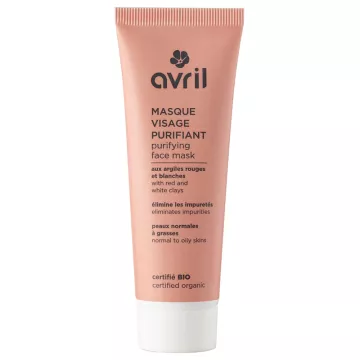
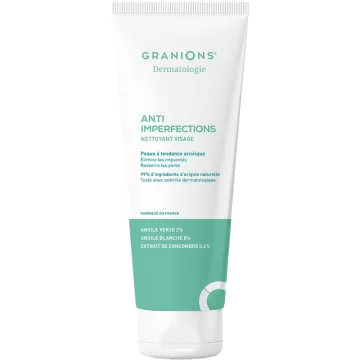
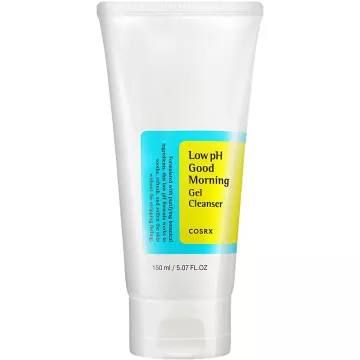
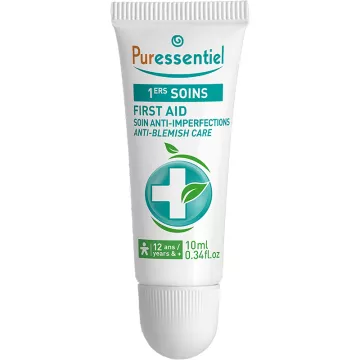
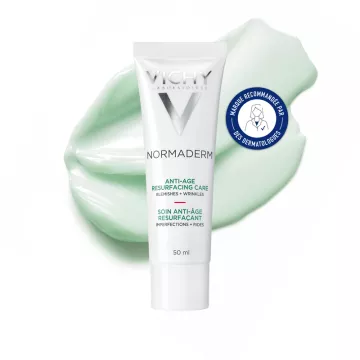
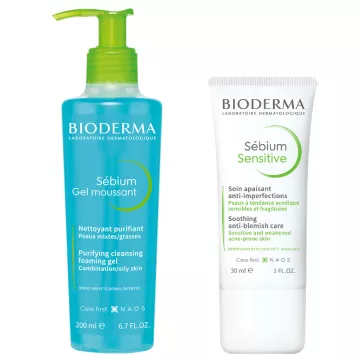
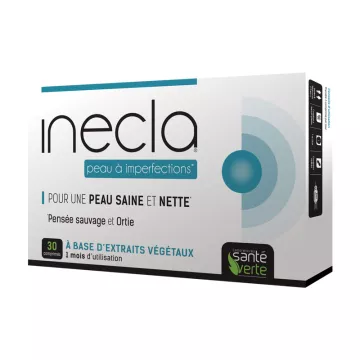
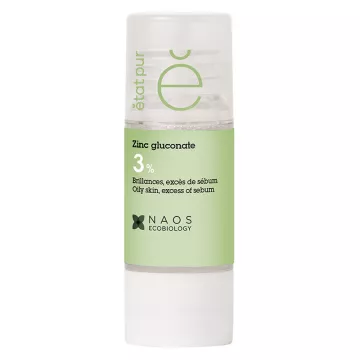
Welcome to this guide on anti-blemish skincare. Clear skin contributes to daily comfort and self-esteem: that is the goal of this category of cosmetic products, which are designed for skin with occasional or persistent blemishes (pimples, blackheads, microcysts, post-inflammatory marks). Anti-blemish products are not a substitute for medical treatment in cases of moderate to severe acne; they are best used as part of a consistent skincare routine tailored to your skin type and individual tolerance.
What is an anti-blemish treatment?
An anti-blemish treatment is a cosmetic product formulated to reduce the appearance of skin imperfections (pimples, blackheads, localized shine, post-inflammatory marks) and improve the appearance of acne-prone skin. It typically combines gentle keratolytic, sebum-regulating, and soothing active ingredients to purify the skin, unclog pores, and reduce redness. For established acne, these products complement—rather than replace—medical treatment.
How do anti-blemish treatments work?
The most common cosmetic active ingredients target several mechanisms:
- Salicylic acid (BHA): a lipophilic keratolytic that can penetrate clogged pores to unclog them. Cosmetic concentration limited to a maximum of 2% according to Regulation (EC) No. 1223/2009. Photosensitizer: sun protection is essential.
- Niacinamide (vitamin B3): regulates sebum, reduces redness, and supports the skin barrier.
- Topicalzinc: has a sebum-regulating and soothing effect.
- Hyaluronic acid: hydration without an occlusive effect.
- Glycolic acid (AHA) at a low cosmetic concentration: gentle chemical exfoliation; must be used in conjunction with strict sun protection, as AHA is photosensitizing.
- Clay, charcoal: absorbent effect when used as an occasional mask.
These products take effect within a few weeks with regular use, as part of a comprehensive skincare routine.
Why choose an anti-blemish treatment?
Incorporating an anti-blemish treatment into your routine can help:
- Limit the formation of new comedones (blackheads, microcysts).
- Visibly reduce redness and superficial post-inflammatory marks.
- Improve the texture and radiance of your complexion.
- Protect the skin barrier from external aggressors (by complementing your routine with appropriate moisturization).
The goal is to achieve balance: these products do not eliminate active acne, but they can reduce the frequency and severity of breakouts for many people.
How can you incorporate these products into your routine?
A simple, step-by-step routine yields better results than piling on products:
- Gently cleanse morning and night with a syndet or a gel with a pH close to 5.5.
- Targeted treatment: Apply the anti-blemish treatment to the affected areas, starting with one application in the evening, then morning and evening depending on tolerance.
- Non-comedogenicmoisturizer in gel or lightweight fluid form.
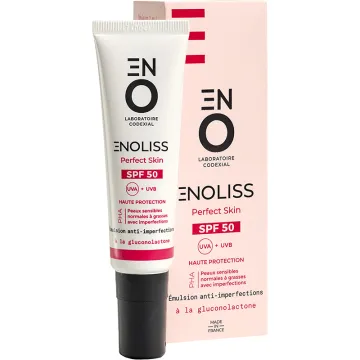
- SPF 30 to 50sun protection in the morning (non-comedogenic fluid texture), essential when using exfoliating acids and retinoids.
- Always remove makeup in the evening if you’ve worn makeup or water-resistant SPF.
Avoid sudden changes to your routine: introduce one new product at a time and monitor your skin’s tolerance for 2 to 3 weeks.
Which ingredients should you look for in a blemish-fighting skincare product?
Well-tolerated and well-researched active ingredients:
- Salicylic acid at 0.5% to 2% maximum (cosmetic grade): the gold standard BHA keratolytic.
- Niacinamide 2–10%: sebum-regulating, soothing.
- Zinc PCA or zinc gluconate: topical sebum-regulating agent.
- Hyaluronic acid: hydration without weighing the skin down.
- Cosmetic glycolic acid: gentle exfoliant (photosensitizing—SPF is essential).
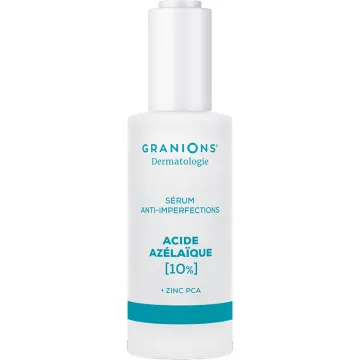
- Azelaic acid: antibacterial, anti-inflammatory (up to 10% in cosmetics; higher concentrations available by prescription).
- Sulfur or resorcinol in targeted formulations: traditional keratolytics, used as a supplement.
- Topical probiotics, prebiotics: benefits still under study, well tolerated.
Avoid routines that combine several strong active ingredients at the same time (retinoids + acids + benzoyl peroxide), as these can compromise the skin barrier.
When can results be expected?
The time it takes to see improvement varies depending on the individual:
- First signs appear after 3 to 4 weeks of regular use (sebum regulation, reduction in redness).
- A more noticeable reduction in blemishes after 8 to 12 weeks.
- Post-inflammatory marks: it often takes several months for them to fade.
Consistency is more important than intensity: a well-tolerated active ingredient used daily is more effective than a strong regimen interrupted by flare-ups of irritation. If you see no progress after 2 to 3 months of treatment, consult a dermatologist to adjust your strategy.
Can these products be used on sensitive skin?
Yes, but with a few precautions for sensitive skin:
- Opt for formulas with low concentrations of active ingredients and no denatured alcohol.
- Niacinamide, hyaluronic acid, and low-dose azelaic acid: generally well-tolerated.
- Salicylic and glycolic acids: start by using them 2 to 3 times a week in the evening, then adjust as needed.
- Test any new product on the inner elbow 24 to 48 hours before regular use on the face.
- Maintain a hydrated skin barrier (ceramides, panthenol B5, allantoin) at the same time.
- Discontinue use if persistent redness, a burning sensation, or significant flaking occurs, and consult a professional if symptoms do not improve.
What are the benefits of anti-blemish skincare?
Over the long term, a well-managed routine offers several benefits:
- Reduction of visible blemishes.
- Improved sebum regulation (excess sebum controlled).
- A more even complexion.
- Smoother skin texture.
- Less noticeable superficial marks after several weeks.
- Preservation of the skin barrier (with associated hydration).
These benefits are cosmetic in nature. Inflammatory or cystic acne, or acne with psychological impact, requires a medical or dermatological consultation.
Are these products suitable for all skin types?
Anti-blemish products are available in several adaptable formats:
- Oily, acne-prone skin: gel, serum, and fluid textures; gentle foaming cleansers.
- Combination skin: targeted treatment for the T-zone; richer moisturization for the cheeks. See also the routine tailored for combination skin.
- Dry, acne-prone skin: formulas combining active ingredients and hydration (niacinamide + hyaluronic acid + ceramides).
- Sensitive skin: low concentrations, denatured alcohol-free, fragrance-free.
- Mature skin: Consider combinations with anti-aging active ingredients (cosmetic retinol, peptides), while avoiding layering too many products.
A dermatologist’s advice can help you choose the most suitable routine if you’re unsure or have a specific medical history (eczema, rosacea, seborrheic dermatitis).
What precautions should be taken with an anti-blemish treatment?
A few standard precautions apply:
- Test on the inner elbow 24 to 48 hours before first use on the face.
- Follow the usage frequency indicated on the packaging: do not use multiple strong active ingredients at the same time.
- Always use sunscreen when using photosensitizing active ingredients (salicylic acid, AHAs, retinol).
- Adjustments during pregnancy andbreastfeeding: Avoid cosmetic retinol and retinoid derivatives, as well as high-concentration salicylic acid; opt for niacinamide, azelaic acid, and hyaluronic acid under medical supervision. Oral medical retinoids (isotretinoin) are **strictly contraindicated during pregnancy** (teratogenic).
- Thoroughly remove makeup at the end of the day.
- Discontinue use and consult a healthcare professional if a reaction occurs (persistent redness, burning, swelling, widespread itching). In case of a severe reaction suggestive of angioedema: call 15 or 112.
- Store products under the specified conditions and observe the PAO (use-by date after opening).
What is the difference between anti-blemish and anti-acne skincare?
The two terms cover similar but distinct concepts:
- Anti-blemish treatment: classified as a **cosmetic**, aims to improve appearance (occasional blemishes, blackheads, shine), without any therapeutic claims.
- “Anti-acne”: In practice, this term often refers to topical medications (benzoyl peroxide, topical retinoids, topical antibiotics) or medical device supplements. Medications have a regulatory status, a marketing authorization, a package insert, and sometimes require a prescription. Cosmetics are governed by Regulation (EC) No. 1223/2009.
A cosmetic product can complement a medication but should never replace it in cases of moderate to severe active acne. This distinction is important for both expectations and safety.
Can these products be combined with other skin treatments?
Yes, several combinations are possible, following a few guidelines:
- Combine non-comedogenic moisturizers with anti-blemish treatments: essential for preserving the skin barrier.
- Compatibility with an anti-aging serum (peptides, stabilized vitamin C) depending on tolerance.
- If undergoing medical treatment (topical retinoids, benzoyl peroxide, oral cyclines), inform your dermatologist or pharmacist of all cosmetics you are using to avoid irritating overlaps.
- Space out acids and retinoids (for example: salicylic acid in the morning, retinoid at night, with moisturizer in between).
- Avoid layering multiple potent active ingredients (AHA + BHA + retinoid + benzoyl peroxide) at the same time.
- Adapt your routine to each season: a more emollient routine in winter, a lighter one in summer, and sun protection year-round.
For more complex skin types, a dermatologist’s advice remains the best guide for building an effective routine that is well-tolerated over the long term.