What is hives?
Hives is a common skin condition characterized by the sudden appearance of raised, red or pink patches (edematous papules) with distinct borders that itch intensely. These lesions, called urticarial papules, are characterized by their fleeting nature: each typically lasts less than 24 hours and disappears without a trace, only to reappear elsewhere. The mechanism involves the release of histamine and other mediators by mast cells in the skin, which causes vasodilation and localized superficial edema. Hives affect about one in five people at least once in their lifetime. The main distinction is between acute hives (<6 semaines) et urticaire chronique (>6 weeks).
What causes hives?
There are many causes, and it is not always possible to identify them:
- Allergies: medications (antibiotics, NSAIDs, codeine, iodinated contrast agents), foods (peanuts, tree nuts, milk, eggs, shellfish, fish, sesame, soy, wheat), hymenoptera venom, latex.
- Infections: viral (particularly in children: nasopharyngitis, hepatitis, mononucleosis), bacterial, parasitic.
- Physical stimuli: cold (cold urticaria), heat, pressure, contact with water, friction (dermographism), sun exposure.
- Physical exertion and increased body temperature (cholinergic urticaria).
- Food pseudoallergies: foods high in histamine or histamine-releasing foods (strawberries, tomatoes, chocolate, aged cheeses, deli meats, alcohol, certain additives).
- Autoimmune diseases: Hashimoto’s thyroiditis, lupus, vasculitis—in certain cases of chronic hives.
- Physical or emotionalstress as a triggering or aggravating factor.
- Idiopathic: In a significant proportion of chronic urticaria cases, no specific cause is identified despite diagnostic testing (spontaneous chronic urticaria).
How can you recognize the symptoms of hives?
The symptoms are fairly characteristic:
- Raised red or pink patches (papules) with well-defined edges, sometimes merging together.
- Intenseitching, often worse in the evening or at night.
- Transient nature: each lesion lasts from a few minutes to a few hours (<24 hours), migrating across the body.
- No scaling, no scarring.
- May be associated with angioedema: deeper swelling affecting the eyelids, lips, tongue, genitals, or even the pharynx or larynx—which can impair breathing.
Quincke’s angioedema affecting the face, tongue, or throat, or accompanied by difficulty breathing, dizziness, or vomiting, is a **life-threatening emergency**: call **15 or 112** immediately.
What are the treatments for hives?
Treatment relies primarily on antihistamines, according to European (EAACI/GA²LEN/EDF/WAO) and French guidelines:
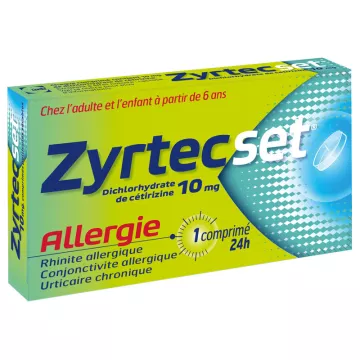
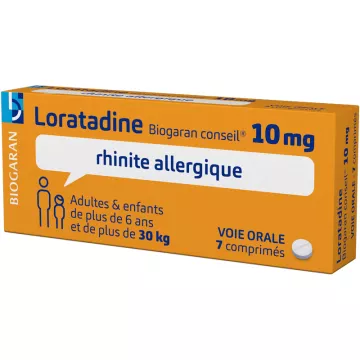
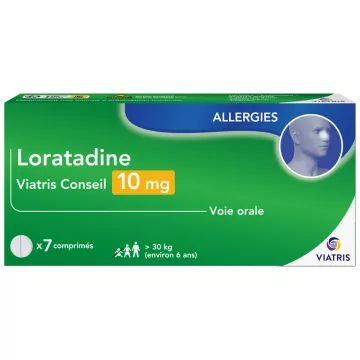
- Second-generation H1 antihistamines as first-line treatment: cetirizine, loratadine, desloratadine, fexofenadine, bilastine, levocetirizine. Well tolerated, with minimal sedative effects; taken daily for the duration of the flare-up and for at least 2 to 4 weeks if there is no recurrence.
- Quadruple the dose of a second-generation H1 antihistamine for chronic urticaria uncontrolled by the standard dose, by prescription only (validated international recommendation; off-label in some countries but recognized as the standard of care).
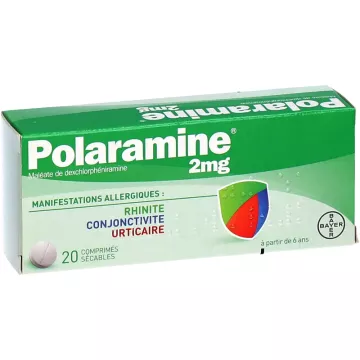
- First-generation antihistamines (particularly hydroxyzine): useful on an as-needed basis in the evening for their sedative effect (to alleviate sleep disturbances), with precautions regarding driving and drug interactions.
- Omalizumab (anti-IgE antibody), available by specialist prescription for chronic spontaneous urticaria uncontrolled by antihistamines (initially under temporary use authorization [ATU] and later granted marketing authorization [AMM] in France for this indication).
- Systemic corticosteroids: reserve treatment, by prescription, in short courses (<5 to 7 days) for severe or refractory flare-ups. **No long-term maintenance therapy** (rebound and adverse effects).
- Cyclosporine, other immunomodulators: severe, refractory chronic urticaria, in a specialized setting.
- Adrenaline auto-injector (pen): to be kept readily available for individuals at known risk of anaphylaxis, by prescription, after training in its use.
Avoiding identified triggers (medications, foods, physical stimuli) remains an essential part of management.
What natural remedies can relieve hives?
Several approaches can complement treatment without replacing it:
- Cool compresses on itchy areas (vasoconstrictive and local anesthetic effect).
- A warm colloidal oatmeal bath for 10 to 15 minutes: known to soothe itchy skin.
- Loose-fitting clothing made of natural fibers; keep nails short to minimize damage from scratching.
- Moisturize the skin with a well-tolerated emollient (fragrance-free, denatured alcohol-free).
- Stress management techniques.
Precautions to be aware of: Topically applied chamomile may cause an allergic reaction in people sensitive to the Asteraceae family (which includes daisies, dandelions, and arnica). Peppermint and certain essential oils may cause a burning sensation or skin reactions on sensitive skin. Test any new product on the inner elbow 24 to 48 hours before regular use.
Is hives a chronic condition?
The distinction between acute and chronic forms is based on duration:
- Acute hives: duration <6 weeks. Cause is often identifiable (medication, viral infection, food). Resolves quickly, usually within a few days to a few weeks.
- Chronic hives: duration >6 weeks, sometimes lasting several months or years. Cause often unidentifiable despite diagnostic testing (spontaneous chronic hives). Progresses in flare-ups, often significantly impacting quality of life.
Chronic urticaria warrants structured dermatological or allergological management, including initial laboratory testing: complete blood count (CBC), C-reactive protein (CRP), thyroid-stimulating hormone (TSH) (with potential testing for antithyroid antibodies), to be supplemented based on clinical hypotheses.
What foods should be avoided in cases of hives?
Empirical food elimination is not recommended. The approach is diagnostic:
- In cases of acute hives with suspected foodallergy (particularly in children or when symptoms occur immediately after a meal): allergy testing (skin tests, specific IgE levels).
- Most common food allergens: peanuts, tree nuts, cow’s milk, eggs, shellfish and fish, sesame, soy, wheat.
- Histamine-releasing foods (may trigger flare-ups without a true allergy): strawberries, tomatoes, chocolate, hard cheeses, deli meats, alcohol, wine, and certain food additives.
- Avoid prolonged, unjustified food elimination, particularly in children: risk of nutritional deficiencies.
Keeping a food diary during flare-ups can help identify significant associations.
Can hives be serious?
Most cases of hives are mild, but certain forms can become serious:
- Quincke’s angioedema: deep swelling of the face, tongue, and larynx—risk of upper airway obstruction. **Life-threatening emergency**.
- Anaphylaxis: a generalized allergic reaction involving hives, angioedema, breathing difficulties (bronchospasm), low blood pressure, dizziness, and digestive problems. **Life-threatening emergency**.
- In cases of a known high-risk allergy, it is essential to carry an epinephrine auto-injector, along with an allergy card.
Any respiratory symptoms (shortness of breath, wheezing, hoarseness, sensation of tightness in the throat), any feeling of discomfort, or any rapid-onset swelling of the face or tongue warrants an immediate call to **15 or 112**. Do not wait for symptoms to worsen.
Is hives contagious?
No,hives are not contagious. They are not transmitted by contact or through the air. It is a reaction of the affected person’s skin, not an infection that can spread. This clarification is helpful in reassuring those around the person and reducing the stigma sometimes associated with the condition.
How can you prevent hives flare-ups?
Several measures can help reduce recurrences:
- Avoid identified triggers (triggering medications, allergenic foods, known physical stimuli).
- Limit foods that release histamines during periods of vulnerability.
- Manage stress and ensure adequate sleep.
- Adapt clothing and the environment to accommodate physical urticaria (cold, heat, pressure).
- Use sun protection if you have solar urticaria.
- If you have a history of anaphylaxis, keep an epinephrine auto-injector and an emergency kit on hand.
- Inform your doctor and pharmacist of any history of drug-induced hives to avoid further exposure.
How can you identify the triggers of your hives?
Identification involves a structured approach:
- Keep a detailed diary of flare-ups: date, time, duration, location, food consumed in the preceding hours, medications taken, context (physical exertion, cold, heat, water, stress), and usual treatments.
- Take photos of the lesions at the time of the flare-up for documentation.
- Consult a physician or allergist: detailed medical history, physical examination, sometimes skin tests, specific IgE levels, and provocation tests for physical urticaria.
- Appropriate laboratory workup for chronic urticaria (complete blood count, CRP, TSH, anti-TPO antibodies, depending on clinical findings).
In a significant proportion of chronic urticaria cases, no specific trigger is identified despite a comprehensive workup—this does not call into question the reality of the condition or its management.
What are the different types of urticaria?
Several clinical forms coexist:
- Acute urticaria: <6 weeks, often allergic or post-infectious.
- Chronic spontaneous urticaria: >6 weeks, with no identifiable trigger.
- Inducible (physical) urticaria:
- Dermographism: linear papules following friction.
- Cold urticaria: exposure to cold, contact with a cold object, bathing.
- Heat urticaria, delayed pressure urticaria.
- Cholinergic urticaria: exertion, body heat, emotion (small, very itchy papules).
- Solar urticaria.
- Aquagenic urticaria (rare).
- Contact urticaria.
- Urticarial vasculitis: a specific form in which lesions persist for more than 24 hours, are sometimes painful, and leave residual marks. A specialized evaluation is required.
- Angioedema: deep swelling, sometimes without associated hives. Hereditary forms (C1 inhibitor deficiency) must be recognized, as treatment differs.
Can hives affect other parts of the body?
Yes, in addition to skin lesions,hives may be accompanied by angioedema affecting:
- The eyelids, lips, and tongue.
- The genitals and extremities (hands, feet).
- The pharynx and larynx (risk of airway obstruction—**life-threatening emergency**).
- More rarely, gastrointestinal symptoms (abdominal pain, vomiting) or joint pain.
If the condition spreads to the ENT area or affects overall health (malaise, difficulty breathing), call **15 or 112** immediately.
What are the risk factors for hives?
Several factors increase the risk:
- Personal history ofatopy (asthma, allergic rhinitis, atopic dermatitis).
- Family history of hives or allergies.
- Associated autoimmune diseases (particularly thyroid disorders).
- Medication use (antibiotics, NSAIDs, opioids, ACE inhibitors for angioedema).
- Chronic stress, difficult life events.
- Frequent viral infections (post-viral urticaria, more common in children).
- Certain occupations involving specific exposures (latex among healthcare workers, food allergens in the kitchen).
Can hives be treated at home?
Mild, localized flare-ups can be managed with:
- An over-the-counter second-generation H1 antihistamine (cetirizine, loratadine, fexofenadine)—always follow the dosage instructions and read the package insert.
- Cool compresses, loose-fitting clothing, and staying hydrated.
- Identifying and avoiding possible triggers.
A medical consultation is still essential:
- In case of angioedema, difficulty breathing, dizziness, vomiting, or trouble swallowing → **call 15 or 112 immediately**.
- If the flare-up lasts more than 48 hours or recurs.
- If over-the-counter antihistamines are not effective.
- If hives last longer than 6 weeks (chronic hives) — comprehensive evaluation.
- In pregnant women (treatment adjustments).
- In children, especially infants.
- If there is a significant impact on sleep or daily life.