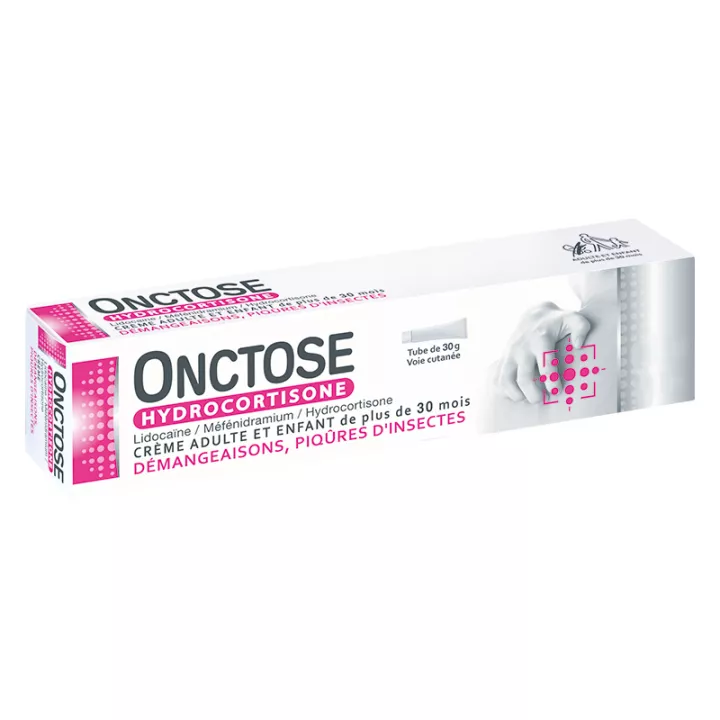
Onctose Hydrocortisone Cream, 30 g Tube
Over-the-counter medication

Onctose Hydrocortisone Cream, 30 g Tube

used for :

Onctose Hydrocortisone is a soothing cream containing a mild corticosteroid, ideal for treating itching, insect bites, and localized redness. Effective and fast-acting, it soothes and protects sensitive skin at the first signs of inflammation.


€7.86 EXCL. VAT €8.65 INCL. VAT
In stock Shipped within 24h Secure payment
Reference : 3400934457548
You must be logged in to add this product to a list. Customer login
See delivery conditions

Our doctors of pharmacy advise you

Cortisédermyl 0.5% Anti-Itch Cream 15 g Cortisédermyl 0.5% Anti-Itch Cream 15 g
€4.99
Add to cart
Shipped within 24h
Cortapaisyl Hydrocortisone 0.5% Cream 15 g Cortapaisyl Hydrocortisone 0.5% Cream 15 g
€4.90
Add to cart
Shipped within 24h
Le Comptoir Aroma Organic Lavender Essential Oil 10ml Le Comptoir Aroma Organic Lavender Essential Oil 10ml
€6.99
Shipped within 24h

What is Onctose Hydrocortisone Cream used for?

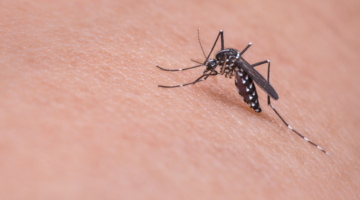
As soon as an insect bite appears—whether it itches, stings, or feels hot— you want one thing: to relieve the discomfort as quickly as possible. That’s exactly where Onctose Hydrocortisone Cream comes in—a powerful and soothing topical treatment that combines a mild corticosteroid with anesthetic agents. In just a few minutes, it reduces inflammation, soothesitching, and minimizes allergic skin reactions. Convenient and easy to apply, this tube is a must-have for sensitive skin in the summer… but not just then.

This topical treatment is primarily used to quickly relieve skin irritations, whether from insect bites, localized redness, or small allergic bumps. Thanks to a combination of several active ingredients, it works by both alleviating the burning sensation and locally desensitizing the treated area. Applying a cortisone-based cream can be beneficial for alleviating eczema symptoms; in fact,you can find more information about cortisone creams for eczema relief, such as Bepanthensensicalm, on our partner site.

One of the main ingredients,hydrocortisone acetate, is a low-potency corticosteroid. Unlike stronger treatments, it is gentle enough for occasional, effective usewithout irritating the skin. It soothes inflammatory reactions without causing the dreaded side effects associated with stronger corticosteroids. Onctose Hydrocortisone therefore checks all the boxes for a well-tolerated topical anti-inflammatory.

Alongside it, lidocaine hydrochloride plays the role of a local anesthetic superhero. It numbs the nerve endings responsible for unpleasant sensations, providing an almost immediate cooling and soothing effect. It helps curb the irresistible urge to scratch, thereby preventing lesions from worsening.

To further enhance the treatment’s effectiveness, mefenidramine acts as a topical antihistamine. The result: redness, swelling, and itching are quickly brought under control, even in cases of an allergic reaction. This combination makes the product particularly suitable for atopic, allergic, or highly reactive skin.

Finally, its light and pleasant cream texture is a real plus: it absorbs quickly, isn’t sticky, and leaves the skin soft and protected. Onctose Hydrocortisone quickly becomes second nature—a simple, reassuring step as soon as the first signs of itching appear.

This small tube, therefore, offers everything you’d expect from a topical treatment for insect bites:fast relief, proven effectiveness, good tolerability, and easy application. It deserves a prominent spot in your medicine cabinet or vacation bag. For even greater comfort in the event of an allergic reaction, you cancombine this treatment with an oral antihistamine such asa 10 mg cetirizine tablet.

How to Use This Allergy Treatment?

Directions for Use

Apply a thin layer of the cream topically to the affected area 2 to 3 times a day. It is important to wash your hands thoroughly before and after each application. This product is for topical use only and should not be applied to large areas or to broken, weeping, or infected skin.

Share your feedback on the usage instructions and dosage of Onctose Hydrocortisone with our partner, Verified Reviews, after your purchase.

Precautions

Before using this product, it is essential to ensure that you are not allergic to local anesthetics, hydrocortisone, or antihistamines. It is not recommended to apply the cream to infected skin (acne, herpes, impetigo, fungal infections, etc.), open wounds, or mucous membranes. In children, use on the face should

be limited due to the risk of contact with the eyes. Occlusive dressings should also be avoided. Ifsymptoms persist for more than 3 days, medical advice is essential. Note: This product contains propylene glycol, which may cause irritation.

What are the ingredients in this cream?

Ingredients

Hydrocortisone Acetate, Lidocaine Hydrochloride, Mefenidramium Methylsulfate, Nonionic Emulsifiable Wax with Ketomacrogol 1000, Diethylene Glycol Stearate, Propylene Glycol, Purified Water

Packaging

This medication comes in the form of a topical cream in a 30-gram tube, which is easy to carry and store. Ideal for first aid while traveling or at home, available online at the best price.

Expert Advice and Reviews


Hydrocortisone cream should be applied only to the affected areas and used for a limited time. Specialists recommend applying a thin layer only to inflamed areas, once or twice a day, for a limited period to prevent skin thinning. This type of mild corticosteroid quickly soothes itching, redness, and inflammatory flare-ups, particularly in cases of eczema or allergic reactions. It’s important to moisturize the skin at the same time to strengthen the skin barrier. If there is no improvement, if the lesions worsen, or if the product is being used on a child, medical advice is essential to ensure the treatment is safe.

Pharmacovigilance Report an adverse drug reaction(s)

Download PDF leaflet

NOTICE

ANSM - Last updated: 02/06/2014

Name of the medicinal product

ONCTOSE HYDROCORTISONE, cream

framed

Read this leaflet carefully before you start using this medicine. It contains important information for your treatment.

If you have any further questions, ask your doctor or pharmacist.

· Keep this leaflet, you may need to read it again.

· If you need more information and advice, ask your pharmacist.

· If symptoms worsen or persist, consult a physician.

· If you notice any side effects not listed in this leaflet, or if you experience any of the effects listed as serious, please tell your doctor or pharmacist.

Review summary

In this notice :

1. What is ONCTOSE HYDROCORTISONE, cream and in what cases is it used?

2. What should be known before using ONCTOSE HYDROCORTISONE, cream ?

3. How to use ONCTOSE HYDROCORTISONE, cream?

4. What are the possible side effects?

5. How to keep ONCTOSE HYDROCORTISONE, cream?

6. Additional information.

1. WHAT ONCTOSE HYDROCORTISONE, cream AND IN WHAT CASES IS IT USED?

Pharmacotherapeutic group

CORTICOID OF LOW / ANESTHESIC ACTIVITY FOR TOPICAL USE

(D: Dermatology).

Therapeutic indications

This medication is recommended in case of itching, especially following insect bites.

2. BEFORE YOU USE ONCTOSE HYDROCORTISONE, cream?

List of information needed before taking the medication

Not applicable.

Cons-indications

Do not use ONCTOSE HYDROCORTISONE, cream in the following cases:

· Allergy (hypersensitivity) to local anesthetics, antihistamines or hydrocortisone,

· Wounds, a weeping or ulcerated lesion,

· Acne,

· rosacea,

· Infected skin, whether the origin is bacterial (eg impetigo ... ..), viral (herpes, shingles, varicella), mycotic (due to microscopic fungi) or parasitic.

Precautions for use; special warnings

Take special care with ONCTOSE HYDROCORTISONE, cream:

This medicine contains propylene glycol and may cause skin irritation.

Itching is only a symptom that can have multiple causes requiring the advice of your doctor especially if persistence or aggravation of the disorders.

Do not apply on a large area, under occlusive dressing, to injured skin, in infants or young children, because of the risk of the active substance passing through the blood.

Do not apply to mucous membranes. Avoid application of the product near the eyes.

In children, the application on the face should be limited, accidental contact with the eyes being possible.

If symptoms persist beyond 3 days of treatment, take the advice of your doctor.

Interaction with other medicines

Taking or using other medicines:

Please tell your doctor or pharmacist if you are taking or have recently taken any other medicines, even medicines obtained without a prescription.

Interactions with food and beverages

Not applicable.

Interactions with Herbal Medicines or Alternative Therapies

Not applicable.

Use during pregnancy and lactation

Pregnancy

No teratogenicity studies were performed with local corticosteroids.

Nevertheless, studies of oral corticosteroids did not demonstrate a higher risk of malformations than in the general population.

As a result, this medication can be used during pregnancy if needed.

Ask your doctor or pharmacist for advice before taking any medicine.

feeding

Do not apply on the breasts during breastfeeding, because of the risk of ingestion of the product by the newborn.

Ask your doctor or pharmacist for advice before taking any medicine.

Sport

The attention of athletes is drawn to the fact that this specialty contains an active ingredient which can induce a positive reaction of the tests performed during doping controls.

Effects on ability to drive or use machines

Not applicable.

List of excipients with known effect

Important information about some of the ingredients of ONCTOSE HYDROCORTISONE, cream:

This medicine contains propylene glycol.

3. HOW TO USE ONCTOSE HYDROCORTISONE, cream?

Instructions for proper use

Not applicable.

Dosage, Mode and / or route (s) of administration, Frequency of administration and Duration of treatment

Dosage

1 application 2 to 3 times a day.

Wash hands thoroughly after use.

Administration mode

Dermal.

Duration of treatment

Persistence of symptoms beyond 3 days requires medical advice.

Symptoms and Instructions for Overdose

Not applicable.

Instructions for omission of one or more doses

Not applicable.

Risk of withdrawal syndrome

Not applicable.

4. WHAT ARE POSSIBLE SIDE EFFECTS?

Description of adverse reactions

Like all medicines, ONCTOSE HYDROCORTISONE, cream is likely to have unwanted effects, although not everyone is subject to it:

· Allergy (hypersensitivity) to lidocaine or any of the other ingredients mentioned in "Additional Information";

· Thinning of the skin, dilation of small blood vessels, stretch marks, acne breakouts, redness and irritation around the mouth;

· Delayed wound healing, skin discoloration disorder, secondary infection especially during prolonged treatment, under occlusive dressing or in folds;

· Mydriase when applied near the eyes, especially in children. This accident is spontaneously resolved in less than 24 hours.

Declaration of side effects

If you experience any side effects, talk to your doctor or pharmacist. This also applies to any side effects not mentioned in this leaflet. You can also report adverse reactions directly through the national reporting system : National Agency for the Safety of Medicines and Health Products (Ansm) and network of Regional Centers of Pharmacovigilance. Website: www.ansm.sante.fr . By reporting adverse reactions, you are helping to provide more information about the safety of the drug.

5. HOW TO STORE ONCTOSE HYDROCORTISONE, cream?

Keep this medicine out of the reach and sight of children.

Expiration date

Do not use after the expiry date stated on the outer packaging.

Storage conditions

Store at a temperature not exceeding 25 ° C.

If necessary, warnings against visible signs of deterioration

Medicines should not be disposed of via wastewater or household waste. Ask your pharmacist what to do with unused medications. These measures will help protect the environment.

6. ADDITIONAL INFORMATION

Full list of active substances and excipients

What does ONCTOSE HYDROCORTISONE contain, cream?

The active substance is :

Hydrocortisone acetate .............................................. .................................................. ................. 0.250 g

Lidocaine Hydrochloride ............................................... .................................................. ............... 1,000 g

Mefenidramium methylsulfate ............................................... .................................................. ..... 2,000 g

For 100 g of cream.

The other components are :

Non-ionic emulsifiable wax to cetomacrogol 1000, diethylene glycol stearate, propylene glycol, purified water.

Pharmaceutical form and content

What is ONCTOSE HYDROCORTISONE cream and contents of the pack?

This medication is in the form of a cream in 30 g tube.

Name and address of the marketing authorization holder and the holder of the manufacturing authorization responsible for the release of the lots, if different

Holder

MERCK MEDICATION FAMILIALE SAS

37 RUE SAINT-ROMAIN

69379 LYON CEDEX 08

exploiting

MERCK MEDICATION FAMILIALE

18 C BOULEVARD WINSTON CHURCHILL

21000 DIJON

Maker

FAMAR ORLEANS

5 AVENUE DE CONCYR

45071 ORLEANS CEDEX 2

or

FAMAR LYON

29, AVENUE DU GENERAL DE GAULLE

69230 SAINT-GENIS-LAVAL

Names of the medicinal product in the Member States of the European Economic Area

Not applicable.

Date of approval of the notice

The last date on which this leaflet was approved is {date}.

AMM under exceptional circumstances

Not applicable.

Internet Information

Detailed information on this medicine is available on the Ansm website (France).

Information for health professionals only

Not applicable.

Other

Not applicable.

VIDAL OF THE FAMILY

ONCTOSE HYDROCORTISONE

Antipruritic local

hydrocortisone, mefenidramium, lidocaine

. Presentations . Composition . Indications . Contraindications . Warning . Pregnancy and breastfeeding . Directions for use and dosage . Advice . Undesirable effects . Lexicon

PRESENTATIONS (summary)

ONCTOSE HYDROCORTISONE: cream; 30 g tube.
-

Merck Family Medication Laboratory

COMPOSITION (summary)
p 100 g
Hydrocortisone acetate 0.25 g
Mefenidramium methylsulfate 2 g
Lidocaine hydrochloride 1 g

INDICATIONS (summary)
This cream contains a dermocorticoid , an antihistamine and a local anesthetic .
It is used in the symptomatic treatment of itching due to insect bites and contact with certain plants (nettles ...). It should not be used without medical advice to treat other conditions.
CONTRAINDICATIONS (summary)
This medication should not be used in the following cases:
  • allergy to local anesthetics ,
  • infection and parasitosis of the skin (this drug has no anti-infectious effect),
  • oozing lesion,
  • ulcerated lesion,
  • acne and rosacea .
WARNING (Contents)
Do not use this cream in a child under 3 years of age without medical advice.
Follow your pharmacist's recommendations carefully and do not use this cream prolonged or repeated without the advice of your doctor.
Avoid exposing the treated areas to sunlight or ultraviolet rays: risk of skin reaction.
Sports: This drug contains a substance that may make certain anti-doping tests positive.
PREGNANCY AND BREAST-FEEDING (summary)
This medication may be used during pregnancy. If breast-feeding occurs, avoid application to the nipple.
DIRECTIONS FOR USE AND DOSAGE (summary)
Spread the cream over the lesions and let it penetrate through a light massage.

Usual dosage:

2 or 3 applications per day.
Due to the limited indications of this product, the duration of treatment should not exceed 3 days.
TIPS (summary)
Remember to wash your hands after application.
Cortisone is a safe and effective drug when used wisely. This over-the-counter medication should not be used to treat skin lesions other than those mentioned under INDICATIONS.
POSSIBLE ADVERSE EFFECTS (summary)
Allergy to the skin.
Photosensitization .
In case of prolonged use:
  • atrophy with microhemorrhage of the skin ( purpura ), dilation of small vessels, stretch marks, eruption of pimples;
  • abnormal development of hair, drying, embrittlement and irregular discoloration of the skin;
  • redness around the mouth, appearance of rosacea ;
  • delayed healing.


GLOSSARY (summary)


acne
Skin disorders associated with sebum retention forming comedones (blackheads and microcysts). These are the site of a proliferation of bacteria and turn into pustules.


allergy
Skin reaction (itching, pimples, swelling) or general discomfort occurring after contact with a particular substance, use of a medication, or ingestion of food. The main forms of allergy are eczema, urticaria, asthma, angioedema and allergic shock (anaphylactic shock). Food allergy can also result in digestive disorders.


anesthetic
Medication that results in anesthesia. In addition to the general anesthetics that allow the patients to fall asleep before surgery, there are local anesthetics that can be injected in contact with a nerve to insensitize a region of the body. Local anesthetics are also called contact anesthetics.


antihistamine
Medication that opposes different effects of histamine. Two main types exist: antihistamines type H1 (antiallergic) and antihistamines type H2 (gastric antiulcer). Some antihistamines of type H1 are sedative, others do not alter vigilance.


atrophy
Decreased organ or limb volume due to aging, disease or lack of blood supply.


dermocorticoid
Preparation of corticosteroids for local use, intended to treat certain diseases of the skin.


photosensitivity
Abnormal sensitivity of the skin to light or ultraviolet rays due to a drug or a natural or chemical substance.


purpura
Red or purplish skin patches due to small subcutaneous hemorrhages. Thrombocytopenic purpura is caused by a significant decrease in the number of platelets in the blood.


rosacea
Skin disease causing redness of the face. It is sometimes called acne rosacea, but has nothing to do with acne vulgaris. It prohibits the local use of dermocorticoids.


anti-doping tests
Athletes may be tested for the presence in their urine of doping substances or their derivatives. The International Olympic Committee and the Ministry of Health and Sports maintain a list of substances considered to be doping. These substances are very varied: anabolic hormones that develop muscles, excitants that increase vigilance, beta-blockers that slow down the heart and, for example, allow archery to unclip their arrow between two heartbeats, etc. Some medications such as creams, ear drops, contain substances considered to be doping, but the probability that these substances pass into the blood and are found in the urine is very low. When in doubt, the possibility of a positive reaction is mentioned for each drug when a doping substance is present in its composition. It is up to the athlete to decide with his doctor whether or not to use such a medicine.


symptomatic treatment
Treatment that suppresses or alleviates the symptoms of a disease without addressing its cause.


ultraviolet
Ultraviolet rays are radiation emitted naturally by the sun or artificially by certain lamps. UV A and UVB are distinguishable. Short-wave UV B are stopped in the outermost layers of the skin. They are responsible for burns (sunburn). The UVA, of wider wavelength, penetrate deeply and reach the dermis. They induce pigmentation (tanning). Repeated intense UV exposure causes premature aging of the skin and increases the risk of skin cancer.
Abbreviation: UV.

used for :

Advice from our naturopaths

Wasp stings, self-healing with natural methods Wasp stings, self-healing with natural methods

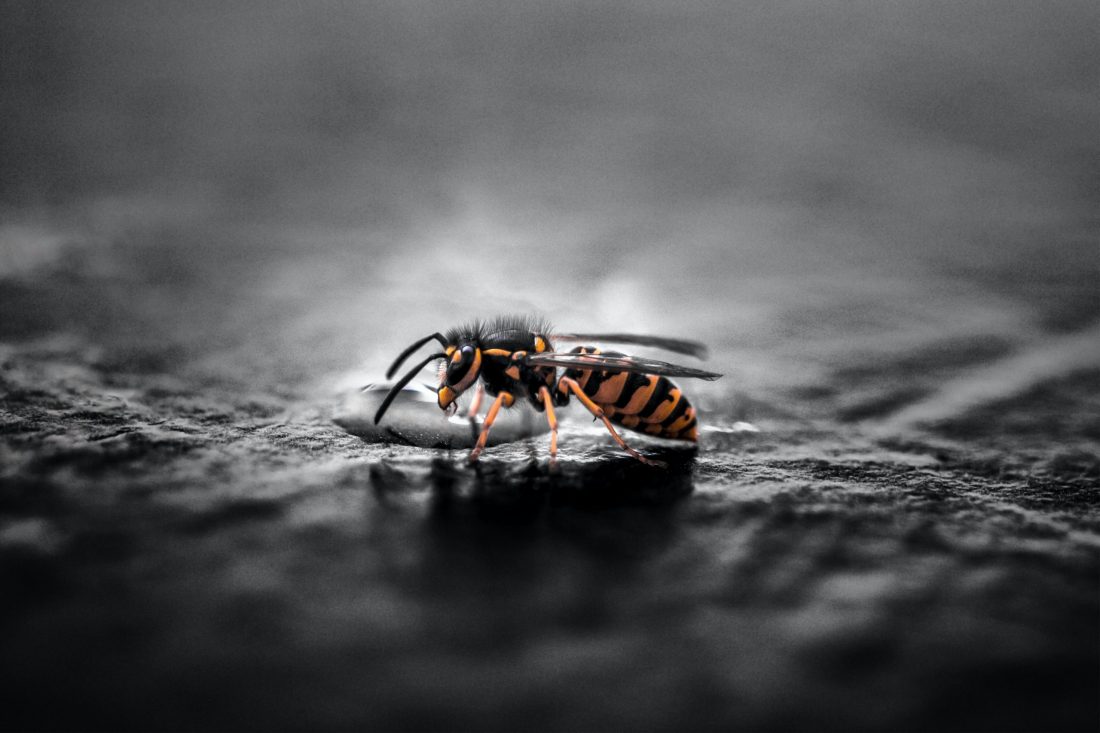
Wasps belong to the order Hymenoptera. Equipped with stings, they also belong to the suborder Apocritus. Among wasps, it is the females that can sting; the workers and queens. Species that compete with humans for food also sometimes sting. In fact, these insects sting mainly to protect themselves from other hymenoptera, such as when they raid their nests or want…

Read the article on the blog
Acute urticaria and homeopathic medicines Acute urticaria and homeopathic medicines

The urticarial rash is characterized by a set of seropapules , red or pink, sometimes discolored in the center, similar to nettle stings. They result, under the influence of an antigen-antibody conflict, from the local release of histamine , which offers papilledema with pruritus and burning sensation.. This eruption, of sudden onset, is fleeting. It usually disappears in a few hours or a few days, without leaving a…

Read the article on the blog
How to relieve a mosquito bite very quickly How to relieve a mosquito bite very quickly

When mosquitoes invade our living spaces, the first concern is usually how to relieve a mosquito bite very quickly. By using heat or cold, it is possible to reduce the discomfort in no time at all. In this article, we explore in detail the different methods of relieving a mosquito bite very quickly. There's nothing more annoying than an itchy…

Read the article on the blog
Natural Health Advice

Order a selection of products frequently purchased by our customers

BiafineAct Burn Emulsion 139.5 g BiafineAct Burn Emulsion 139.5 g
€7.85
Shipped within 24h
Cortisédermyl 0.5% Anti-Itch Cream 15 g Cortisédermyl 0.5% Anti-Itch Cream 15 g
€4.99
Add to cart
Shipped within 24h
Apaisyl Mosquito Repellent Lotion 90 ml Apaisyl Mosquito Repellent Lotion 90 ml
€9.59
Add to cart
Shipped within 24h
Insect Tick-Repellent Protective Spray 100 ml Insect Tick-Repellent Protective Spray 100 ml
€7.96
Shipped within 24h
Apaisyl Insect Bite Relief Gel 30 g Apaisyl Insect Bite Relief Gel 30 g
€6.99
Add to cart
Shipped within 24h
Cortapaisyl Hydrocortisone 0.5% Cream 15 g Cortapaisyl Hydrocortisone 0.5% Cream 15 g
€4.90
Add to cart
Shipped within 24h
Bite Away Two Insect Bite Pen by Arkomedica Bite Away Two Insect Bite Pen by Arkomedica
€27.65
Shipped in 5 to 7 working days