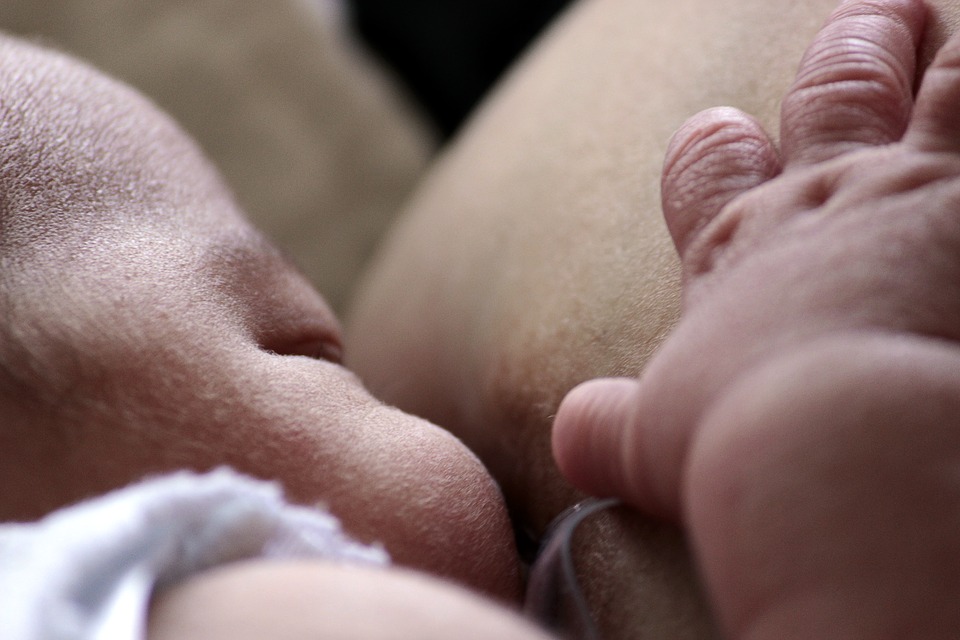
When should you use this nipple care balm?
One Breastfeeding Balm is a balm for the nipple and areola, formulated to support the skin throughout the entirebreastfeeding period. Its simple formula combines an oily calendula macerate, shea butter, and cocoa butter with vegetable oils—sunflower, sweet almond, olive, and argan—supplemented by purslane extract and a lactobacillus ferment, a so-called postbiotic ingredient.
Repeated feedings, friction, and moisture: during breastfeeding, the skin on the nipple is under a lot of strain and can become fragile. This balm soothes and moisturizes the nipple and strengthens the skin barrier in sensitive areas. In a dermatologically controlled test conducted on 21 women, 95% of them found that the product soothed nipples prone to irritation.
Purslane extract and lactobacillus ferment complement the oils and butters to ensure the balm respects the mother’s skin microbiome —that is, the balance of microorganisms that naturally live on the skin’s surface. The formula is designed for both the mother and the baby, who comes into contact with the nipple at every feeding.
It’s ideal during periods of frequent feedings, when the baby feeds more often, or when resuming use of a breast pump—anytime the skin is under increased strain. Odorless and tasteless, it doesn’t bother the baby when latching on.
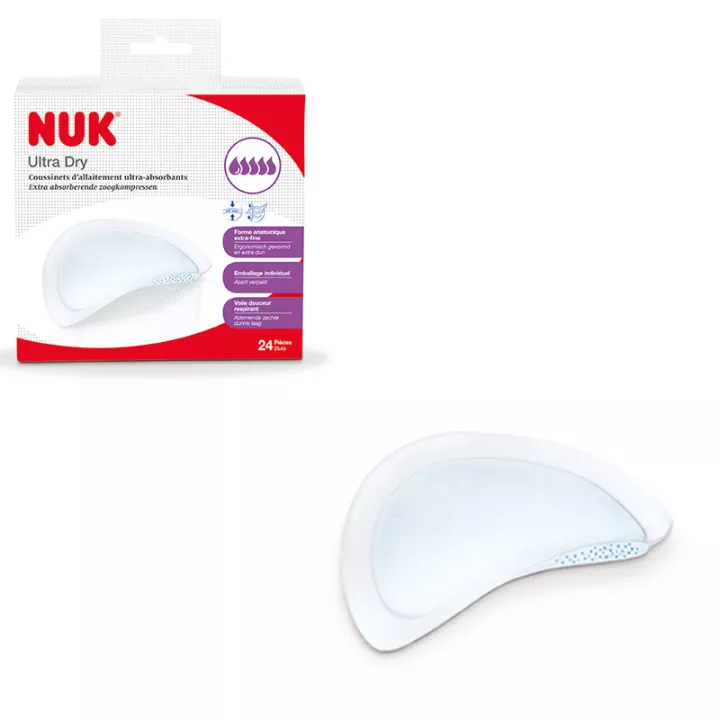
Between feedings, the milk that leaks helps keep the area around the nipple moist. We recommend using the balm in combination with Nuk Ultra Dry nursing pads: placed inside your bra, they absorb these leaks and keep the skin dry, while the balm nourishes the nipple and areola.
How should you apply this balm between feedings?
Directions for Use
Apply a thin layer to the nipple and areola after each feeding or as needed. No need to rinse before the next feeding.
Share your feedback on the usage instructions and dosage for One Breastfeeding Balm 30 ml with our partner Verified Reviews after your purchase.
Precautions
- For external use only. Avoid contact with the eyes.
- Contains sweet almond oil: if you have a known allergy to tree nuts, consult a pharmacist before use.
- Contains calendula, a plant in the Asteraceae family: do not use if you have a known allergy to calendula, arnica, chamomile, or any other plant in this family.
- Discontinue use if redness, itching, or a burning sensation occurs after use, or if redness develops around the baby’s mouth, and consult a pharmacist.
- Do not apply to an open, bleeding, or oozing wound without consulting a midwife or doctor: this cosmetic product does not treat cracked nipples.
- Pain that lasts throughout a feeding or a cracked nipple that does not improve within a few days should be examined by a midwife, doctor, or lactation consultant.
- A red, warm, and painful breast, accompanied by a fever, chills, or body aches, requires prompt medical attention—do not wait longer than 48 hours.
- A sharp burning sensation in the nipple or areola, whether during or between feedings, or a shiny-looking nipple, should also prompt you to seek medical advice.
- Close the tube tightly after use. Store away from heat. Keep out of reach of children.
What are the ingredients in this balm for sensitive nipples?
Ingredients
Caprylic/Capric Triglyceride, Helianthus Annuus (Sunflower) Seed Oil*, Glycerin, Water (Aqua), Oleic/Linoleic/Linolenic Polyglycerides, Prunus Amygdalus Dulcis (Sweet Almond) Oil*, Olea Europaea (Olive) Fruit Oil*, Argania Spinosa Kernel Oil*, Butyrospermum Parkii (Shea) Butter*, Cocos Nucifera Oil*, Propanediol, Quillaja Saponaria Wood Extract, Theobroma Cacao Seed Butter*, Calendula Officinalis Flower Extract*, Saponaria Officinalis Leaf/Root Extract, Lactobacillus Ferment Lysate, Tocopherol, Portulaca Oleracea Extract.
*From organic farming
Packaging
30 ml tube.
Our Expert Advice on One Nursing Balm for the Nipple
People often expect a balm to relieve the pain of breastfeeding. That’s not its purpose: most sore nipples result from an incomplete latch or a position that needs adjusting. The balm supports the skin; it does not address the underlying cause. Your first step should therefore be to have a midwife or lactation consultant observe a feeding session. Among the signs listed above, mastitis is the only one that should not be expected.
In daily life, a few simple steps can help the skin: let the nipple air-dry for a few moments before applying the balm, vary your breastfeeding positions to avoid always putting pressure on the same area, and change your nursing pad as soon as it becomes damp. When using a breast pump, check the size of the breast shield just as you would check the latch: if it’s too small or too large, it will rub against the nipple during each pumping session.
FAQ
Can I use One Breastfeeding Balm right from the first feedings?
Yes. The balm can be used starting from the baby’s birth, when the nipple skin is first exposed to repeated friction.
Does One Breastfeeding Balm contain lanolin?
No. Its formula combines plant-based oils and butters without lanolin, making it a good option for mothers who prefer not to use lanolin-based products or who have sensitivity to lanolin.
Can I apply One Breastfeeding Balm during pregnancy?
The balm is designed for use during breastfeeding, and the instructions recommend applying it after feedings. Before the baby is born, the midwife overseeing your pregnancy is the best person to consult regarding whether nipple care is necessary.
This information is general in nature and is not a substitute for personalized medical advice. If in doubt, consult your pharmacist, midwife, or doctor.