What is a bandage, and what are the different types available?
A bandage is a first-aid medical device used to protect a wound, hold a dressing in place, apply pressure to stop bleeding, or immobilize an injured limb. It should not be confused with a compression bandage (used for venous or sports therapy). Our range of wound care and first aid products offers the right supplies for every situation.
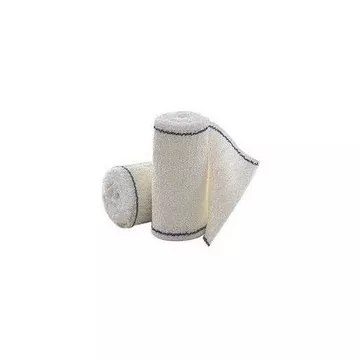
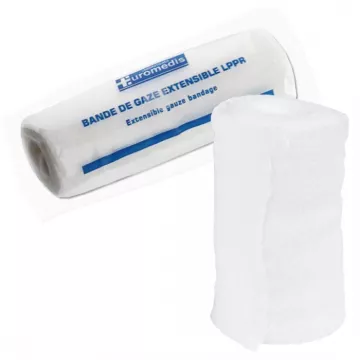
- Gauze bandage: lightweight, breathable, non-adhesive—holds a dressing in place on a clean wound—single-use for hygiene reasons—available in various widths depending on the area (finger: 2.5 cm, leg: 10 cm)
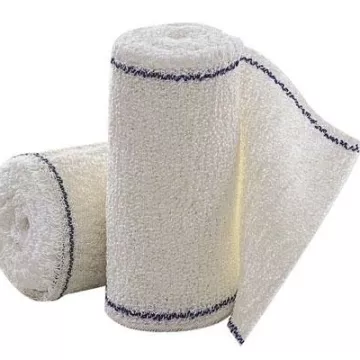
- Elastic compression bandage: stretchy—controlled compression—sprains, contusions, bruises—reusable if well maintained—see also our compression bandage page
- Triangular bandage: sling to immobilize an injured arm, collarbone, or shoulder—or a wide bandage to immobilize the lower limbs while awaiting medical care
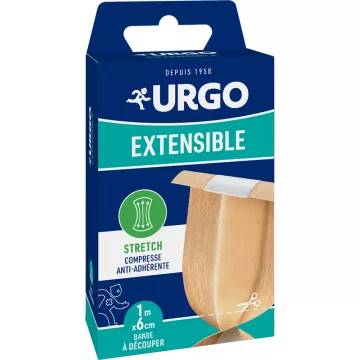
- Adhesive bandage (Fixomull, adhesive tape): secures compresses to wounds — holds dressings in place on difficult areas (elbow, knee, hand)
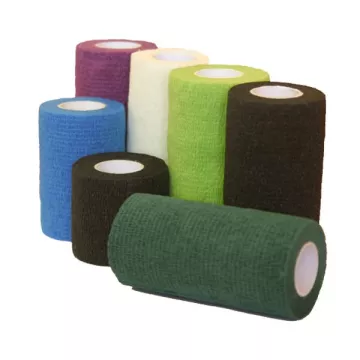
- Cohesive (self-adhesive) bandage: sticks to itself without glue—does not stick to the skin or body hair—ideal for small animals and sensitive areas on humans
How do you properly apply a bandage depending on the type of injury?
- Open wound: Clean and disinfect the wound → apply a sterile compress → secure with a gauze bandage or adhesive bandage — never apply the bandage directly to an unprotected wound
- Sprain or contusion (acute phase < 48 hours): apply an elastic compression bandage in a figure-8 pattern around the ankle or knee — compression reduces swelling — combine with cold therapy (ice for 15–20 minutes) — see our page sprain
- Bleeding: Sterile gauze pad held firmly in place + firmly applied compression bandage — never remove the gauze pad if it becomes saturated (add another layer on top) — call 15 if heavy bleeding persists
- Suspected fracture: immobilize the limb without repositioning the fragments—use a triangular bandage for upper limbs—never force a reduction—call 15 or seek emergency care
- Open fracture (visible protruding bone): cover without applying pressure, call 15 immediately — do not attempt to clean or reduce the fracture
How can you tell if a bandage is too tight, and what precautions should you take?
- Signs of a bandage that is too tight: tingling or numbness in the fingers or toes — the limb feels cold — paleness or cyanosis (bluish discoloration) — increased pain — throbbing pain under the bandage → remove immediately and reapply more loosely
- Bandage too loose: slips, no longer holds the dressing in place, loses its compressive effectiveness — check every 2–4 hours for the first 24 hours
- Frequency of changes: open wound = every 24–48 hours or as directed by a healthcare professional — if the bandage is soiled, wet, or has come loose: change immediately — inspect the wound at each change (redness, warmth, purulent discharge = infection)
- Do not get the bandage wet in the shower: cover it with plastic wrap or use a waterproof barrier — a wet bandage loses its effectiveness and promotes infection
- Postoperative care: Use specific dressings according to surgical instructions — see our postoperative care page — never make changes without medical advice
Care of reusable bandages and contents of the first-aid kit
- Reusable elastic bandages: Wash at 30°C without fabric softener—air-dry flat—replace if elasticity is lost, the bandage is misshapen, or the edges are worn
- Storage: Store in a dry, clean place, away from heat and light—check the expiration dates on sterile bandages (usually 3–5 years)
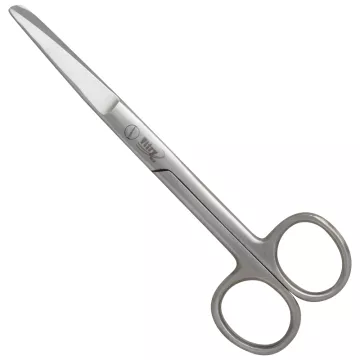
- Minimum first-aid kit: sterile gauze pads (5x5 and 10x10 cm), gauze bandages (5 and 10 cm), elastic bandage, hypoallergenic adhesive tape, scissors, and tweezers
- Topical antiseptic and local pain reliever (NSAID gel or lidocaine): useful additions to the kit for treating superficial wounds
- If you’re unsure about the severity of an injury (severe pain, deformity, deep wound): consult a doctor or go to the emergency room rather than bandaging the wound yourself